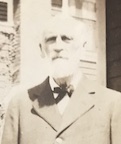
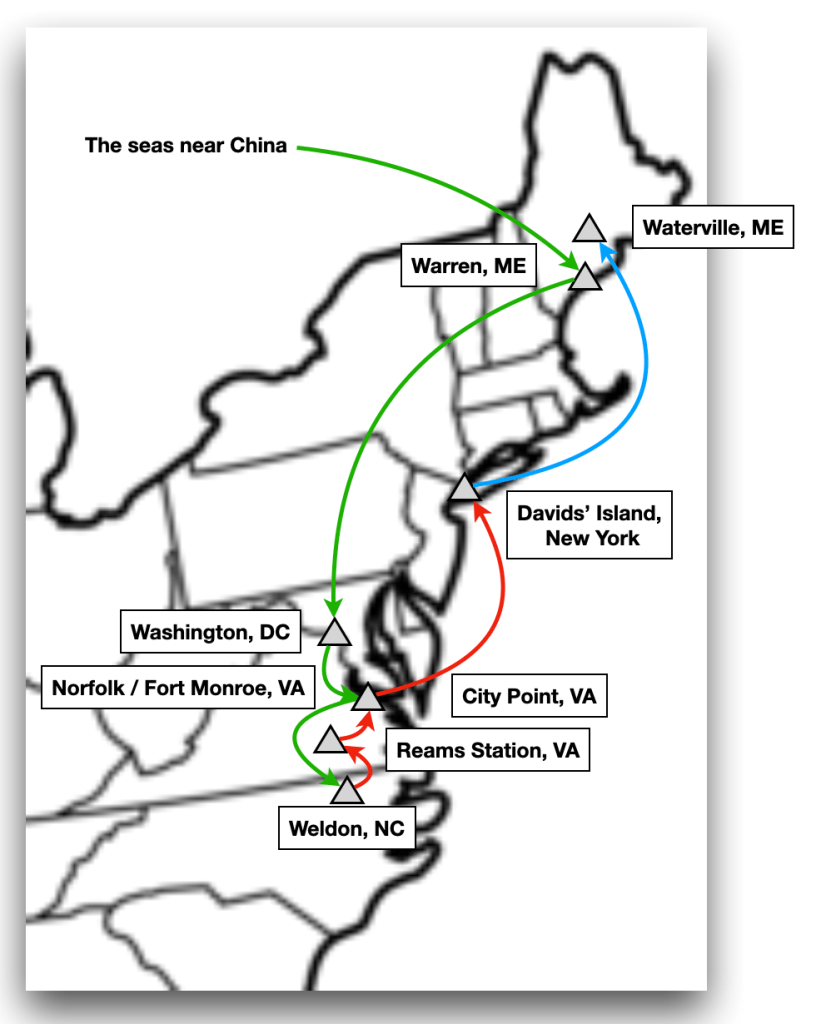
 Great grandfather Edward Thomas Sandford was 20 years old, at sea near China, when the Civil War broke out. We continue to follow his story as told by his son, our grandfather Joe Sandford, in his 1966 talk to the First Baptist Church of Corona, CA, where Edward would later preach.
His Uncle Thomas Sandford owned a fleet of Clipper Ships that sailed the Seven Seas.The opening of the Civil War in the United States found father in Chinese waters on one of these ships serving as First Officer. He was anxious to share a part in this War and became an officer on one of our Naval ships serving for one year.
Since the 1820 Missouri compromise, which resulted in statehood for Maine and Missouri on opposite sides of the slavery debate, Maine has always been proud of its anti-slavery roots. Edward would have been raised in this environment, and this may help explain his enthusiasm for joining the war.
The specific details of Edward’s return to America are unknown. He must have struck some sort of deal in a distant port to leave his uncle’s merchant ship and return serving on a Navy ship that was heading in the right direction. China was about as far from Maine as it was possible to go in 1861–from the far Pacific the trip would have taken the better part of a year, sailing either around Africa or South America.
By early 1863 Edward was back in Maine, and on March 12 at age 22 he married Sarah Spear of Warren, Maine. Sarah was 21 years old, the daughter of a farmer, the third of four children. Warren is 40 miles northeast of Topsham. Since 1851, the railroad had connected Topsham with Warren and other cities between Portland and Augusta. It seems likely, but is not clear, that Edward knew Sarah before his long first voyage to China.
It was June 1863 before Edward was able to enlist in the Army, doing so in Augusta Maine at the age of 22. Edward’s enlistment papers list Warren as his place of residence.
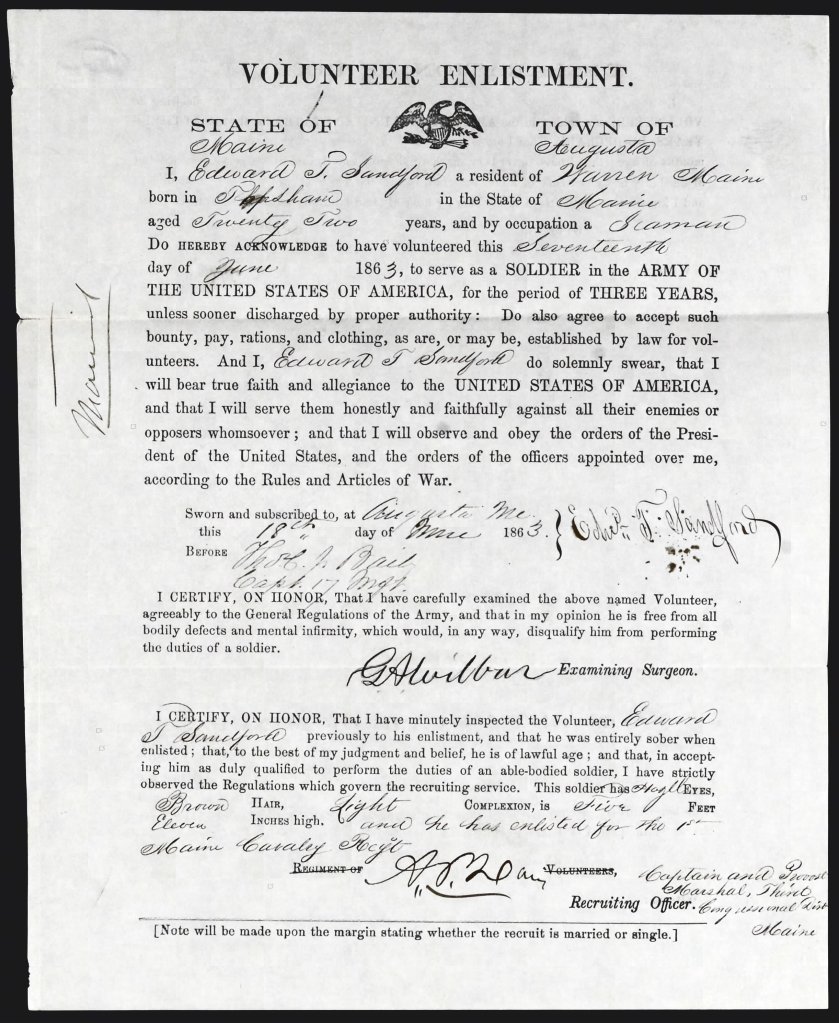
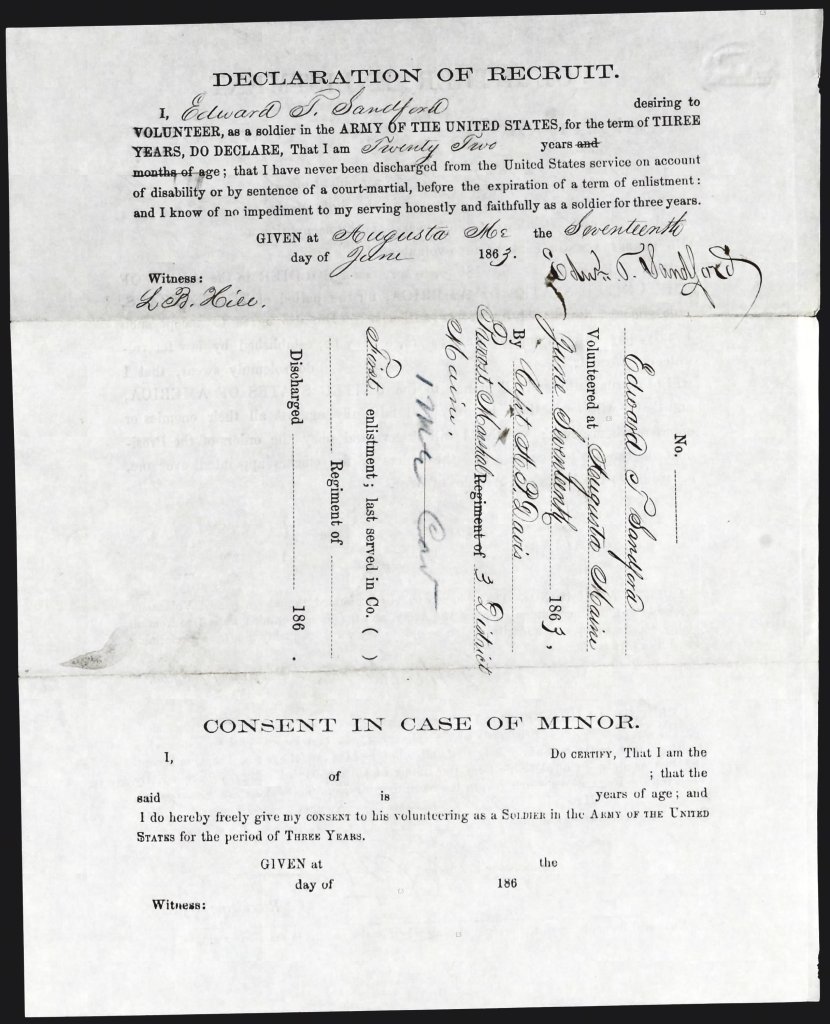
Returning to Maine he became Captain of the First Maine Cavalry. Soon his Regiment was transferred to Washington, D. C. and became the First District of Columbia Cavalry.
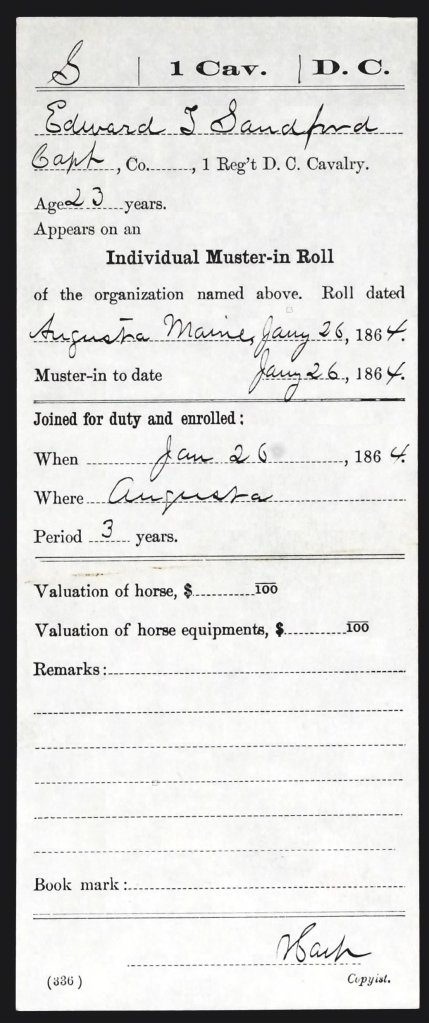
Edward and his command were ordered from Washington, DC to Norfolk, Virginia on April 6, 1864.
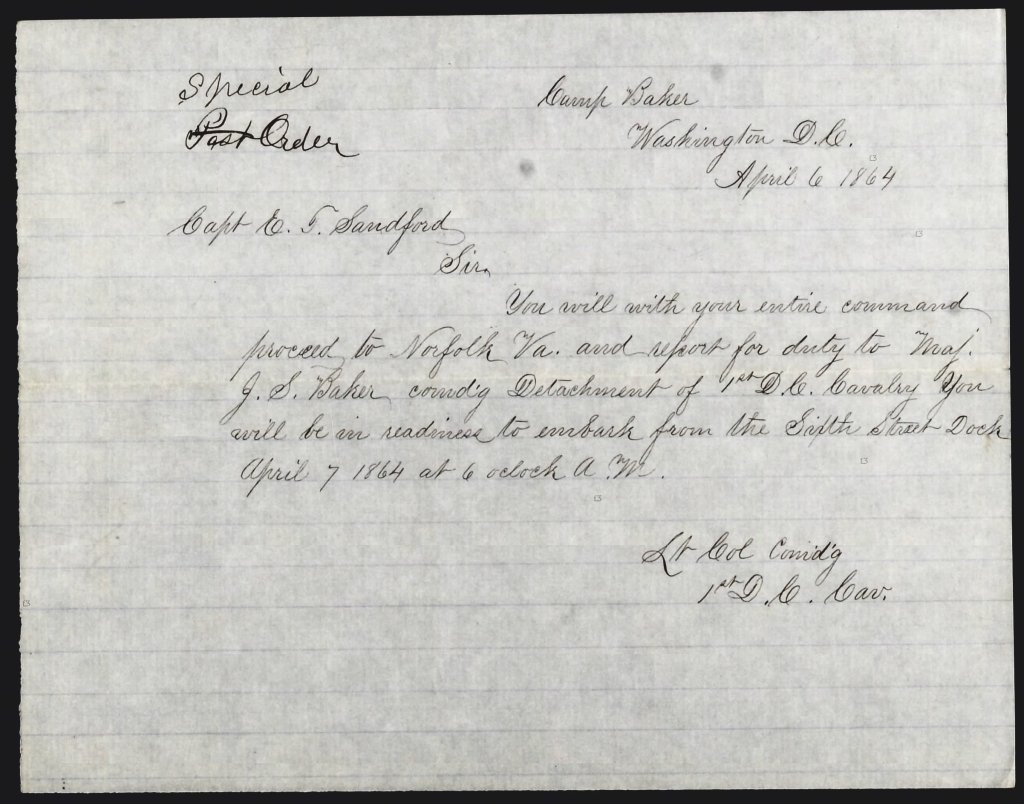
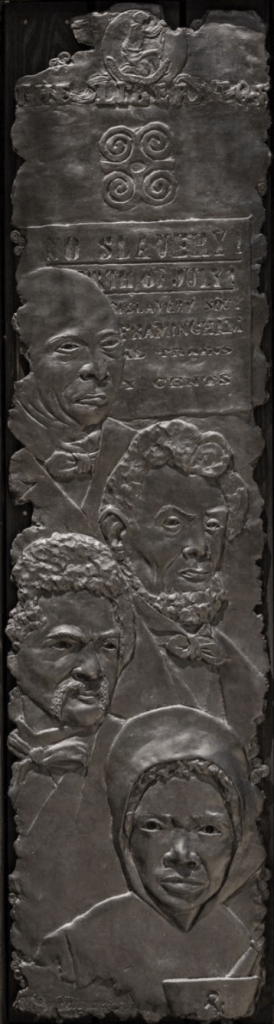
I believe the “Camp Baker” cited in the letter is really Camp Barker, located in Northeast Washington DC near what today is the trendy U Street neighborhood. The camp was originally build to house Union soldiers but later in the war was converted to house escaped and freed slaves, giving root to one of Washington’s most historic original black neighborhoods. Howard University, founded in 1867, is a few blocks away. Today, a monument to the camp stands at the entrance to the playground of nearby Garrison Elementary School.

He saw much action to the South of the Capitol (sic). We have many letters that he wrote to his wife from the battle fields and they are very personal, historic and valuable.
These letters remain the biggest missing piece in the puzzle of the Civil War story of Edward Sandford. I have no idea if they still exist–even a copy of the letters would indeed be valuable and it would be wonderful to find them. They would probably shed light on the specific actions undertaken by Edward and his command upon reaching Virginia.
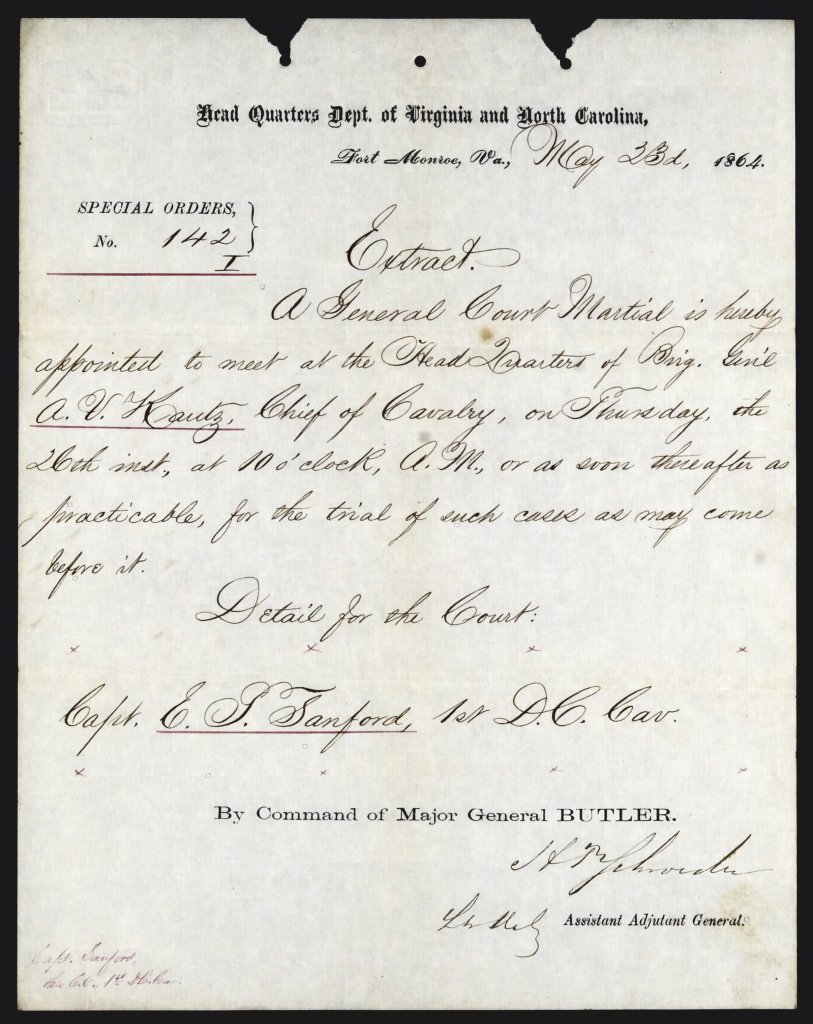
By May, 1864 Edward was in Fort Monroe, Virginia, near Norfolk. Norfolk is about 50 miles from Richmond, and there were several battles around Richmond in May–in New Market, Drewry’s Bluff, and the North Anna River.
His regiment was one of the first to use the repeating rifle. His men could fire sixteen times without reloading and his writings state that, ‘The Rebs could not understand how this was possible’.
His first hear (? sic) wound was through his coat sleeve and in letter informing his wife of the experience he mentions a fellow townsman that was yellow on the field of battle.
Another indication that Edward faced reckoning with fellow soldiers who struggled in the face of battle comes in this May 23 communication, ordering Edward back from his unit to serve on Court Martial duty…
During the Spring of 1864 his Regiment was active on the Wilson Raids into the South. On one of these two week Raids they were successful in getting through the Reb Lines and rode day and night as far South as Weldon, N. C. destroying telegraph lines, depots, bridges and rail equipment.
The Wilson Raids reference does not seem completely accurate from today’s point of view. It specifically refer to actions taking place a little farther south (Georgia and Alabama). It seems that the term “Wilson Raids” has been generalized a bit to encompass a number of actions pushing toward Atlanta, and that Edward’s involvement fits within this larger context. The burning of Atlanta took place in July 1864, perhaps 4-6 weeks after Edward’s role in the war came to an abrupt end.
They found ample food in the South and he wrote his wife that she must not believe the news reports that the South was short of such.
Returning to their base camp in the North he was shot through the groin and felled from his mount. This at Reams Station, Va.
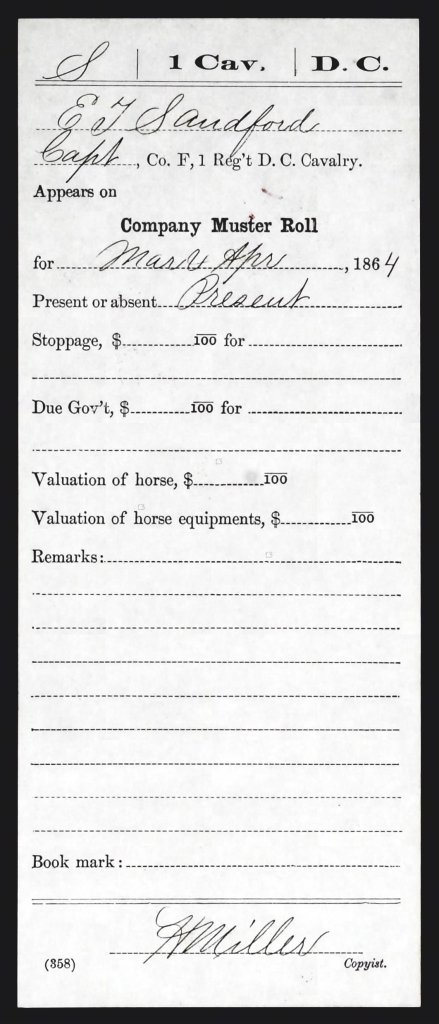
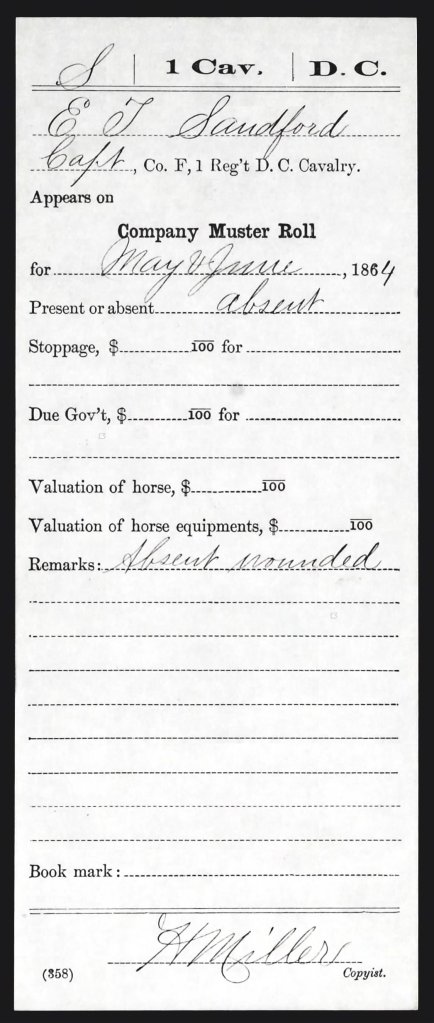
Edward’s serious wound must have taken place around mid June. The routine muster records narrow this down to May and June, and the timing of his service on the court martial would eliminate most of the month of May.
Upon regaining consciousness he crawled through the field, was able to join his Regiment. An order was received that they flee leaving all sick and wounded on the field. He ordered a horse and was assisted thereon and rode ‘Ten miles through swamps, jumping fences and reached field hospital.’
In letter written by the Christian Commissioner he states that ‘Dr. Jamison has been very kind to me doing all that he can for me’.
Leaving the field hospital he was transported to City Point and then via ship to hospital in New York City.
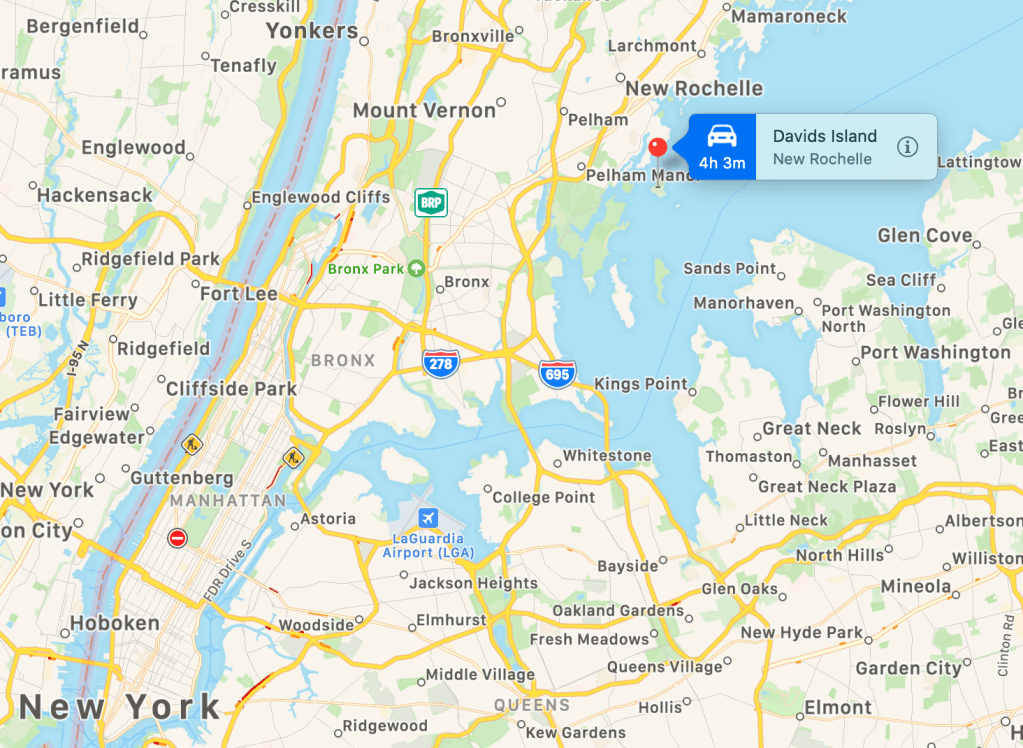
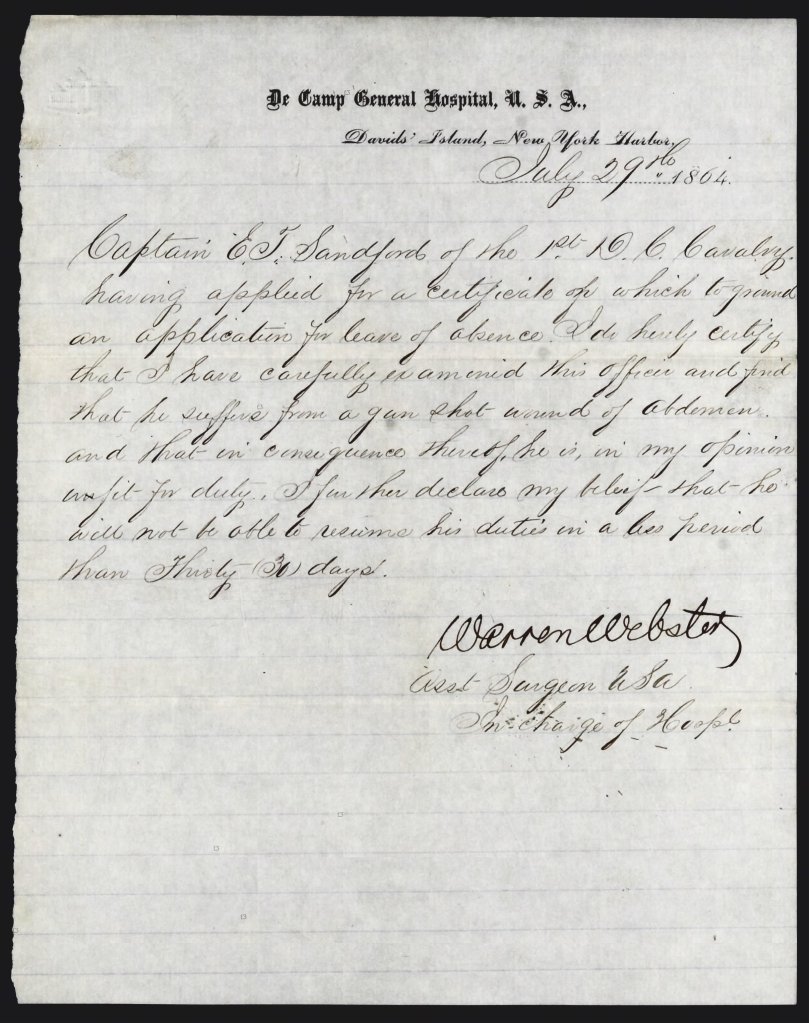
I have no documentation of Edward’s stay at the field hospital, nor his transport to New York. The trail resumes on Davids’ Island at the end of July. Davids’ Island is located at the west end of Long Island Sound, north of City Island New York, offshore from New Rochelle. During the Civil War it was the site of a hospital and POW camp. It was later a staging area for troops going to World War I. Today it is abandoned.
By late July, Edward was apparently out of the woods in terms of his health but beyond any possibility of returning to the war, so there was a period of bureaucratic exchanges formally requesting a leave of absence which would eventually result in his return to Maine.
We should note that the type of wound Edward received in 1864 would be serious by today’s standards, even without the escape by horseback. His survival is nothing short of miraculous.
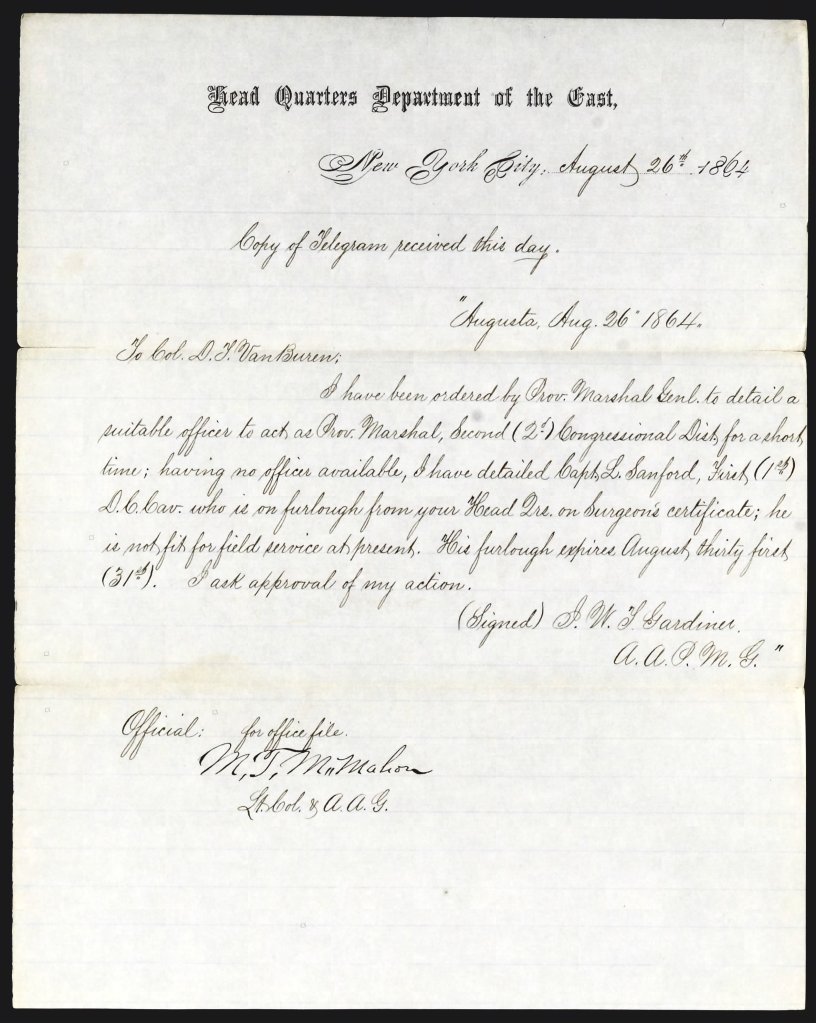
Upon recovery and while limping he was asked by the War Department to go to Waterville, Maine as Provost Marshal to straighten out a serious problem.
He accomplished this well and when completed his associates presented him with this Gold Headed Cane on Sept. 28 1864.
Joe Sandford, from his 1966 talk delivered to the First Baptist Church, Corona, CA
I believe the cane was left to Joe’s oldest grandson, Steve.
Edward was 24 years old when he returned to Maine. His son, our grandfather Joe, would not be born for another 28 years. There is much more to come in the story of Edward Sandford, including his return to China. His story will be continued in a future post.
 Bridging the Silences
8 thoughts on “Edward Thomas Sandford’s Civil War Odyssey”