Before continuing with the Hynes timeline, let’s briefly fast-forward to 1933. After living in Newburgh, Cornwall, Freeport and Brooklyn, New York, great grandparents James and Bessie Hynes moved to Middleborough, Massachusetts where, at age 49, James became the Pastor of the Central Baptist Church, a post he would hold for the next 15 years. My recent discovery of an archive of the Middleboro Gazette sheds light on this chapter of the elder Hynes family of which little was previously known. It provides new details of James’ earlier life, as well as insights to his personality. These will be helpful when we subsequently return to the 1910s to resume the Hynes family story.
James left the Bushwick Avenue Baptist church, in 1933–news accounts cited the Great Depression as the major factor responsible for the decline of the Brooklyn church. He was welcomed to his new post with a reception in Middleboro on October 4, 1933. An Oct 6 Gazette article provides details of the reception and James’ background.
Middleboro Gazette, Oct 6, 1933
We learn that James attended Crozer Theological Institute and New York University. The timeline of James’ theological education remains confusing. Crozer’s 1918 catalog listing all alumni to-date does not list James Hynes (there is no such catalog for later years that I can find). James moved from Newburgh to Cornwall in 1910 and from Cornwall to Brooklyn sometime between 1918 and 1920.
My working theory is that James bootstrapped his early career, working as a preacher and pursuing formal education gradually over time. Most or all of his time in Newburgh he worked as a clerk, so Cornwall must have been his first opportunity in the church. His time in Cornwall was perhaps mostly on-the-job training, supplemented later by formal studies. He must have attended Crozer either late in his tenure in Cornwall or soon after moving to Freeport, then continued his studies at New York University, commuting from nearby Freeport.
For me, a big remaining mystery is the question of when James decided to go into the ministry; was this something he always aspired to or something new; whether this was anywhere in sight in 1905 when he married Bessie. The many incongruities in James’ later life may all trace back to this question.
The article confirms that of the four Hynes children, only Gilbert (the youngest, then age 23) followed James and Bessie to Middleboro, the others remaining on Long Island.
In 1940 the Gazette published a photo of James, the first I have been able to find. I still don’t have a picture of Bessie.
Middleboro Gazette, Aug 9, 1940
Middleboro Gazette, Jan 4, 1935
A 1935 Gazette publication provides one of the first examples of James’ writing I have found. He was a prolific writer, as evidenced by many future, often lengthy, Gazette publications. I’m no expert on religious writing, but my assessment of this and other examples is that they are very heavy with religious language, but short on practical indications of how one might apply them in life. It is difficult to find any indications of James, the person, beyond someone preaching religion for religion’s sake. In none of James’ writings does there appear to be any cause or passion other than the church itself.
Such are the basics of James’ professional life as gleaned from the Middleboro archives. There’s more to the story of James and Bessie’s time in Middleboro, which I’ll discuss in detail when we get to that part of the timeline.
To begin with, we now have a picture of James, appearing in a book of Newburgh’s leading citizens of the day.
Biography of Dr. James Gordon of Newburgh, published in 1801
Credit for finding this picture and biography goes to a newly discovered relative, Claire, who is a second great granddaughter of James’ brother William Gordon. Claire is our fourth cousin, our shared ancestors being our third great grandparents John and Elizabeth McClughan Gordon from Northern Ireland, the parents of James and William.
I found Claire on Ancestry.com, working on the Gordon family history at the same time as me. She and her family live in northern New Zealand, near Auckland. A few years after James came to Newburgh (in 1857 at age 19) his brother William and sister Jane also left home, but they traveled to New Zealand where their branch of the family has lived ever since. Jane was four years older and William two years younger than James.
On the subject of Elizabeth’s second marriage, her first husband John (our 3rd great grandfather) died in 1842 when James was only 4 years old. Elizabeth remarried in 1856, perhaps freeing James to leave for Newburgh the following year. Elizabeth died in 1858 leaving little reason for William and Jane to remain in Northern Ireland.
Our McClughan and Gordon ancestry, with Newburgh and New Zealand branches
Amazingly, Claire has original hand-written correspondence between siblings Jane, James, and William which she is sharing with us.
We begin with a 4 page letter (the standard format of the day seems to have been a double-wide standard size lined sheet, folded over to give 4 pages of writing space) written by James to his brother on March 21, 1865. Sample photos and the full text of the letter follow.
Philadelphia Pa. March 21st 1865
Dear brother, yours of September 4th 1864 I received yesterday. It was forwarded to me by my Uncle William from Newburgh New York. I had been looking for a letter from you for the past three months. I was very much afraid that you had got wounded or killed by those savages that you are contending with. I was very much relieved however when I received your letter yesterday and learned that not only you but also Jane, John and all the children were enjoying good health. I have not been to Newburgh now for three months and I have not heard from my uncle Alexander McClughan or any of the Ash Tree folks in five or six months. I think your news from that quarter is the latest. I have not written to my Uncle Alexander now in two years or nearly so.
My Uncle William does not write more than once a year. I can’t say why he don’t write oftener, it seems to be through neglect. Samuel and Alexander Burrows are still living in Newburgh and keeping store. They never write to James Burrows nor he to them. Joseph Burrows lives in New York City and is learning to be a tanner or leather dresser. He gets letters from home occasionally and I get the news from him, but I have not seen him now in three months or over. James McClughan lived with my Uncle William after he moved out into the country but they could not get along together so he left about five or six months ago, and they have not heard from him since. When he left he intended going to his Uncle in Ohio, but Joseph Burrows informed me in a letter that I got from him some three or four months ago that he had received a letter from John Harrison at Pittsburgh Pa. and in that letter he said that James McClughan was at Pittsburgh and had lived with a gentleman there to take care of his horses, drive his carriage, etc. That is the last I have heard of him.
The Harrisons I suppose you know are all in Pittsburgh living and I understand that they are doing well. It is over 400 miles from here to Pittsburgh and costs $10 dollars to go there. I would like to go and see them but my expenses are so great that I cannot afford it. My board here costs me a dollar a day, every clothing costs three times as much as the used to cost, all owing to the war, and there is no telling when it will be ended. They are now having another draft to get more men. My first college course ended ten days ago. I now propose(?) leaving this city in a few days and going into the country where I can live cheaper.
I want to continue my studies and not waste any time so that I may graduate a year from this time, but if they should draft me and I have to go to war it would upset all my calculations. My Uncle William, Aunt May and children are all in good health. My Aunt Mary was co…ed(?) about a month ago and had a young daughter. Jane Burrows is living out now I believe as seamstress or something of that sort. James Mahood, Ellen and family are living on their farm joining my uncle William. Sarah you are aware got married to a Mr. Wallace, a book-keeper. Elizabeth now makes her home with them. Your are aware her husband is dead. They live at New Lebanon, New York and are all in good health. I had a letter from Mr. Wallace a few days ago. I intend when I leave here to go to New Jersey and spend this spring and summer studying with a young man who also wants to graduate next winter and with whom I am well acquainted. We will study under a Dr. and get along much better than one person would by himself. Our next course will begin the first of October 1865 and continue for five months. Dear brother in your next letter I would like to know what you and Jane think about that £90, that my Uncle and Rev. McKerr wrote to me about some time ago. Do you think that my Uncle ever was paid that by Samuel Bennett or do you think that we should have paid it?
If my mother had written a will before her death, what do you think she would have done with what title money she had? Do you suppose she would have disposed of it? As far as I am concerned, I would like to do what would be right and just if it took every cent I had. I presume it would take nearly all I have got to carry me through my studies, but still if I fined that it is my duty to pay £30, £90, or even twice that amount I would rather work and pay it back than feel that I had not done what was right and what was my duty. I just want to know what Jane and you think about the whole matter. Please write me oftener in the future and give me a description of the country and people, etc, etc, also matters of interest, and I will be prompt in answering your letters. Also I will send you a New York paper occasionally and you will see the war news. I hope that these few lines will find you Jane and all others enjoying good health. I would like you to have your picture taken and send me when John sends his, Jane’s and the children’s.
Your next letter you may address as usual care William McClughan, Newburgh, New York, U.S. America. When I get through I should like to go out to New Zealand and see the country and I might as well be there as here. I think it must be a very healthy climate. What is the general products of the country? Are they different from that of Ireland? How are the people with regard to education? Are they as well educated as in the old country or better? Write me soon with love to all. I remain as ever your affectional brother, James Gordon.
James Gordon letter to his brother William in New Zealand, March 21, 1865
There is so much to unpack from this letter.
To begin, it tells us that James Gordon was not the first of his family to settle in Newburgh from Northern Ireland in the 19th century, rather, he followed his uncle William McClughan there. It was common for family members to follow others to places where they were already established. Searches of Newburgh directories show that there was indeed a McClughan family living in Newburgh in parallel with the Gordon family. William McClughan (1812-1890) was a brother of Elizabeth McClughan. He had a son, William George McClughan (1864-1952), James’ cousin, although James was much older—William George McClughan would have been 1 year old when James wrote the letter to his brother William Gordon. William George McClughan appears to have lived his entire life in Newburgh.
Our second great aunt Addie Gordon (Bessie’s sister) also lived in Newburgh her entire life (1877-1972) so surely knew she had McClughan cousins living nearby. I asked mom, who remembers visiting family in Newburgh in the late 1930s, whether she remembers anything about the name McClughan or the presence of other cousins, but so far she does not.
The letter also provides information on James’ movements and education during the 1860s, consistent with the published biography. He originally established himself in Newburgh with his uncle, but he moved all around New Jersey between Newburgh and Philadelphia (where he got his medical training), studying and teaching school. He used his uncle in Newburgh as his mailing address, which is reasonable considering that letters between the United States, Northern Ireland and New Zealand took months to arrive, with James’ movements from semester to semester being uncertain.
With this information, it makes sense to revise my earlier ideas on how James met his wife Nettie (Jeanette) Johnston. He must have met her near her home in northern New Jersey when he was studying or teaching nearby. Recall that James and Nettie were married in 1872, just before they moved permanently to Newburgh and started their family.
James’ letter to William also reflects the difficulties of life during the Civil War, although distant from the fighting.
James’ reference in the closing lines of the letter to the well-educated people of his homeland is interesting. James came from an educated background, despite being raised by a single mother in a place and time where life was difficult. This is surprising, defying stereotypes of desperate Irish immigrants. It also helps to explain how James so successfully established himself in the United States as a prominent physician and citizen.
And I love that there was some kind of family squabble over £90 that somebody might have owed somebody, and that James somehow felt guilty about it.
I’ve found some direct writings from our great grandparents, but I think this letter is the first example of writing from any second great grandparent or earlier. I’m sure our ancestors would be happy to know that their family communications half way around the world are still being shared 155 years later. Many thanks to Claire for providing this.
She has already sent another similar letter and is promising to share other information which I will pass on.
After completing his studies in 1870 at Crozer Theological Seminary in Upland, Pennsylvania, great grandfather Edward Thomas Sandford began his lifelong career as a Baptist minister. The record shows that he preached in Jefferson Maine, a very small town 15 miles west of his home in Warren Maine, between 1872 and 1875, and that he was formally ordained on January 15, 1873, at age 32. He resigned from the Jefferson post in October 1874, probably looking for greater responsibility and a step-up from his starter post.
Edward and Sarah moved to Saint Johnsbury, Vermont, where he became the pastor of the Baptist church for the next 15 years.
In Vermont in the 1870s and 1880s, there were not many ministers with life experiences matching those of Reverend Edward Sandford. Surviving wounded veterans were not uncommon at the time, nor were sailors with travel tales from around the world. Former U.S. envoys to China were pretty rare. With experiences in all three, Edward was uniquely qualified to counsel his parishioners on how the world worked.
Local newspaper records from the 1870s and 1880s provide good accounts of Edward’s life and service in Saint Johnsbury.
A few newspaper entries provide excerpts from Edward’s sermons, giving insights into his beliefs and priorities. An 1887 Thanksgiving sermon showcases Edward’s extraordinary awareness of the place of the United States on the world stage, tying together his diplomatic and theological experience.
Saint Johnsbury Republican, Dec 1, 1887. This Thanksgiving sermon demonstrates Edward’s extraordinary awareness of the place of the United States on the world stage, tying together his diplomatic and theological experience.
Edward was keenly interested in supporting the town’s youth, probably harking back to his own youth and the loss of his mother at age 7. He was an active supporter of the local YMCA (an organization that grew out of the teachings and activities of the Baptist church). An excerpt from an 1883 sermon reflects Edward’s interest in guiding the youth of the community.
St. Johnsbury Caledonian, November 16, 1883. Edward’s support for the development of the town’s youth is evident throughout his teachings and career. Note the references to foreign missionaries as well as the nautical references.
Edward stood up for his principles. Beginning in 1884, he was a founding member of the Saint Johnsbury Citizens Law and Order League, who’s mission was “to secure by all proper means the enforcement of the existing laws related to the illegal use and sale of intoxicating liquors, and the proper observance of other laws looking to the moral welfare of the the community, and to aid the officers of the law in the performance of their duties in relation thereto.”
Edward’s history in the Civil War and in China are evident in his work in Saint Johnsbury. As a surviving wounded veteran of the war, he was active with local efforts to commemorate the actions of his fellow veterans. He was a regular at town Memorial Day observances, and played an active role in the local chapter of the Grand Army of the Republic, a Civil War veteran’s fraternal organization. As a minister, he generally served as chaplain in these events and organizations.
Memorial Day observances described in the Saint Johnsbury Caledonian, June 2, 1882St. Johnsbury Caledonian, June 4, 1885. Edward was active in organizations supporting and honoring Civil War veterans.
Edward’s life in Saint Johnsbury was not limited to the ministry. He also served as the Superintendent of Schools for many years. Newspaper accounts indicate that this was no small task, and that he took this second job very seriously. Several newspaper accounts describe his responsibilities as well as the respect he earned in this position.
St. Johnsbury Caledonian, Feb 28, 1884. The Saint Johnsbury school system was not as small as one might guess.
St. Johnsbury Caledonian, March 3, 1887. Edward knew how to negotiate.
St. Johnsbury Republican, Sept 3, 1885. Edward was a revered figure in the town.
Edward’s experiences from his trips to Asia played a role in his work in St. Johnsbury. He regularly gave lectures on these experiences to townspeople and parishioners.
St. Johnsbury Caledonian, Dec 20 1878
St. Johnsbury Caledonian, April 26,1888. Edward shared his past experiences in Asia frequently with his parishioners and fellow townspeople.
Professionally, Edward’s years in Saint Johnsbury were perhaps his most significant and fulfilling. It is clear that Edward was ambitious and not afraid to keep pushing for what he wanted and believed-in, each major transition in his life being a case in point. In Siam, he improvised a deal with another boat to take him back to the United States as quickly as possible so he could fight in the Civil War. He told William Seward exactly how he felt about some of the things going on in the foreign service, eventually resigning from his post to pursue his greater calling as a minister. In Saint Johnsbury he worked tirelessly at multiple jobs, becoming a revered figure in the town’s church and political life.
Yet, for all his demonstrated passion for support of the town’s youth, Edward still does not have any children of his own. This, of course, will change in the next chapter of Edward’s story as his tenure in Saint Johnsbury draws to a close and he embarks on the next chapters of his life, initiating the most important personal transitions of his existence. Much more to come.
In Washington DCʼs Judiciary Square, about eight blocks from the U.S. Capitol, the National Law Enforcement Officers Memorial bears the names of tens of thousands of police officers who have lost their lives across the country since the late 19th century. The names of our great grandfather George Sechler and his fellow New York City Police officer Alfred Selleck are engraved in the memorial.
The National Law Enforcement Officers Memorial in Washington, D.C…
…fills a city block and lists the names of slain officers nationwide…
…including George M. Sechler. Alfred Selleck’s name appears in a separate section of the memorial.
A similar monument on the banks of the Hudson River, two blocks from the World Trade Center in New York City, commemorates all slain New York City police officers and lists Sechler and Selleck together. This monument pre-dates, and survived, the 9/11 attack.
Two blocks from the World Trade Center in lower Manhattan…
…a monument to all slain New York City police officers…..list the names of George Sechler and Alfred Selleck…
…together in the middle of the third row from the top.
Great grandfather Edward Thomas Sandford served as United States Consul to CheeFoo China for more than three years, beginning March, 1865. In the Spring of 1868, Edward was granted a leave-of-absence from the post due to the bad health of his wife, Sarah. He officially notified William Seward of his plans in a letter dated May 21, 1868.
May 21, 1868 letter from Edward to William Seward explaining that he had been granted a leave of absence (by his boss, the U.S. Chargé d’Affaires in China) due to the poor health of his wife. Samuel A Holmes was named acting Consul in Sandford’s absence
This may have been the same illness that nearly prevented Edward from accepting the Consul post in the first place, back in 1865. Sarah’s health was an issue throughout their married life.
Edward remained in China at least through May, 1868. On May 21 he wrote two more letters to Seward from CheeFoo explaining that Mr. Holmes had assumed responsibility for the post, and tying up loose ends.
Edward subsequently returned home to Warren, Maine. On March 29, 1869 he requested an extension of his leave-of-absence. His final resignation letter, reiterating his need to attend to his wife’s ill health, was written in Warren, Maine and dated July 31, 1869.
Final resignation letter, including recommendation that Samuel Holmes be his permanent replacement.
William Seward resigned his post as Secretary of State at the end of the term of President Andrew Johnson, who failed to be renominated by the Democratic Party in 1868. The new President, Republican Ulysses Grant, had no interest in retaining anything from the Johnson administration, including Seward (even though Seward endorsed Grant’s candidacy). Thus, Edward Sandford’s letter of resignation was addressed to his new boss, Grant’s Secretary of State Hamilton Fish, a former Governor of New York. (There was one other Secretary of State between Seward and Fish–Elihu Washburne held the post for 11 days in March 1869–if there were correspondence between Sandford and Washburne, it would be a true collector’s item.)
It seems likely that Sarah’s illness was not the only reason for Edward’s decision to resign his post. Recall that we saw hints of Edward’s restlessness in his letter to Seward after the U.S.S. General Sherman incident, in which he openly criticized some of his peers in the diplomatic missions in the orient. The letter also expressed his admiration for ministers who had performed missionary work in China, case in point his references to Dr. McGowan.
Our grandfather Joseph Sandford summarized his understanding of his father’s desire to leave his diplomatic post and enter the Baptist Ministry succinctly as follows:
He enjoyed this Service (the diplomatic service) and became very interested in the Chinese people deciding to become a Missionary upon completion of this Duty.
Crozer Theological Seminary of Upland, Pa. was his school.
Joe Sandford, from his 1966 talk about his father, delivered to the First Baptist Church, Corona, CA
Upland Pennsylvania is 10 miles southwest of Philadelphia, next to Chester. The seminary served as an American Baptist Church school, training seminarians for entry into the Baptist ministry from 1869 to 1970. Edward attended in 1869 and 1870, so must have been one of the the Seminary’s first students. Martin Luther King, Jr. was a student at Crozer from 1948 to 1951, earning his Bachelor of Divinity degree there.
Edward must have started his studies at the Seminary in the Fall semester, a month or so after sending his resignation to the Secretary of state. So he must already have had confirmed plans when he sent the letter.
A Crozer alumni catalog, published in 1918, documents Edward’s attendance at the seminary.
Catalog of alumni of Crozer Theological Seminary, Upland PA, published in 1918 listing Edward Sandford as student 1869-1870.
It is not clear how Edward managed two years’ attendance at a school that was probably two days’ travel from his home in Warren, Maine. It was two more years away from home, following a year away in the Civil War and more than three years in China, away from a wife in ill-health–it must have been a difficult commitment for Edward and Sarah to agree on.
The 1870 Census documents Edward and Sarah living in Warren, with Edward (now 29 years old) listed as a “Theological Student”.
1870 Census showing Edward residing with Sarah in Warren, Maine, with Edward listed as a Theological Student
Edward was 30 years old when he graduated from Crozer. He would remain a Baptist Minister for the rest of his life, having already distinguished himself as a sailor, war hero, and international diplomat. He had found his calling, but his life was still just getting started, with many accomplishments and travels ahead of him.
By 1903, our great grandparents Henry and Mabel Tuttle Swan had permanently moved from Mankato, Minnesota to Ontario, California. Henry was 40 years old, Mabel 37. Their daughter Margaret, our grandmother, was 8.
The population of Ontario, the Model Colony, grew from around 700 in 1900 to over 4,000 by 1910 and 8,000 by the early 1920s, its economy fueled by a combination of agriculture (made possible by the recent introduction of irrigation systems bringing water from the mountains to the north) and commerce (driven by people looking for the culture and comforts of city life but removed from the growing urban environment of Los Angeles, 35 miles to the west).
The Swans followed Mabel’s parents, Burton and Jane Tuttle, to Ontario, they having moved there from Minnesota a decade earlier. In 1910, according to the U.S. Census, Burton and Jane lived at 515 N. Vine Avenue, the site of Burton’s orange grove. In 1910 the Swans lived two blocks away, at 404 West D Street.
After Burton and Jane died, within weeks of each other in October 1911, the Swan family moved into the 515 N. Vine Avenue home. They built at least two more houses adjacent to that one. In 1920 they moved into the house at 501 N. Vine Ave which would become the Sandford homestead for the next 70 years. A third home at 509 (the “Finsterbach” house, as we knew it), between the other two, would be the house where our grandparents would live when they were first married. The land and the orange grove, thus, would be handed down via daughters from the Tuttles to the Swans to Sandfords.
The orchard that we knew, remaining on the family property in the 1960s, was about one city block in size; the orchard of the 1910s, before parcels of land on the perimeter were sold off for building homes, was perhaps twice that size.
Commentary from the Los Angeles Times, April 12, 1914, establishing that the Swan family lived in the home at 515 N. Vine Ave (formerly inhabited by Burton and Jane Tuttle) at that time. (The following paragraph referencing a Mrs. Price is the next item in the ongoing commentary and is unrelated to the Swans.)
According to the Los Angeles Times, May 23, 1920, the home at 501 N. Vine Ave had been recently built and occupied by the Swan family at that time.
Henry Swan was a banker. Directory listings from Mankato show him moving up the ladder at the National Citizen’s Bank, listing him as an assistant cashier in 1900 and a cashier in 1902. In Ontario, he became a banking pioneer, as described in the words of his son-in-law, Joe Sandford.
Margaret’s father was a pioneer banker here, as I mentioned. He had to do with the developing of the First National Bank of Ontario. He pioneered at the First National Bank of Upland, which is now the Crocker Bank. He used to operate the two banks, and the day came—there’s always a little jealousy in two communities: Ontario-Upland, Ontario-Pomona. He decided that it would be better if they brought in someone else to operate the Upland Bank, which he did. He brought in a very fine man who was a success. Then he continued to operate here. The Chaffeys were tied in to the development of these two banks. George Chaffey and then the son, and other men. The men in those days backed up the people and supported the people and tried to assist them in finding what was best: production of the navel orange, the Valencia orange, lemon, the citrus trees, the deciduous trees and all farming activities. We sense a loss of some of that today. Bankers are out to make money, and they don’t have a deep interest and pride. There was more of that deep interest on his part.
Joe Sandford, 1973 Living History Interview
We will see in future posts that Joe inherited a great deal of his father-in-law’s traits and sensitivities as a banker who supported his clients with a deep interest and pride.
In his banking career, Henry specialized in development of the local citrus industry. He was highly respected as a businessman who would go the extra mile to find ways to support the local farmers and to treat them fairly. He would later be remembered as someone who sometimes went too far in taking on the problems of other people. His personal ownership of a small citrus orchard at his home certainly contributed to his interest and understanding of the challenges faced by the full time growers. At various times, Henry served on board of directors of the California Fruit Growers’ Exchange, was President of the Citrus Fruit Association of Ontario, and President of the Ontario Cucamonga Fruit Exchange.
A 2007 pamphlet on the history of the Ontario Citrus industry lists Swan among the pioneers of the industry.
This 2007 historical pamphlet describing the history of the Ontario citrus industry lists Swan as one of the pioneers of the industry (midway down on page 13).
The Swan family was certainly among the town’s prosperous elite of the era. A 1910 photograph, preserved in the Model Colony History room at the Ontario City Library shows Henry with his Maxwell automobile, of which there could not have been many in Ontario at the time.
Photograph from Ontario Model Colony History Room (photo donated in 2005 by Isabel Neales) captioned “H. E. Swan shows guest view from San Jose Hill (Maxwell car)”, dated 1910. The San Jose hills are the ones between Ontario and Los Angeles near Covina.
Mabel was a socialite who made regular appearances in the society pages of the Los Angeles Times and San Bernadino Sun. She would be remembered as an active supporter of the Red Cross, the Ontario Women’s Club, the San Antonio Hospital Auxiliary, and the Westminster Presbyterian Church. Mabel and Henry threw their share of social events in the area.
San Bernadino Sun, June 5, 1910
San Bernadino Sun, May 19, 1911
San Bernadino Sun, May 20, 1910. Note the reference to the name Neales, the same family as the donor of the previous photograph of Henry Swan with his automobile.San Bernadino Sun, Jan 7, 1920
Daughter Margaret grew up in this privileged environment. She graduated from Chaffey Union High School in 1913…
Our grandmother Margaret graduated from Chaffey Union High School in 1913. They don’t make yearbooks like this anymore.
…and attended the Cumnock School of Expression in Los Angeles. LA is thirty miles away, although today a commute would require more than an hour. In the 1910s perhaps less She followed in the footsteps of Martha Graham.
After High School, Margaret attended the Cumnock School of Expression, a progressive finishing school in Los Angeles. The school boasts Martha Graham as one of its prior alumni.
We can see that through the early 1920s, Henry Swan’s wealth and privilege were built on a foundation of service to, and high esteem from, the community he served. He worked very hard throughout his life. His fine reputation was well-earned, and there are many indications that the community understood the heavy burdens he took upon himself in balancing his responsibilities as a businessman with his drive to help his customers. A 1921 tribute to Swan recognizes some of these things about him.
A tribute to Henry Swan, published October 22, 1921, when he was 58 years old. This clipping was found in the Model Colony History Room, so it was probably clipped, saved, and donated by the family.
The story of the Swan family will continue with the arrival of the Sandford family in Ontario in the mid 1910s, and with the increasing burdens faced by Henry Swan in the 1920s.
Information on both families’ lives in Newburgh comes from birth records, census records, and Newburgh City Directories. Using this information we can trace their movements around the city for a century between the 1860s and the 1970s:
Movements of the Hynes and Gordon Families in Newburgh, New York
Bessie’s father, Dr. James Gordon, immigrated from Northern Ireland in 1857 at age 19. The first record of him in Newburgh comes from the 1860 census. The 1870 census shows him living alone in Newburgh, already working as a physician. Records of James in the Newburgh City Directories begin in 1871 (living at 54 South Street), 1872 (64 First Street), and 1875 (138 Liberty Street). It is not known how he and Jeanette Johnston met although it seems most likely that, when she came of age, she came to Newburgh from rural New Jersey (about 50 miles distant) to find work and met Dr. Gordon there. The two of them would have traveled back to her home in New Jersey to be married in 1872 before starting their lives together in Newburgh.
Bessie was the oldest of 4 children. The others were Edward (b.1875) (a physician like his father), Adaline (“Addie”, b.1877), and Jennie (b.1884). The 1880 census shows James, Jeanette, Bessie, Edward and Addie living at the family home at 182 Liberty Street. This would be the family home for the next 80 years.
The 1880 Census shows the Gordon family living at their homestead at 182 Liberty Street in Newburgh. Jennie was not yet born.The Gordon homestead at 182 Liberty Street as it appears today. This was the Gordon family home for 80 years.
By the 1900 Census, Bessie (age 27) was a schoolteacher and Edward (age 25) a physician. By 1903, Edward had moved out of the family home.
1903 Newburgh City Directory entry for the Gordon family. Addie is listed first in the alphabetical listing. 30 year-old Bessie is a school teacher. Edward no longer lives at home. (Anne Gordon is unrelated to our family.)
The only known records of the Hynes family’s immigration to the United States are from United States Census records. The 1900, 1910, 1920, and 1930 censuses each show a different immigration year, so there is uncertainty, but I believe 1895, as reported in the 1900 census, seems the most credible.
James Louis Hynes was the oldest of 5 children, all born in Newfoundland to parents Matthew and Hannah Cobb Hynes. The others were Gilbert (b.1886), John (b.1888), Blanche (b.1891) and Philip Charles (b.1892), all born in Little Bay. Philip Charles does not appear with the family in the 1900 census, so it is likely that he died as a young child, before the family left Newfoundland.
The 1900 census lists Matthew Hynes’ occupation as Ship’s Carpenter, as does the 1900 Newburgh City Directory and all future records. The family lived at 24 Edward Street in downtown Newburgh. James Louis (who was 16) is listed as an employee working at 92 Water Street, six blocks from home.
The Hynes family listed in the 1900 Census, living at 24 Edward Street in Newburgh.
By 1902, the family is still living on Edward Street, 18 year old James is listed as an employee at the “Register Office”.
By 1904 the family had moved to 25 Benkard Lane, a couple of blocks away from the previous home. James (age 20) still works at 92 Water Street, and John (age 16) is listed as a clerk.
James and Bessie were married on September 6, 1905. The two family homes at 25 Benkard Lane and 182 Liberty Street were eight blocks apart. Much about their marriage lies in the range between “disturbing” and “horrifying”. At the time of the marriage James was 21 and Bessie 32–it’s difficult to imagine what scenario in 1905 would attract a 32 year old schoolteacher to a man 11 years younger from a family well-below hers in social standing. Their first child, Eleanor, was born March 17, 1906, six months later–it seems their marriage was not entirely optional and/or voluntary. And given the serious transgressions that would occur later in James’ life, it is not unreasonable to wonder if James’ initial relationship with Bessie was consensual.
Eleanor was born not in Newburgh but in Watertown NY, near the Canadian border 200 miles away from Newburgh. The first publication of the 1905 Newburgh City Directory shows the family living at 25 Benkard Ave. The second publication indicates James Louis “removed to Watertown” and brother John “removed to Brooklyn”, and father Matthew Hynes deceased. The family fell apart quickly. James and Bessie may have gone to Watertown to escape whatever scandal surrounded them in Newburgh.
Hynes listing in 1905 Newburgh City Directory before the marriage of James and Bessie…
…and after the marriage. James’ father Matthew died 1 month after the marriage. (Charles L. Hynes is not thought to be related to our family.)
In October 1905, father Matthew Hynes died in New Haven Connecticut. It is not clear what he was doing there–records show him living in Newburgh within a half year of his death. James was executor of the estate, the settlement of which was not beneficial. The estate papers show that a $190 estate was balanced with a $200 expense or fine, plus James’ travel expenses from Watertown. James’ mother and three living siblings are listed on the paperwork.
Matthew Hynes estate was settled in New Haven, Connecticut after his death in October 1905,
By 1907 James and Bessie were back in Newburgh, where their last three children were born. They were (our grandfather) James Gordon (b.1907), Eleanor (b.1909), and Gilbert (b.1910). The 1908 Newburgh City Directory shows the family living at 45 Carpenter Ave, Newburgh. There are no other Hynes listings in Newburgh at this time. The 1910 Census shows the family still at 45 Carpenter Ave, this just before the birth of their last son Albert. The 1910 Newburgh City Directory shows James Louis Hynes “removed to Cornwall” (NY).
1910 Census showing the Hynes family living in Newburgh, the last year before they would move to Cornwall, NY.. Son Gilbert would be born later that year. The last entry is for a boarder living in their home.
The 1910 Census shows Matthew’s wife, Hannah Cobb Hynes and daughter, Blanche living at 819 40th Street in Brooklyn. Hannah lived until 1950 (83 years old)–she died on Barr’d Island, Newfoundland, so she must have returned there after her husband’s death. Perhaps Blanche went with her. I have no information on the year or place of Blanche’s death.
1910 Census showing Hannah Cobb Hynes and daughter Blanche living in Brooklyn, five years after the death of Hannah’s husband Matthew.
Dr. James Gordon, Bessie’s father, died in 1912 in Newburgh. His wife, Jeanette and daughters, Addie and Jennie continued to live in the house at 182 Liberty Street. His son, Dr. Edward Gordon, moved away from Newburgh around the time his father died.
Although James Louis and family left Newburgh in 1910, they continued to be linked to Newburgh and the Gordon family in shocking ways in the years to follow. We will continue this story in a future post.
In the aftermath of the murders of our great grandfather George Sechler and Alfred Selleck, the trial of Salvatore Governale proceeded at lightning speed by today’s standards. The indictment was dated Monday, April 29, 1907, two weeks and one day after the murders. The trial in a Manhattan courtroom began a week later on Tuesday, June 4 and concluded late in the day on Tuesday, June 11.
Records of the appeal of Governale’s first degree murder conviction remain available today in an e-document that can be found with a simple internet search. The majority of the document is the complete transcript of the original trial.
Cover of the book of New York Appeals Court records containing the trial and appeal of Salvatore Governale for the murder of George Sechler.
The documentation of the appeal contains information on all phases of the trial, including a full transcript of the trial
In this jury trial, New York Assistant District Attorney Arthur C. Train, Esq. argued for the people (prosecution) and Thomas C. Whitlock, Esq. for the defense. The judge was the Hon. Otto A. Rosalsky. The trial was specifically for the murder of George Sechler–presumably to allow for another trial for the murder of Alfred Selleck if the first case had been unsuccessful for some reason. George’s case was probably selected to go first because he had a wife and young baby, therefore it was the case that elicited the most public sympathy and outrage.
The trial transcript provides insights and information about the specific events of April 14, 1907 which were not available or clear in the press, or which the press got wrong. I will repeat the story of that day, with corrections included.
Sunday April 14, 1907 was a beautiful early spring day in Washington Square Park in lower Manhattan, the park with the iconic grand arch. Hundreds of families were enjoying the last hours of their weekend. Around 5:45 (45 minutes before sunset), an altercation arose between 25 year old Salvatore Governale and 19 year old Charles Vincenzo, each man accompanied by his brother. What began as a minor jostle in a public restroom quickly spiraled to a major altercation. Outside the restroom, Governale pulled a gun and began firing. Two shots went into the air, but a third shot hit Vincenzo in the leg. (Although some early reports indicated that Vincenzo was killed, he survived although he was crippled by the injury. He would testify at the trial as a witness for the prosecution.)
New York Police Detective Sergeant John Fogarty was a key participant in the events of April 14 and during the trial. When the first shots were fired in the park, he was just north of the park on 5th Avenue, and came running. He, with others in the crowd, chased Governale south onto Thompson Street, keeping Governale in sight until he turned into the tenement apartment building entrance at 230. His continuous account of the path taken by Governale was important to the prosecution’s case. Governale’s brother fled north and was not involved in the ensuing events.
Officers George Sechler and Alfred Selleck were on West 3rd Street, a block south of the park, when the shots were fired. Both men were working in plainclothes. They were near each other at the time, but not working together. As Governale fled south on Thompson Street followed by his pursuers, Sechler and Selleck ran east, encountering Governale at the intersection of W. 3rd and Thompson. Both men tried to stop Governale, Selleck first, then Sechler. Both were knocked down, got up, and resumed the chase southward. A half block later, Governale turned into the building entrance at 230 Thompson Street. The hallway was dark. Beyond a stairwell there was an inner door leading to a courtyard which may have been locked. Governale crouched next to the stairwell as Selleck entered the building followed immediately by Sechler.
Governale’s gun held five rounds, three of which had already been fired in Washington Square Park. Governale shot Selleck in the upper chest just as Sechler rushed in behind him. George is credited with shielding Selleck from another shot, which resulted in he himself being hit by the fifth and final bullet
Accounts differ at this point–either Governale ran out of the building and was immediately apprehended by a citizen and Sergeant Fogarty as he arrived on the scene and as Sechler emerged from the building, or, Fogarty entered the building and apprehended Governale with Sechler’s assistance, the two bringing Governale out to the street. Either way, Fogarty was fortunate that Governale had already fired his last shot, lest he become a third victim. On the street Sechler told Fogarty that Selleck had been shot, then quickly realized that he too had been shot.
Fogarty maintained control over Governale, pulling him back up Thompson Street with Sechler right behind, to a drug store where they found other officers who were able to assist.
A key revelation of the trial transcript is that both Sechler and Selleck were armed but probably never had time to draw their weapons in the fast moving events. The time between their hearing the shots from the park and the shootings in the hallway must have been about two minutes.
In the drug store Sechler turned his weapon over to another officer and also gave him his gold watch on a chain for safekeeping (the whereabouts of the watch is unknown today). A wagon was commandeered to take Sechler to Saint Vincent’s Hospital, about 8 blocks away. Selleck was initially taken to a different drug store by other officers. He was conscious for a time following the shooting.
At the hospital, both officers were in the same room. George remained conscious. The bullet had clipped his lung, he was hemorrhaging, and he soon understood that his wound was likely mortal. Steps were taken to obtain dying declaration testimony from him that would be admissible in court. For this, it was important that George declare his awareness of his grave situation as the foundation for testimony that would not be possible to cross-examine. An excerpt from the court transcript shows how this played out in testimony from Sergeant Fogarty describing Sechler’s exchange with Officer/Roundsman Delay, who was interviewing Sechler.
Transcript of testimony from Sergeant Fogarty recounting Officer Delay’s interview of George Sechler to obtain a dying declaration.
Sechler’s dying declaration was eventually admitted into evidence. George’s statement “I want you to send for my wife and baby, so I can see them”, although stricken from the record, was heard by the jury.
A second form of dying declaration was also taken from Sechler. The transcript reveals that Governale was actually taken to the hospital room for Sechler to identify. This identification was not allowed into the trial evidence because of legal technicalities, but it hardly mattered as there was no doubt as to Governale’s identity as the man who shot George Sechler.
Our great grandmother Laura Sechler was indeed summoned from her Brooklyn home. She, holding her baby (our grandmother Ruth), was taken over the Brooklyn Bridge and transferred to a waiting Police Commissioner’s car and brought to the hospital. Accounts differ as to whether George succeeded in seeing his family. Several papers published an account of the baby being placed in Georgeʼs arms before he was taken to surgery. Other accounts state that this was a story made up by overzealous reporters and that George was taken to surgery before he could see his family. George died at 10:30pm in surgery. Alfred Selleck died two days later.
Thee trial itself is a fascinating study in legal procedures, some of which might be indistinguishable from current day proceedings, others not.
Several times during the proceedings, members of the jury interrupted directly with questions to the attorneys, court, or witnesses, something that is hard to imagine by today’s rules.
Sample testimony where a member of the jury posed questions directly to testifying witness Sergeant John Fogarty, something that would never occur under present-day trial rules.
The two adversaries, Train and Whitlock, proceed with their cases in a professional and civil manner. They were playing a week long chess game, less for the jury (whose conclusion seems to have been a pre-ordained conclusion) and more for the benefit of a future Court of Appeals. Whitlock records objections to nearly every aspect of Train’s case. Although 95% of these objections were overruled, they allowed the defense to rack up a long list of possible grounds for a future appeal. He raises so many objections that the court quickly agrees to a shorthand whereby the court stenographer can record the same set of objections each time, without wasting the time of the court.
Defense attorney Whitlock objected to almost every aspect of the prosecution’s case, as possible grounds for a future appeal. In this exchange, the parties agree on a shorthand so that these objections can be recorded quickly without spending too much time on each one.
Aside from leaving every possible door open for a future appeal, the defense’s primary strategy was that of claiming self defense. Both officers were in plain clothes on April 14. It is not clear that either had the opportunity to identify themselves as such before the final confrontation in the hallway, so as to distinguish themselves from the mob that pursued Governale from the park.
Late in the trial Governale took the stand to testify in his own defense. It was the contention of the defense that Sechler and perhaps Selleck fired a shot in the hallway before Governale returned fire. In order to make this case, they had to impugn the testimony of Officer Robert Manley, the officer at the 16th precinct who made the record of the status of the two officers’ guns and who first questioned Governale on the record following the shootings. The official record showed that neither Sechler’s pistol nor Selleck’s had been fired. This led to an exchange where Governale, under cross examination, refuted multiple parts of the record taken after the shootings. There were so many discrepancies between Governale’s earlier deposition and his testimony in the trial that it must have greatly damaged any credibility he might have had with the jury.
The transcript of Governale’s questioning by Officer Robert Manly (left) next to the transcript of Governale’s testimony under cross examination (right). Governale tried to refute many elements of his previous testimony.
Language was a recurring issue during the trial. Although Governale had been in America for more than four years, he did not speak English well, and likely exaggerated his lack of English speaking ability during the trial. The court was careful to follow official procedures for translation, and most of Governale’s testimony was through a translator both on April 14 and during the trial. Language problems were raised as a possible reason for the discrepancies in Governale’s testimony, but this never got much traction with the court or in the later appeal.
Tuesday, June 11 was devoted to, closing arguments, instructions to the jury, and jury deliberations. The jury had the option to convict Governale of several levels of murder, only the most serious of which, Murder in the First Degree, carried the death penalty. That the events of April 14 had unfolded within a 5 minute period did not deter the prosecution from pressing for the highest charge, requiring proof of premeditation. There were legal precedents, brought forth by the prosecution and not disputed in the court, for premeditation in similar cases with short time frames under certain conditions. The circumstances in the park, during the pursuit, and Governale’s specific actions in the hallway all contributed to making the charge of premeditated murder stick. Most damaging in this regard was when Governale, during his testimony under cross examination, admitted that he had shot to kill the officers in the hallway.
Governale took the stand in his own defense. During cross examination he admitted his intent to kill when firing on the two officers, which may have tipped the balance between his conviction of capital murder and a lesser charge
On the afternoon of June 11, Attorney Train delivered his impassioned closing remarks, his speech continuing for 24 pages of the trial transcript. It was the honest and straightforward testimony of Sergeant Fogarty which provided the basis for Train’s arguments and his dismantling of Governale’s claims of self-defense.
Excerpts from Prosecuting Attorney Train’s closing arguments.
Jury deliberations lasted less than two hours. The verdict of guilt of murder in the first degree was delivered that same evening. Sentencing was deferred to June 21, 1907, at which time Governale was sentenced to death. An initial execution date of August 5, 1907, was set.
The conviction and sentencing of Salvatore Governale of first-degree murder
An appeal was filed in July 1907 on behalf of Governale. The appeal and prosecution rebuttal are included in the the trial document. The appeal puts forth ten arguments for reversal of the verdict, the most salient of which center on claims of self defense and improper inclusion of evidence of crimes committed in the park as evidence in the murder trial.
Normally it is improper to present testimony of previous crimes committed by a defendant in a trial, as these would prejudice the jury’s consideration of the current charges. By this reasoning, it could be, and was, argued that the fight and shooting a few minutes earlier in the park were not admissible evidence. In this case, however, events unfolded very quickly, one event leading to the next. Refuting the defense claim of self defense in the hallway relied directly on understanding the nature of the circumstances of the chase down Thompson Street, which in turn relied directly on the nature of the fight and shooting that took place in the park. The December 18, 1908 decision of the Court of Appeals is provided below, in which the judge considers the balance between these issues.
The defendant was indicted for the crime of murder in the first degree. On the trial he was sworn as a witness in his own behalf, and testified that he shot George M. Sechler while in the hallway hereinafter mentioned. He further testified, “I fired to kill.”
On Sunday afternoon, April 14, 1907, about 5:45 o’clock, two young Italian men entered a small building maintained as a urinal near the south end of Washington Square park, in the city of New York. The defendant and his brother were then in the building, but the defendant’s brother had started to leave the building as the young men entered, and one of the young men accidentally “bumped against him,” whereupon a quarrel ensued and defendant’s brother backed the young man against an iron railing. The defendant passed out of the building and ten or twenty feet from the entrance thereof and stood on a grass plot near some shrubbery. The companion of the young man who had been pushed against the railing went to his assistance and after some fighting all came out of the building; the two young men mentioned were leading, and the defendant’s brother was a short distance behind them. As the young men turned in the direction where the defendant was standing he immediately fired a revolver three times in the direction of the young men, one shot from which entered the left leg of the young man that had been to the aid of his companion. As the young man who was shot staggered back the defendant’s brother ran up Fifth avenue and the defendant placed his revolver in his pocket and ran across the lawn to and across Fourth street and down Thompson street. One Fogarty, a lieutenant of the New York police force, then in plain clothes, was about one hundred yards north of where the firing took place. He heard the shots and turned in the direction of the noise and saw the defendant turn and run and he followed him. Several persons in the park followed and the crowd increased as they went south. Fogarty called out, “Stop that man.” About fifty feet north of Third street, Sellick, a patrolman on duty in plain clothes, attempted to stop the defendant. Defendant was then running in the middle of the street and to avoid Sellick he ran upon the sidewalk and jumped over an open cellar way and passed Sellick. Sellick turned and followed him. At about Third street Sechler, a patrolman on duty in plain clothes, attempted to stop the defendant and failed to do so. Sechler immediately turned and followed the defendant. The crowd increased in numbers and at 232 Thompson street the defendant ran into a hallway. Sellick and Sechler followed him. The hall extends back about twenty-one feet from the street entrance and then turns to the left at a right angle to a stairway commencing six feet from the angle. There is a passageway along the right hand side of the stairway leading to a door which opens into a yard or court. The defendant stopped by the stairway. The hallway was quite dark except that the defendant looking from the interior thereof toward the open doorway could see his pursuers at the street. When Sellick and Sechler approached within seven or eight paces of the defendant he shot them both, the shots being fired in rapid succession. Sellick fell, but Sechler ran to and grabbed the defendant not appreciating that he had been mortally wounded. Fogarty followed and Sechler and Fogarty took the defendant to the doorway when Sechler exclaimed, “God, I’m shot.” Help was obtained for Sechler, and he was taken to a hospital, where he died about ten-thirty that evening.
Number 232 Thompson street is about five hundred and fifty feet from where the shooting took place in the park. The defendant in his testimony says that his brother’s assailants during the quarrel fired two shots and that “Because they were beating my brother I fired two shots and then I ran.” He further said that the shots fired by him in the park were fired at the ground to scare his brother’s assailants and not at any particular person and that he ran away to save himself. The young men in the park each testified that he did not have a revolver. The defendant did not produce his brother as a witness nor explain his absence.
In explanation of the shots fired in the hallway defendant says that he supposed the people that followed him were friends of the young men in the park that had the altercation with his brother, and that both of the men who entered the hallway had revolvers in their hands, and one of them fired at him and that he fired to kill because they fired at him. No one heard more than two shots in the hallway, and after the shooting the revolver taken from Sellick, which was a five-shooter, contained four unexploded shells and one empty chamber. It did not contain an exploded shell. The revolver taken from the deceased was a five-shooter and contained five unexploded shells. The jury could have found that the defendant testified falsely in saying that either Sellick or Sechler fired at him. The defendant’s revolver was a five-shooter and contained five exploded shells. So far as the testimony taken on the trial is in conflict with that given by the People it was such that the jury could have believed and they probably did believe the People’s testimony as against that given by the defendant and the witnesses produced on his behalf.
The testimony offered on behalf of the People supplemented by the admissions of the plaintiff prove beyond controversy that the defendant shot and killed Sechler, and that he intended to kill him. It was necessary for the jury to determine two important and seriously controverted questions, viz.: 1. Did the defendant shoot Sechler with a deliberate and premeditated design to effect his death? 2. Did the defendant shoot Sechler in the lawful defense of himself? The jury determined these questions against the defendant.
The defendant’s principal contention on this appeal is that the trial court erred in allowing testimony of what occurred in the park to be received and considered by the jury in determining whether the defendant was guilty of the crime of murder in the first degree.
It is a general rule that evidence of a crime which is distinct and independent of the one of which the defendant stands indicted cannot be received on his trial. The commission of one crime is not in itself any evidence to be considered by a jury in determining a defendant’s guilt of another crime in no way connected therewith. A person cannot be convicted of one offense upon proof that he committed another, however persuasive in a moral point of view such evidence may be. It would be easier to believe a person guilty of one crime if it was known that he had committed another of a similar character, or, indeed, of any character; but the injustice of such a rule in courts of justice is apparent. It would lead to convictions, upon the particular charge made, by proof of other acts in no way connected with it, and to uniting evidence of several offenses to produce conviction for a single one. ( Coleman v. People,55 N.Y. 81; People v. Molineux,168 N.Y. 264.)
Evidence of the occurrences in the park was not proper to be considered by the jury in determining whether the defendant shot Sechler, neither was it proper for their consideration for the purpose of determining that the shooting of Sechler was done by the defendant while engaged in the commission of a felony in the park. The shooting in the park was an independent crime. ( People v. Huter,184 N.Y. 237.) There are exceptions to the general rule excluding all evidence of crimes alleged to have been committed by a defendant other than the one for which he is being tried. ( People v. Molineux, supra.) The important questions for the jury in this case were the two that we have hereinbefore enumerated. The occurrences disclosed in the record beginning at a time when the shots were fired in the park and ending with the defendant’s arrest include but a very few minutes of time, and they all have a distinct relation to and bearing upon the defendant’s apprehension of great personal injury by his pursuers and upon his intent in shooting Sechler. A private person as well as a peace officer may without a warrant arrest a person for a crime committed in his presence, and when the person arrested has committed a felony, although not in his presence. (Code Criminal Procedure, sec. 183.)
If the defendant committed a felony in the park any of the persons present or those that followed him had express statutory authority to arrest him. Even the statutory requirement that before making an arrest a private person must inform the person to be arrested of the cause thereof and require him to submit, does not apply to a case where the person arrested is in the actual commission of the crime or is arrested on pursuit immediately after its commission. (Code Criminal Procedure, sec. 184) The intent and purpose of the defendant’s pursuers and their rights in regard to interfering with the defendant were very material. If the defendant was wholly innocent of any crime and not liable to arrest and he was pursued by a mob intent upon taking his life or of doing him great personal injury his rights in self-defense would have been entirely different from what they were as a criminal fleeing from justice. It was material, therefore, to show the occasion for the defendant’s fleeing from the park and the purpose of his pursuers or some of them in following him into the hallway.
The defendant’s right to defend himself is stated in section 205 of the Penal Code which says: “Homicide is also justifiable when committed, either 1. In the lawful defense of the slayer, * * * when there is reasonable ground to apprehend a design on the part of the person slain * * * to do some great personal injury to the slayer * * * and there is imminent danger of such design being accomplished; * * *.”
Any person committing violence in his personal defense must not only believe that he is in danger of personal violence but he must in fact have reasonable ground to apprehend that he is in imminent danger.
When one who is without fault himself is attacked by another in such a manner or under such circumstances as to furnish reasonable ground for apprehending a design to take away his life or do him some great bodily harm and there is reasonable ground for believing the danger imminent that such design will be accomplished, he may safely act upon appearances and kill the assailant if that be necessary to avoid the apprehended danger and the killing will be justifiable although it may afterwards turn out that the appearances were false and there was in fact neither design to do him serious injury nor danger that it would be done. ( Shorterv. People,2 N.Y. 193; People v. Taylor,177 N.Y. 237.)
The jury could have found that the defendant committed a crime amounting to a felony in the park. The defendant was, therefore, not without fault on his part. Had he any reasonable ground under the circumstances disclosed to apprehend that Sechler designed to do some great personal injury to him, and that there was imminent danger of such design being accomplished? If the defendant had committed a crime in the park amounting to a felony, he knew that he was subject to arrest. The jury could have found that the defendant stated subsequent to his arrest that he was running away because he had shot somebody in the park and did not want to be arrested. His pursuers at no time shouted any words of menace. He heard them calling out, “Catch him, catch him,” and others shouted, “Stop that man.” It is shown beyond controversy that his pursuers did not desire to kill or injure him, but to arrest him. The defendant testified that he thought his pursuers and those that followed him into the hallway were friends of his brother’s assailants determined upon doing him personal injury. One of his brother’s assailants had staggered back at the time that he was shot by the defendant, and his companion remained with him. It does not appear that the defendant saw any friends of his brother’s assailants in the park. Sechler and Sellick were on Thompson street, more than a block away from the scene of the occurrences in the park. Defendant by special effort dodged them in the street in running toward the hallway, and they were the two that first entered the hallway following him. The jury could have found from this testimony that the defendant ran from the park and into the hallway to avoid arrest, and that at the time he shot Sechler there was no reasonable ground to apprehend a design on the part of Sechler to do the defendant great, or any, personal injury. The question as to whether the defendant in shooting Sechler was acting in self-defense was clearly one for the jury. ( People v. Constantino,153 N.Y. 24; People v. Filippelli,173 N.Y. 509; People v. Rodawald,177 N.Y. 408; People v. Broncado,188 N.Y. 150.)
The jury were in no way misled or confused by the testimony of what occurred in the park. The reason for admitting such testimony was stated by the court from time to time as it was received, and in the charge to the jury the court say; “I have allowed the people to prove that the defendant discharged a loaded firearm at a human being in Washington Park for the purpose of showing that a felony had been committed and that the defendant was liable to an arrest if such a crime had been committed by him. The people claim that this evidence is material for the purpose of showing the motive and the intent of the defendant at the time that he was endeavoring to escape arrest. That is to say that he intended to shoot any person who attempted to prevent his escape. It was not admitted for the purpose of proving this defendant guilty of the particular crime charged so that act should militate against him upon this charge, but it was admitted for the purpose indicated by me and for no other purpose.”
It is not necessary to constitute murder in the first degree that a person should deliberate and premeditate upon his design to effect the death of another for any specified period of time. The defendant had evaded capture by running five hundred and fifty feet. From his own testimony it appears that he chose his position behind the angle in the hallway and near the staircase and afterwards took his revolver from his pocket. Assuming that the defendant did not decide to shoot and kill his pursuers until he stopped in the hallway, there was time for him, though brief, to deliberate and meditate upon his design after he concluded to stop and while he removed the revolver from his pocket and in his deliberately aiming for the purpose and with the intent of killing Sechler. ( Leighton v. People,88 N.Y. 117; People v. Majone,91 N.Y. 211; People v. Schuyler,106 N.Y. 298; People v. Ferraro,161 N.Y. 365; Peoplev. Boggiano,179 N.Y. 267; People v. Conroy,97 N.Y. 62; People v. Johnson,139 N.Y. 358; People v. Rodawald,177 N.Y. 408; People v. Kennedy,159 N.Y. 346; People v. Del Vermo,192 N.Y. 470.)
The court, in the charge to the jury, says: “Now if you find from the evidence beyond a reasonable doubt that the defendant realizing that he had fired several shots from a loaded pistol at a human being, and that he was liable to arrest therefor, and that he was endeavoring to escape from a lawful arrest, and that his intention was to kill any person who should attempt to prevent his escape, and that he deliberated and premeditated upon that intent to effect the death of any person pursuing him for the purpose of lawfully arresting him, and that in discharging the loaded pistol at Stechler he did so from a deliberate and premeditated design to effect the death of Sechler, then you may find the defendant guilty of murder in the first degree.”
When the commission of a homicide by the person accused has been shown, it is the province of the jury to say from the facts and circumstances surrounding it, unless they clearly repel the idea of deliberation and premeditation, what the character of the act really was and the degree of crime which should be attached to it. ( Peoplev. Conroy, supra.)
After Sechler arrived at the hospital he made a statement in which he said that he believed that he was about to die and that he had no hope of recovery, and then briefly described the pursuit of the defendant and the shooting by him. Oral testimony of such statement was received subject to objections and an exception by the defendant. When the statement was made Sechler was mortally wounded. It clearly appears that he appreciated that recovery was impossible and that his death was imminent, and he did in fact die shortly after such statement was made. Such a statement is admissible as a dying declaration. ( People v. Del Vermo,192 N.Y. 470.) The statement so made by Sechler was given in evidence before it was known that the defendant would take the stand in his own behalf. The defendant as a witness testified to substantially everything related by Sechler, and the defendant was, therefore, not prejudiced by Sechler’s statement even if it had been improperly received.
During the evening after the shooting the defendant was questioned by an assistant district attorney and his answers were taken by a stenographer with the aid of an interpreter. Before he was questioned he was told that anything that he said could be used against him. There was nothing in his answers materially different from the testimony given by him on the trial, except that in his answers to the assistant district attorney he repeatedly stated that he ran away from the park and into the hallway to avoid arrest, and he did not then assert or claim that any one shot at him in the hallway. Oral evidence of the defendant’s statements to the assistant district attorney were given in evidence in rebuttal after the defendant gave his testimony on the trial. No objection was made to the introduction of such oral evidence, and the stenographer’s minutes of the interview were received in evidence after the court referring to the minutes said to the defendant’s counsel, “You make no objection except that you dispute that what is contained in this record was stated by the defendant?” And to which question the defendant’s counsel answered, “Yes, sir, that is all.”
Other alleged errors are urged by the defendant. A careful examination of the record, however, satisfies us that no error was committed on the trial and that the verdict is supported by the evidence.
The judgment of conviction should be affirmed.
CULLEN, Ch. J., GRAY, EDWARD T. BARTLETT, HAIGHT, WERNER and HISCOCK, JJ., concur.
Judgment of conviction affirmed.
December 18, 1908 Appellate Court decision
In the end the Appellate Court decision balanced the two realities and determined that the court had not unduly influenced the jury by including evidence from the events in the park that had a direct bearing on disproving Governale’s contention of self defense.
This was an unusual case in law and in life. The unlikely chain events that unfolded during a five minute period before sunset on the evening of April 14, 1907 was chaotic, tragic and ultimately irreversible. During these five minutes there were a dozen opportunities for events to have unfolded just a little differently to interrupt the sequence and prevent the tragic outcome. One after another, each of these opportunities failed. The result is permanently etched in our family history.
The justice system of the era did not fail. Lawyers, judges, the police, witnesses, and jurors–perhaps 50 people could be named or inferred from the trial documentation alone–all conducted themselves with the utmost integrity to achieve a swift result in accordance with the law as it existed at the time.
Salvatore Governale was put to death in the electric chair at Sing Sing prison in Ossining, New York on Feb 1, 1909, less than 22 months after the murders were committed.
On August 6, 1866, the General Sherman, an armored and armed side-wheel steamer schooner left Cheefoo, China on a trading mission to Korea, carrying a cargo of cotton, tin and glass. The ship sailed under the United States flag although the venture was undertaken by a British company, Meadows and Co, based in China, and the only Americans aboard were the Captain Page and the Chief Mate Wilson. Two other westerners aboard were the ship’s owner, a British trader named W. B. Preston and Robert Thomas, a Welsh Protestant missionary serving as a translator. Sixteen Chinese and Malaysian sailors made up the remainder of the crew.
This was a period of cautious isolation in the latter decades of Korea’s Joseon dynasty. Against a backdrop of centuries of conflict with its Chinese and Japanese neighbors, and now seeing increasing presence of Europe and the United States in search of exploiting Asian markets, Korea intended to keep a low profile in the region, to conceal itself from the west in the midst of its larger, more powerful neighbors. There had been a few earlier successful western trading missions to Korea, but it remained mostly unknown territory, shrouded in mystery.
The General Sherman entered the Taedong River on Korea’s west coast on August 16, sailing upriver toward Pyongyang. They stopped at the Keupsa Gate, expressing their intentions for a trade mission. The Koreans provided the ship with provisions, but rejected the trade offers. Against Korean orders, the General Sherman continued up river until stranding at Yangjak island near Pyongyang, where they were rebuked by the Pyongyang governor and ordered to wait for a decision on their fate. The situation escalated further when a Korean official, coming to the ship at the invitation of Captain Page, was taken prisoner on board. By late August the ship received official orders to depart or be killed, but they were stranded on a sandbar in the temperamental river currents, unable to maneuver.
On August 31, the General Sherman fired its canons into soldiers and civilians on shore, killing many. The Koreans responded to shots from the ship with fire arrows and rocks over several days. Eventually the Pyongyang governor ordered attacks by small boats. It was small boats set ablaze and drifted toward the General Sherman which finally succeeded in setting it ablaze. The westerners and some of the crew perished aboard. Other crew and the Korean hostage escaped and made it to shore.
About the same time as the destruction of the SS General Sherman, the Koreans conducted a mass execution of Christians and several French Jesuit Priests. Neither a punative expedition carried out by the French later in 1866 nor an American mission looking for answers and apologies in 1871 yielded much in the way of tangible results. In 1882 a treaty between the United States and Korea laid the foundation for the first diplomatic relations between the two countries.
In August 1866 Edward Sandford had been at his post as United States Consul to Cheefoo (today called Yantai), China for a little less than a year. A quick glance at the map shows that he may have been the United States official closest to the events in Korea related to the General Sherman. The entrance to the Taedong River is on the west coast of what is now North Korea, about 50 miles north of the border with South Korea. It is about 150 miles across the East China sea from Cheefoo.
As word of the General Sherman incident made it back to Cheefoo, Edward must have recognized his duty to report as much as he could back to Seward in Washington. His December 1866 quarterly report includes a twelve page letter on the matter, and is replicated and transcribed below in its entirety.
Edward Sandford’s January 1, 1867 letter to William Seward describing the General Sherman incident in Korea, as preserved by the National Archives. The letter is written in someone else’s hand, probably an aide, thankfully with better handwriting than Edward’s normal writing. The letter is personally signed by Edward.
Honorable William H. Seward, Secretary of State, Washington D.C.
Sir,
I have the honor to transmit my report for the quarter ending December 31st, 1866. The principal event which has transpired is the case of the American Schooner “General Sherman”.
The French fleet returned from Corea October 3rd, and on the 4th it was reported here that the American Schooner “General Sherman” had been wrecked on the coast of Corea, and all on board murdered by the natives. I immediately wrote to the Admiral requesting him to furnish me with what information he could, to which he replied as follow.
“In reply to the letter which you have done me the honor of writing, I can do no better than send you the exact copy of a note that was sent to me by Rev. P. Ridel Apostolic Missionary. ‘On the 30th of September we were at anchor near Woody Island on the coast of Corea. During the night a Corean boat with two natives on board approached the Déroulède. Having recognized in one of them, one of the Sailors who had accompanied me in the spring on the voyage from Korea to Cheefoo, I succeeded in inducing them to come on board. Among other informations they told me that about the middle of the 7th moon (about the end of the month of August) a small vessel from the country of the West had appeared on the coast of Korea, in the province of Phiengan—so which is in the extreme Northwest of the Kingdom.
“‘She was endeavoring to ascend the river and to reach the city of Piang-iang, capital of this province, and had already arrived almost off this city, when she grounded on a sand bank. The Governor at once sent to the King’s father for instructions whether he should put to death those on board, or should burn them and the vessel together. The King’s father replied to burn the vessel and all on board. This barbarous order was executed.’ Such, Sir, is the only information bearing at all upon the matters to which you allude, that has reached me.”
The General Sherman was chartered by Messr. Meadows & Co. of Tientsin, and left here on 9th August ostensibly for Passiett. The called forwater, took Mr. George Hogarth as Supercargo, and Rev. Mr. Thomas as interpreter, both of whom were British subjects. The Owner, M. B. Preston, Page, Captain, Wilson Chief Mate, were Americans. The crew consisted of from 15 to 20 Malays and Chinese, Cargo Cotton Goods, Glass, Tin Plates ??. On October 7th two Chines junks arrived from Korea, and made the following report respecting the wreck and burning of a Foreign Schooner viz:
The Captain of one of them was engaged by Mr. Thomas to pilot the Schooner up the river Ping Yang, so as he was acquainted with him previously, he yielded and took her up four tides. By this time the alarm had spread amongst the natives, they taking her for a Pirate, and would not believe the Pilot, when he told them she was a peaceful trader. (The General Sherman was heavily armed.) All trade was stopped by order of the Governor, and the natives began to collect, in large numbers, when the friends of the Pilot on board the Junk, becoming alarmed, refused to allow him to go any further, saying, if he was killed, they would have no face to return to Yentai; he therefore left them opposite to little Ping-Yang so, about halfway up the river. They were still determined to proceed up, this was about the middle of the 8th moon. You will notice here a disagreement between the date given by the French Missionary and this man. However, the other Junk it seems did not reach Corea, on its nearing the coast, a Junk put off and warned them not to go in, as a Foreign Vessel had been wrecked, opposite to Ping-Yang-so, and the vessels with all hands burnt, on which the Junk returned to Yentai. On the night of the 27th ??, the 2 French Missionaries who had been concealed in the mountains in Korea, reached this place. They state that a foreign vessel was wrecked opposite Ping-Yang–so; after some fighting between the natives and those on board the Schooner, the natives succeed by strategy in drawing the men on shore, when they were surrounded and their hands tied behind their backs. They were then made to kneel down on the shore, and were beheaded. The Missionaries report they were 20, thus put to death.
Inquiry now arises, what has been done with the rest. Mr. Moore informed me that the crew consisted of nearly 20 while there were in addition five Europeans besides their servants. It may be that the Coreans, instead of putting them to death, kept them prisoners thinking that they might be enabled to use them in some way, on arrival of the French forces.
A speech made by Dr. McGowan in San Francisco is one which I feel well merits the attention of the Government, he says “The Government of the United States should follow the example of other great powers and establish at the earliest possible moment, naval station on the Coast of China and Japan. In the event of a War between the United States and other Maritime Power, one of the most important points wherein the commerce of that power could be seriously annoyed will be that Indian Ocean and China Seas, but to do this a powerful squadron have to be employed, and this could not be done if we possess no base of supplies nearer than our nearest home port, which port would be San Francisco, had we however a Naval Station, a depot of stores and munitions of war, a port whereat our vessels could be refitted and repaired, without the necessity of returning to the distant coast of the United States, we could maintain a fleet on those waters that would harass and annoy the enemy constantly. Even as a peace establishment the importance and great economy would be manifest to everyone. If located far enough North, the port will answer admirably, wherein to give the crews liberty, and enable them to recruit strength and healths after an extensive cruise in the tropics. Of course, a hospital will form a portion of the establishment. Again, if the Vessels commissions had expired or the time had arrived to relieve the officers and crew instead of the vessel going home, and another coming to take her place, she could be overhauled and refitted, and a new set of officers and crew could be sent out, thus avoiding the heavy expense of taking the vessel from the station”
The French and English have a Naval station here, on the island at the mouth of the harbor, but the best position has been left unoccupied by them, I feel fully convinced that Cheefoo offers many inducements to Naval powers desiring to establish a Naval depot in the north. It is accessible all the year, in constant steam communication with the South ?? to Japan and Pekin, the climate is regarded as superior to any of the other ports in China, while provisions can be obtained at a moderate price.
Dr. Mc Gowan’s remarks regarding consuls are also worthy of attention. I am sorry to admit that our Consular service is a disgrace to American name. Many who come out are proficient (if common report is to be believed) in tipping the bottle, at least none of them know anything about the language nor do they attempt to learn it, in many of the ports they have no time, even if anxious to do so, consequently in their interviews with the Authorities, where no interpreter is allowed, they are dependent upon the kindness of the same of the missionaries, also are obliged to depend upon them for translating documents into Chinese, as there is not one missionary out of ten who is up in official language; it is easy to imagine how the letter causes our official and country to sink into the estimation of the Chinese, our influence is lessened if not wholly destroyed.
Again, if the Consul is engaged in business, he is frequently brought into collision with the authorities, moreover he depends upon his Commadore to write his communications to the Chinese authorities.
I am fully convinced that there can be no hope of any kind improvement until they adopt a plan similar to the English, thus if a young man should be sent out as student interpreter he then fills, respectfully the position of interpreter, Consul and Vice Consul.
All Vice Consuls and Consuls to be taken from this class, and hold their appointments for life unless they prove themselves unworthy. A man who has risen to the position of Vice Consul or Consul would be fitted to act either in China, Corea, or Japan, for while the spoken languages of Corea and Japan differ from the Chinese, yet their official communications are written in Chines characters. At present trade is falling off owing to the approach of the Chinese New Year, the prospect of the American Trade next year is good.
I have the honor to be, Sir, your most obedient servant
E. Sandford, U.S. Consul
Transcription of Edward Sandford’s letter to William Seward, January 1, 1867, courtesy of National Archives
This letter is remarkable for several reasons.
Edward’s account is in close agreement with the historical record of the General Sherman incident, the coinciding executions of the Christians and Jesuit Priests, and the subsequent French expedition attempting to achieve retribution.
The letter gives clear indications of Edward’s general ideas and state-of-mind regarding his post as Consul. He had the temerity to use his report of the incident to William Seward to offer two specific pieces of advice to the Secretary of State: his views on the need to establish a strategic naval base in China, and, most remarkably, his candor on shortcomings of the United States’ diplomatic missions in China, Korea, and Japan.
The Doctor McGowan quoted to Seward by Edward appears to have been a Baptist Missionary who served in the Ningpo (Ningbo on today’s maps, on the coast of China about 500 miles south of Cheefoo) Mission of the American Baptist Union in the late 1850s. Little information about him came to light in basic searches, but a 1994 publication A History of Christianity in Japan gives enough information on McGowan’s ideas on religion, language and the Orient to realize that Edward had acquired very similar views, some of which he expressed directly to William Seward. Somewhere in Edward’s travels, perhaps even during his first voyage to Asia, Edward had learned of, perhaps crossed paths with, Dr. McGowan and had become some sort of disciple.
Excerpt from A History of Christianity in Japan, 1994, describing Dr. McGowan, some of whose ideas were adopted by Edward on his travels to China
Along with traders, missionaries were some of the first westerners to have made their way into the Orient as travel there became possible. The promulgation of Christianity in Asia was on the list of objectives considered important by the United States Government at the time, therefore, Edward’s citation of a prominent Baptist missionary probably held some sway with Seward.
Edward’s comments on the state of the diplomatic services in China and the region seem to be a clear indication of his dissatisfaction with what he had seen in his first year on the job–he viewed some of his peers (and perhaps some superiors) as incompetent, self serving and self dealing men who did not take their responsibilities seriously enough. His religious beliefs (and/or his fellow diplomats’ lack thereof) seem to have been part of this.
The contents of this letter, consistent with the fact that Edward would later pursue a completely new career path as a Baptist Minister, are indications that he felt that his post in China, important as it was, did not give him the latitude needed to accomplish things at the level he felt to be his true calling.
Edward pushed the envelope with this letter to Seward, far beyond what a basic report of his findings on the General Sherman incident would have called for. He must have given the matter a great deal of thought, and these thoughts must have continued percolating in him over the next two years of his tenure in China.
From the point of view of world history and the emerging relationship between the United States and China in the 1860s, Edward was in the thick of it.
The June 1858 Treaty of Tianjin (under President James Buchanan) put an end to the Second Opium War involving China, Russia, Britain and the United States. Although classified by the Chinese as one of the “unequal treaties” of the era, it opened trading relationships in China and probably is what brought about the 1860/1861 trade mission undertaken by Edward’s ship-owner uncle, Edward’s first Asian voyage.
The post of U.S. Consul to CheeFoo must have existed because of the Tianjin Treaty and Lincoln and Seward’s desires to pursue the American interests opened up by it.
The General Sherman incident and others like it, would have posed challenges to William Seward and the United States in moving forward with plans for developing relations and trade in the region. In July 1868 the United States and China signed the Burlingame Treaty (also known as the Burlingame-Seward Treaty expanding the Tianjin agreement. Anson Burlingame, previously Lincoln’s appointed minister to China, negotiated the treaty with Seward on behalf of China. The treaty, one of Seward’s final signature accomplishments as Secretary of State, represented a shift away from previous imperialistic efforts of the United States toward a fairer, more cooperative relationship. From China’s viewpoint, the treaty empowered them to limit interference in their national affairs in exchange for greater access to its markets.
China policy being such an important priority for Seward and the United States, it seems evident that Edward Sandford’s correspondence, particularly on the key topics like the General Sherman incident, would have been been studied by Seward and would have influenced his diplomatic efforts in the region, including his negotiations for the Burlingame-Seward treaty.
Edward was only 27 years old when the treaty was signed. His story is to be continued.
In our recent examination of the extended ancestry of great grandfather George Sechler we skipped over a small but interesting detail. Six generations above George, in his mother’s mother’s quadrant of his family tree is his fourth great grandmother Hannah Wright (1692-1768) and her father Jonathan Wright (1635-1689), from Flushing, Queens, New York. This gets our attention because George married Laura Wright, from Prince Edward Island, whose family came through Oyster Bay and Queens before being exiled after the Revolutionary War. Could this be another branch of the same Wright family?
Wright is a common name that comes up in several places in our family tree. Janelle has her own branch of Wright ancestors who, fortunately, are not linked to ours (but are linked to the family of Orville and Wilbur Wright with common ancestry in England in the early 1500s).
The process of determining whether people with the same last name are distant cousins is relatively simple–as long as you can keep finding successive fathers on both sides you will either eventually find a common ancestor or the trail of fathers will run out on one or both sides. There is no need to look at mothers because it is the last name, unchanged from father to son, which suggests the possible link. For people of english colonial background the trail typically runs out in the 18th or 17th century. (Famous families like that of the Wright brothers often go back further because so many people have researched them.)
A few months ago I came across an article from the Historical Society of Newburgh, New York. I subscribe to this site because of our Hynes ancestry from Newburgh, just to see if anything interesting might come up. This particular article was about an engineer and entrepreneur from Newburgh, William Wright (1818-1903).
William Wright is responsible for a long list of public works projects of the 19th century. It was William Wright and his company The Wright Engine Works of Newburgh that built the large engines that pulled rail passengers across the Brooklyn Bridge when it opened in 1883.
Excerpt from Newburgh, Her Institutions and Leading Citizens, describing William Wright
When I saw this article, I wondered if William Wright could be connected either to our (Laura Wright’s) line or Janelle’s. It took an hour or so to determine enough basic information about William Wright (such as his parents) to begin tracing him back. His ancestry did not match either Wright branch.
A few weeks later when I found Hannah Wright and her father Jonathan in the Sechler family tree, I retrieved my my trace of William Wright’s ancestry and tried again. This time I quickly found a link to the Sechler family, shown below.
The linkage between our great grandfather George Sechler of Danville/Brooklyn and William Wright of Newburgh. William Wright is fifth cousin of our second great grandfather Aaron Sechler (and us), but is no relation to George’s wife, our great grandmother, Laura Wright
So we have two unrelated Wright branches in our ancestry (three counting Janelle’s). Unrelated to Laura Wright’s ancestors from Prince Edward Island, but via George Sechler’s ancestors, we are fifth cousins with William Wright, who built the engines that pulled the trains across the Brooklyn Bridge. Our common ancestor is our eighth great grandfather Jonathan Wright. William Wright was the same generation as George Sechler’s father, Aaron Sechler. Although William Wright lived in Newburgh, this has nothing to do with our Hynes and Gordon ancestors from Newburgh.
 Before continuing with the Hynes timeline, let’s briefly fast-forward to 1933. After living in Newburgh, Cornwall, Freeport and Brooklyn, New York, great grandparents James and Bessie Hynes moved to Middleborough, Massachusetts where, at age 49, James became the Pastor of the Central Baptist Church, a post he would hold for the next 15 years. My recent discovery of an archive of the Middleboro Gazette sheds light on this chapter of the elder Hynes family of which little was previously known. It provides new details of James’ earlier life, as well as insights to his personality. These will be helpful when we subsequently return to the 1910s to resume the Hynes family story.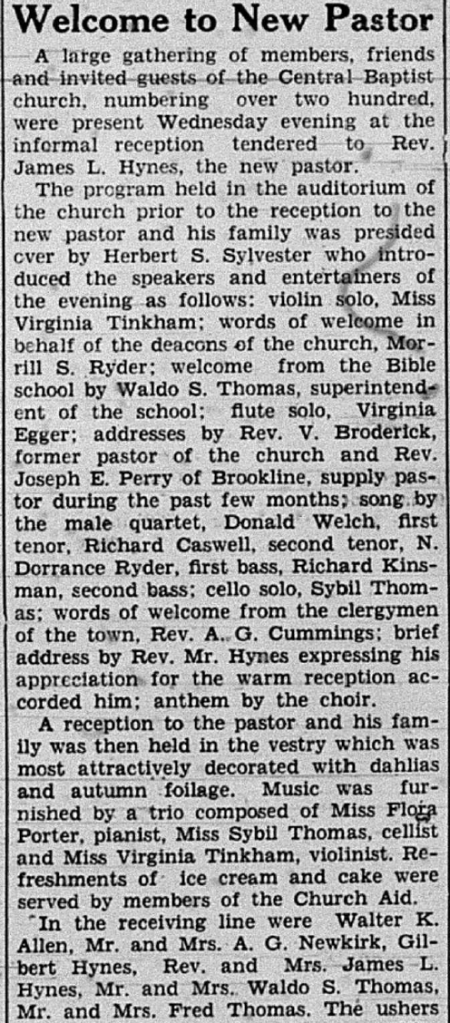
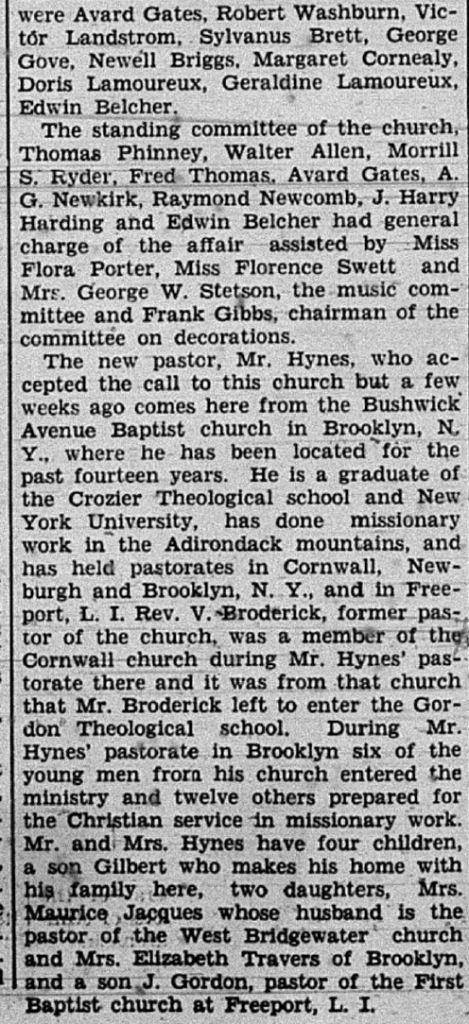
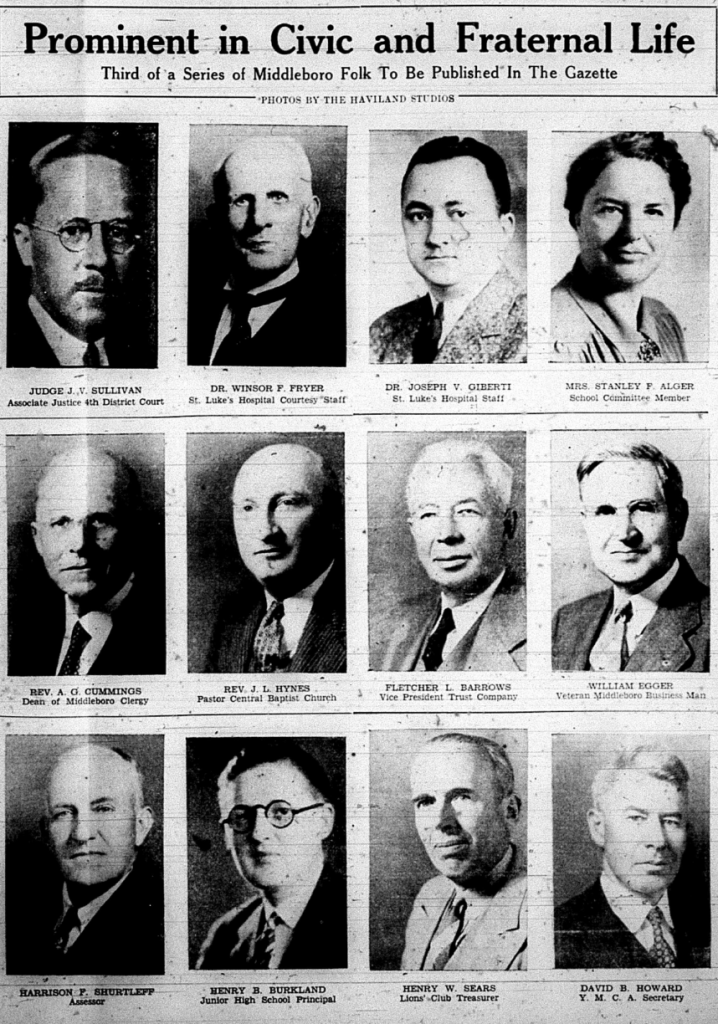
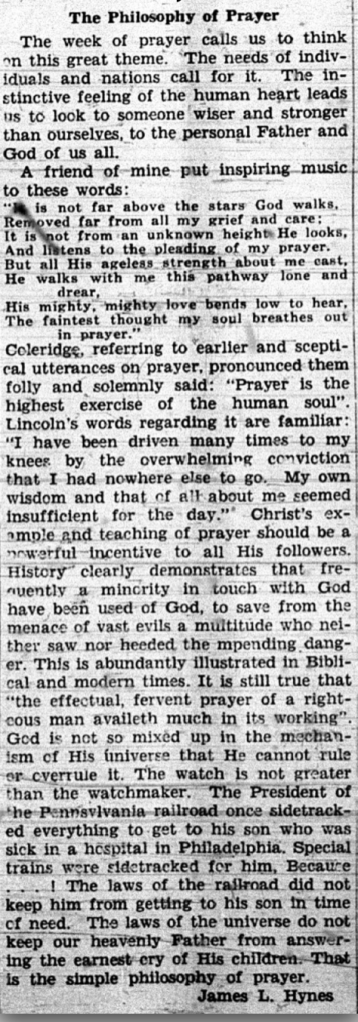
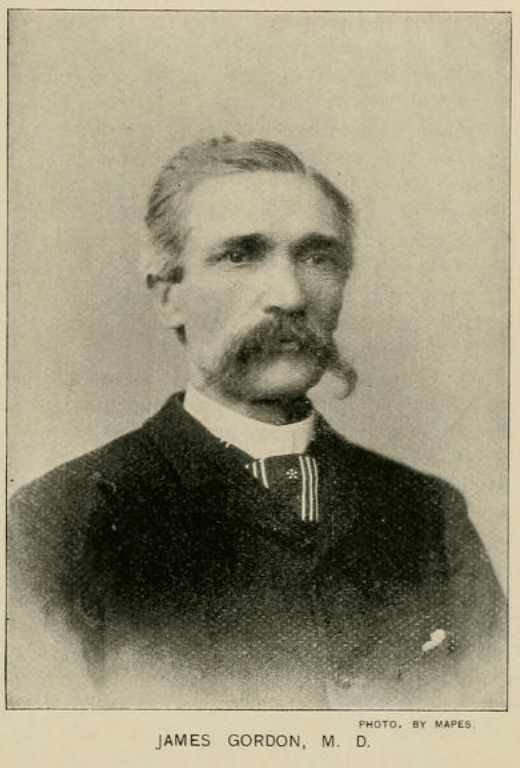
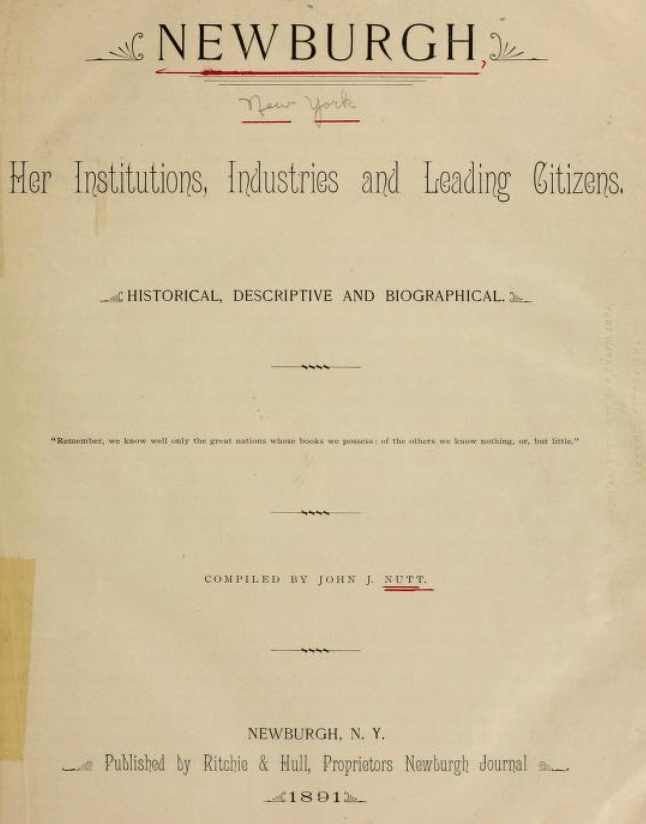
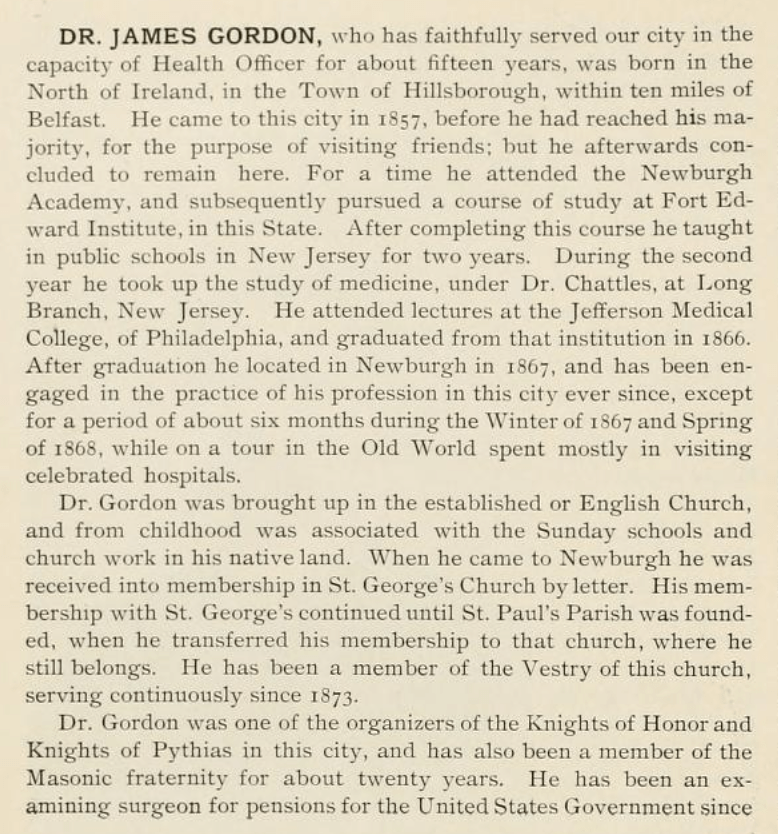
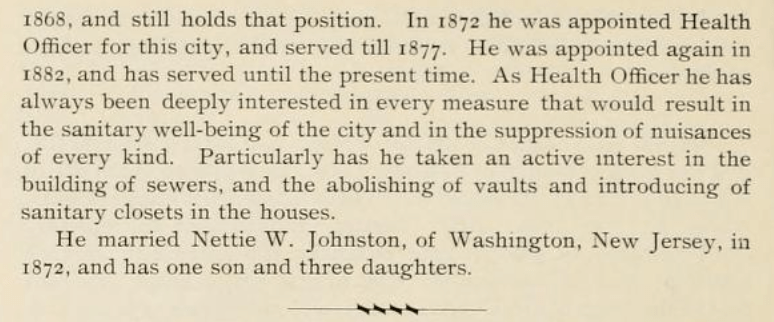
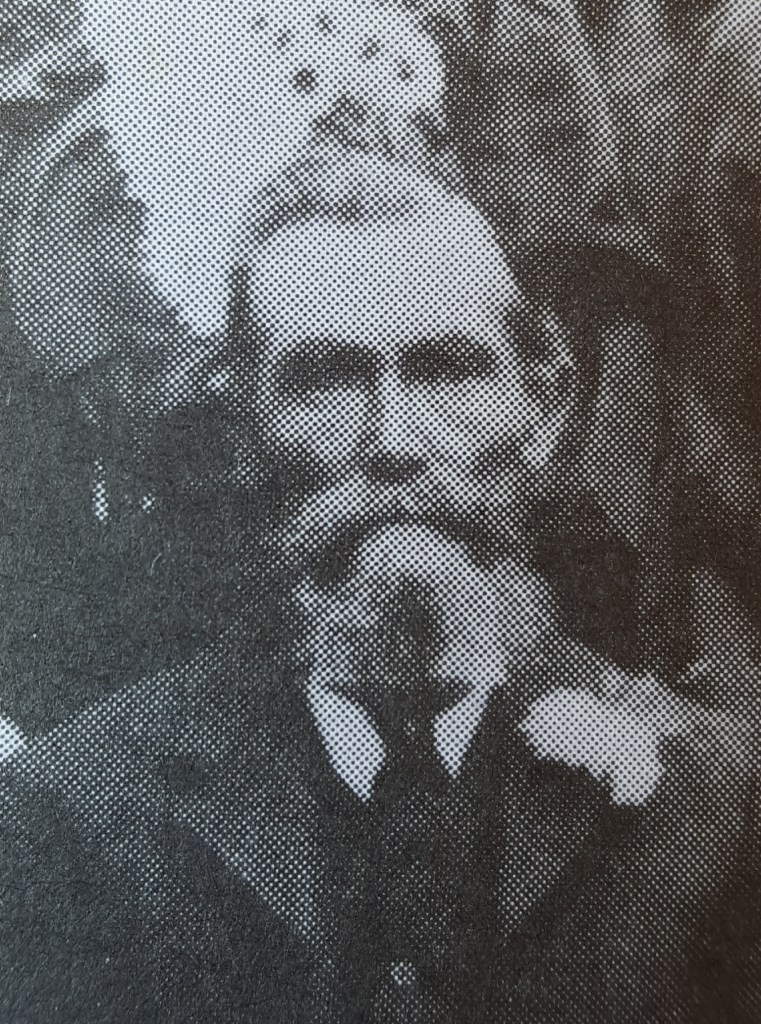
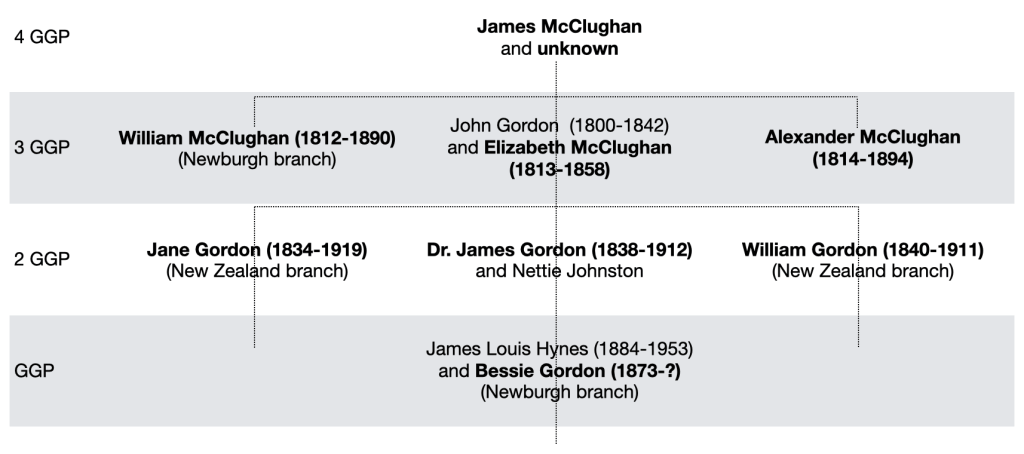
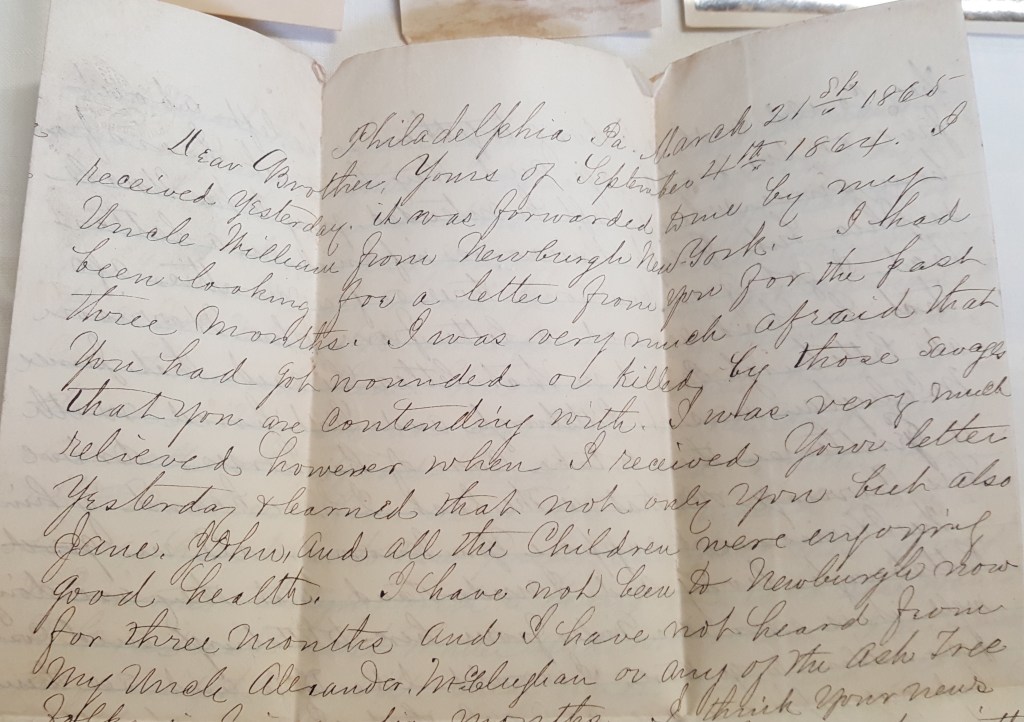
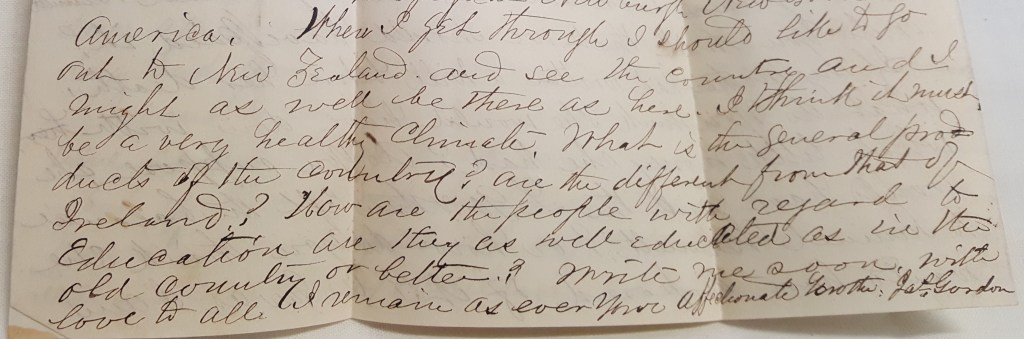
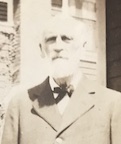 After completing his studies in 1870 at Crozer Theological Seminary in Upland, Pennsylvania, great grandfather Edward Thomas Sandford began his lifelong career as a Baptist minister. The record shows that he preached in Jefferson Maine, a very small town 15 miles west of his home in Warren Maine, between 1872 and 1875, and that he was formally ordained on January 15, 1873, at age 32. He resigned from the Jefferson post in October 1874, probably looking for greater responsibility and a step-up from his starter post.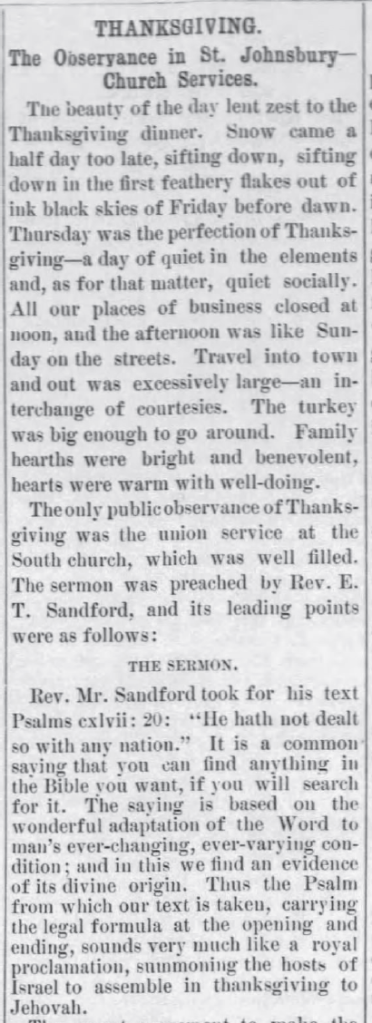
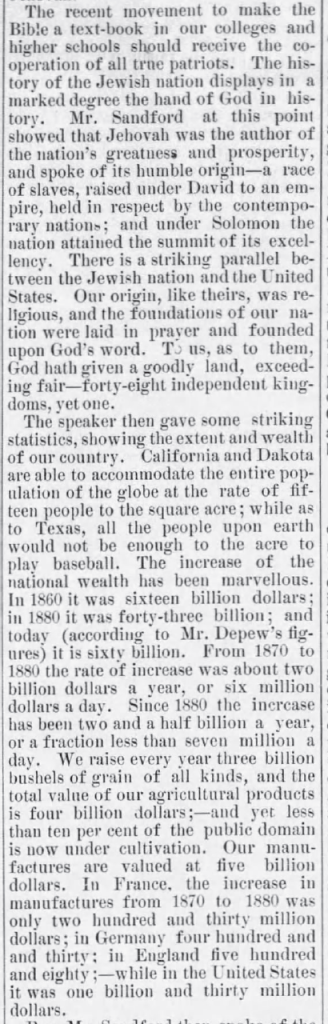
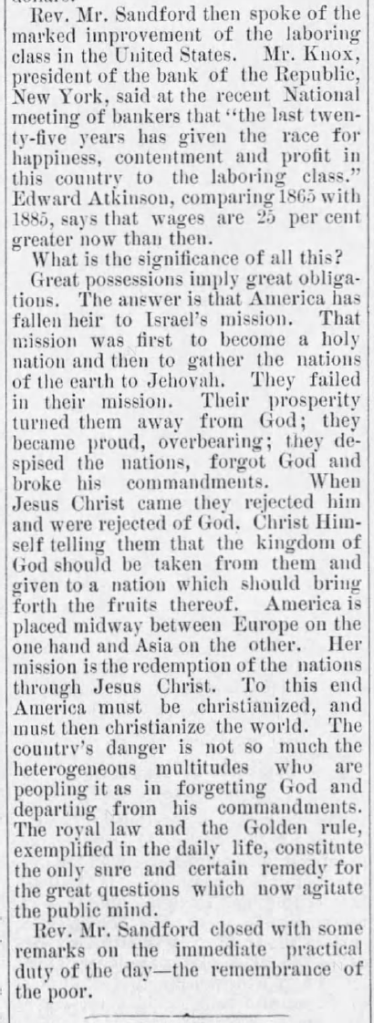
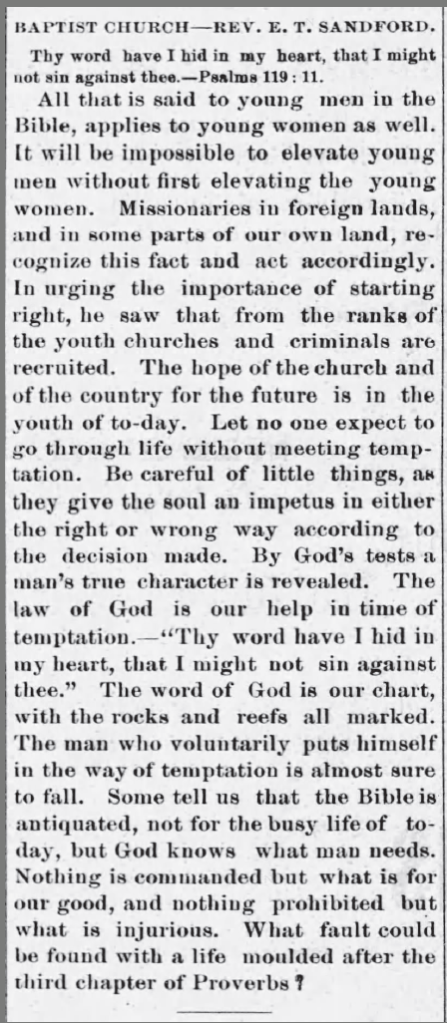
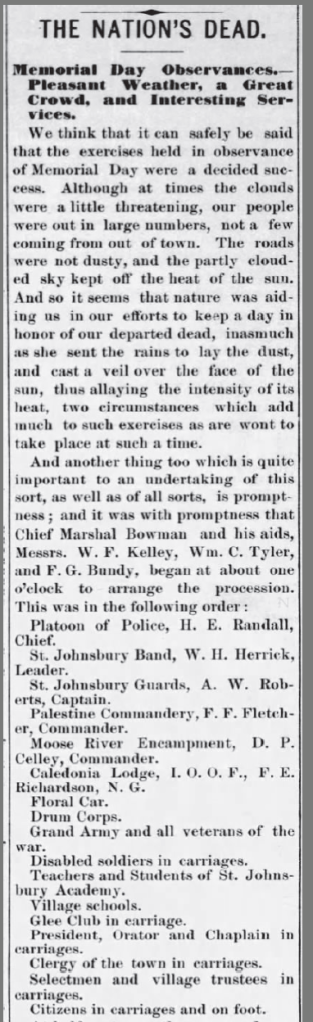
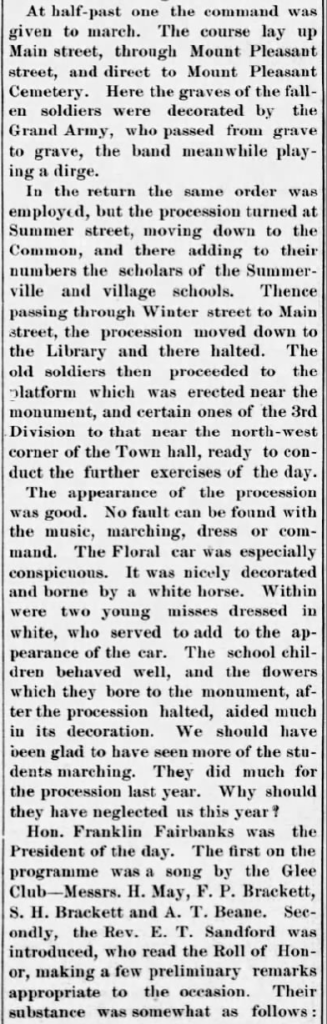
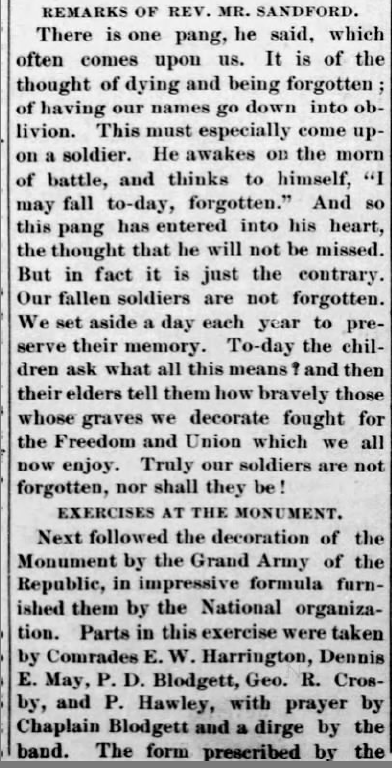
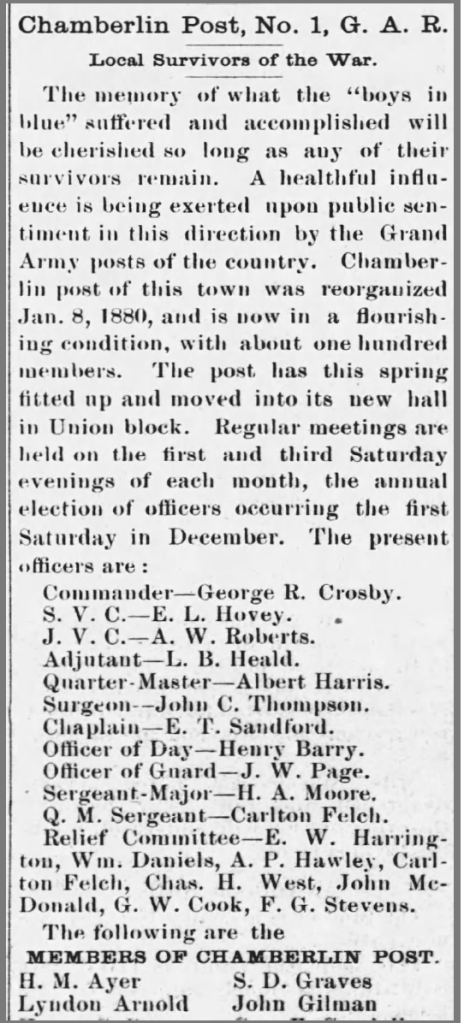
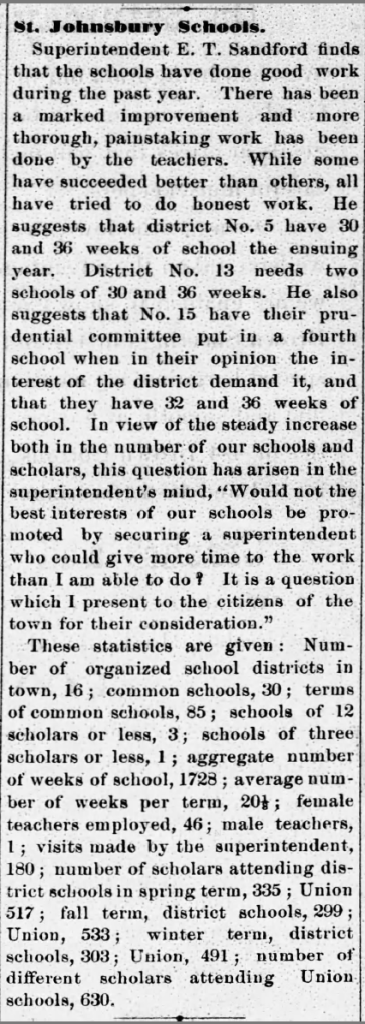
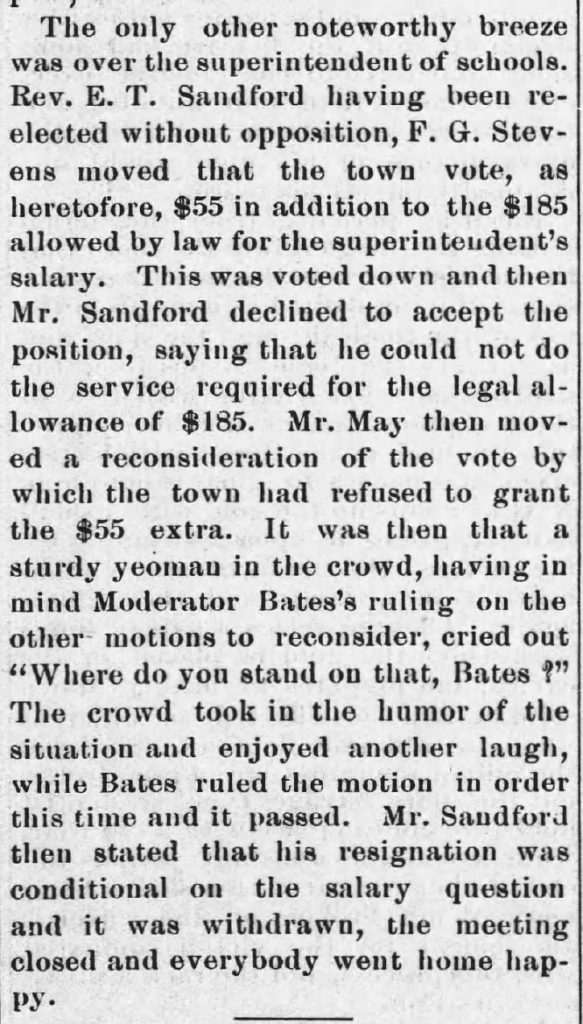
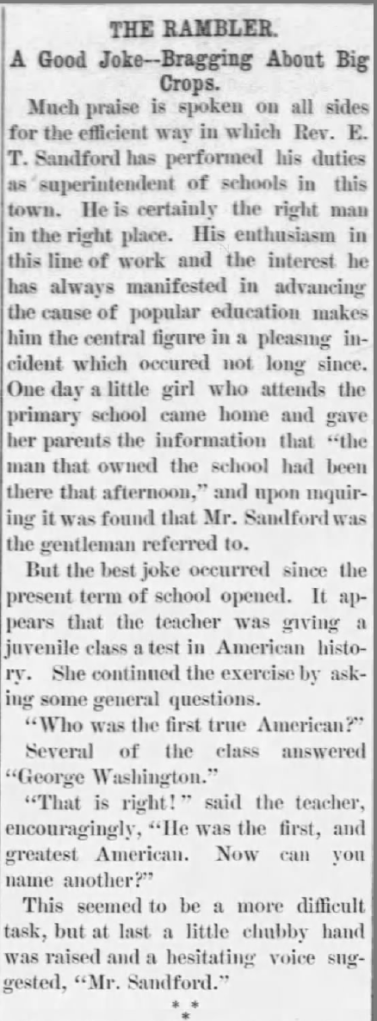
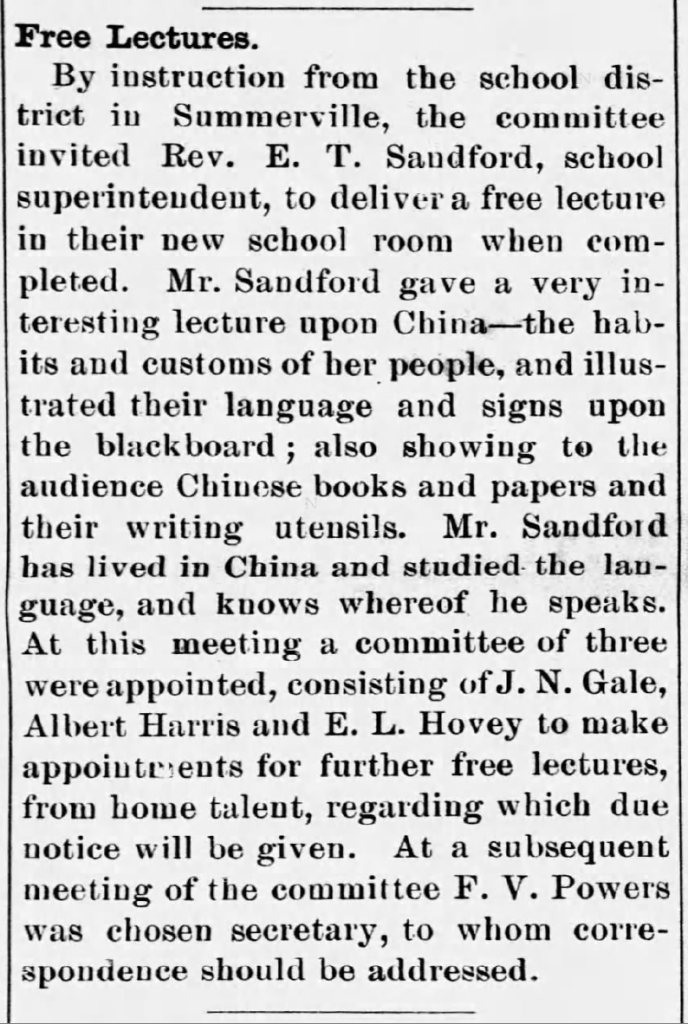
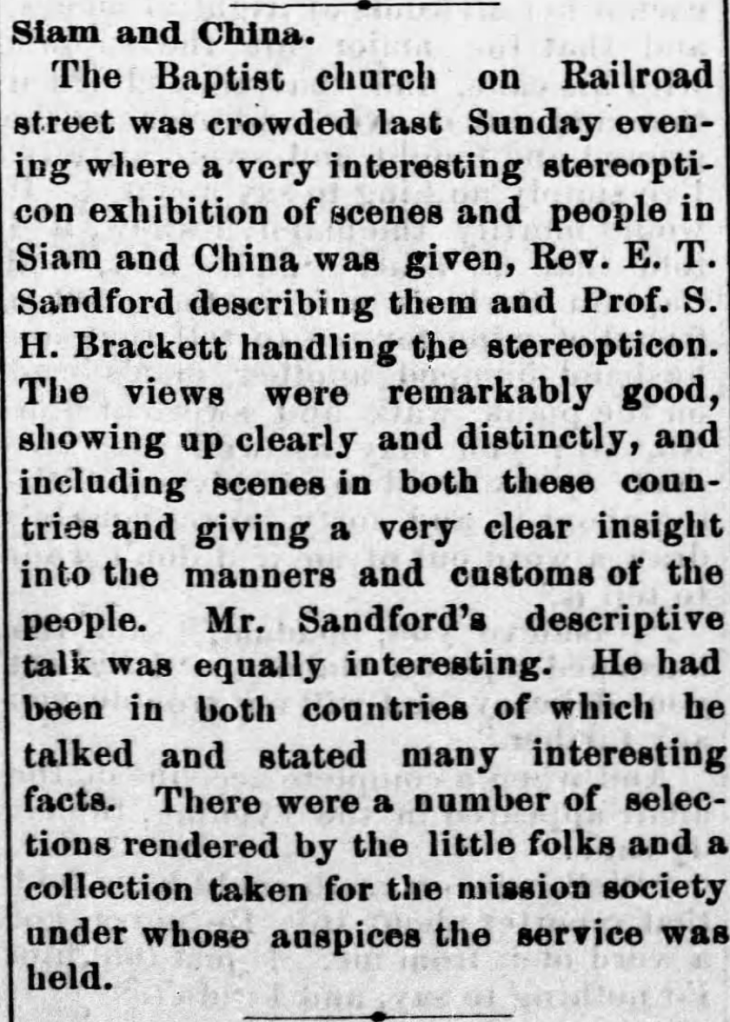
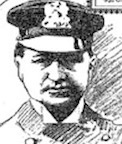 In Washington DCʼs Judiciary Square, about eight blocks from the U.S. Capitol, the National Law Enforcement Officers Memorial bears the names of tens of thousands of police officers who have lost their lives across the country since the late 19th century. The names of our great grandfather George Sechler and his fellow New York City Police officer Alfred Selleck are engraved in the memorial.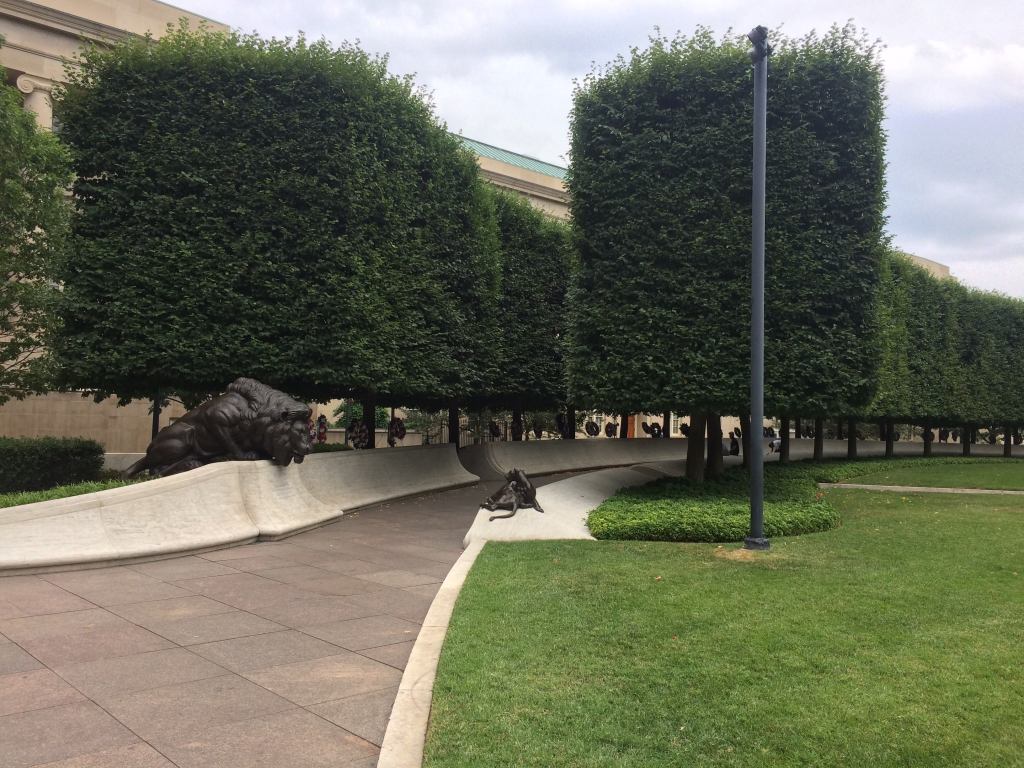
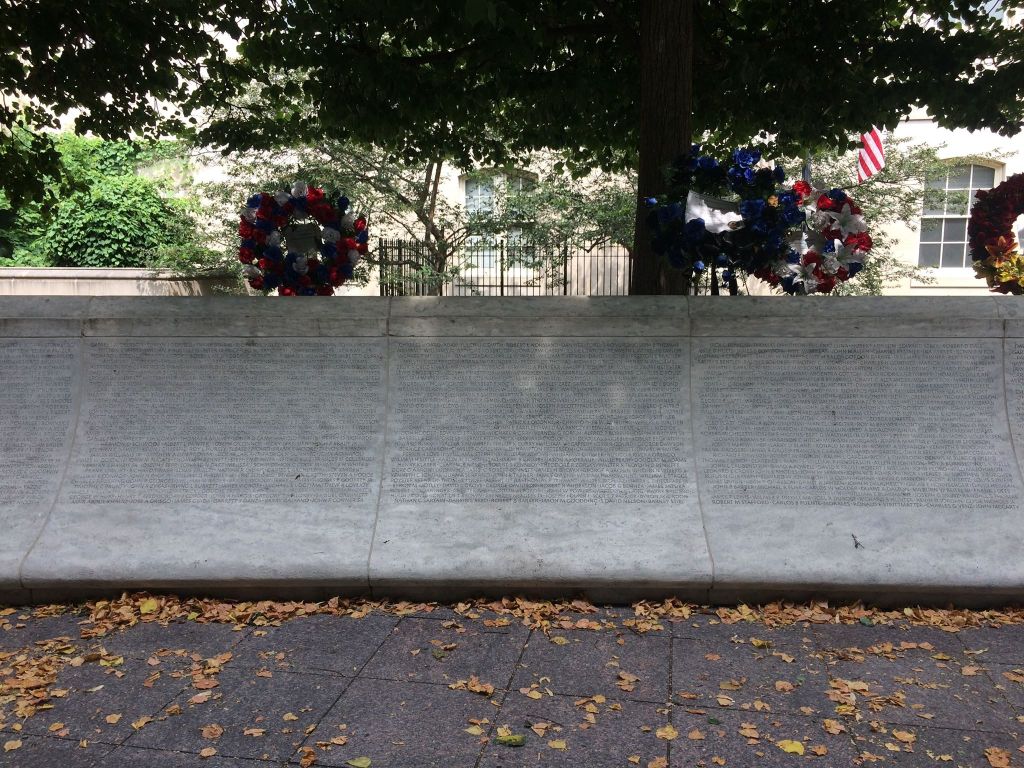
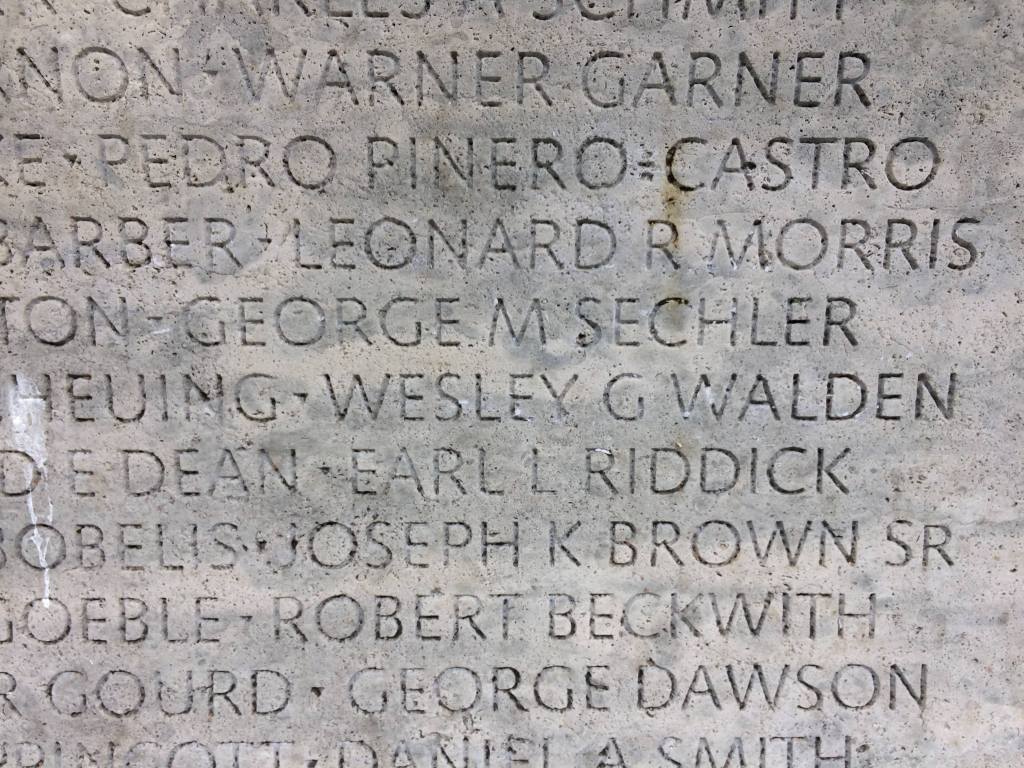
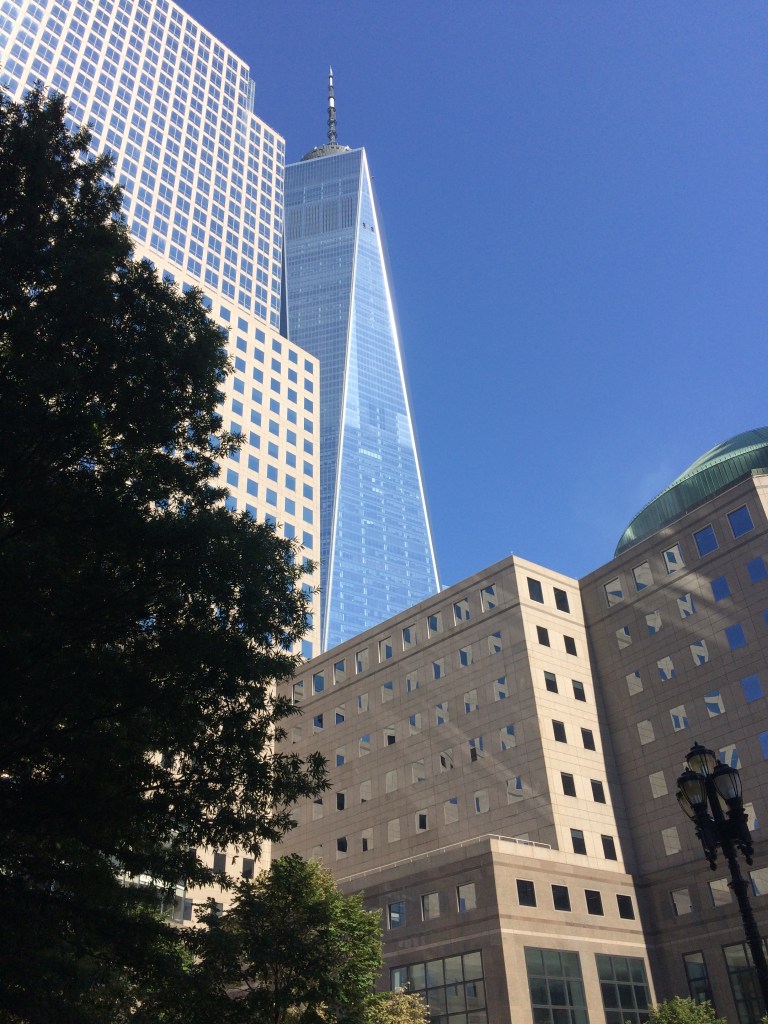
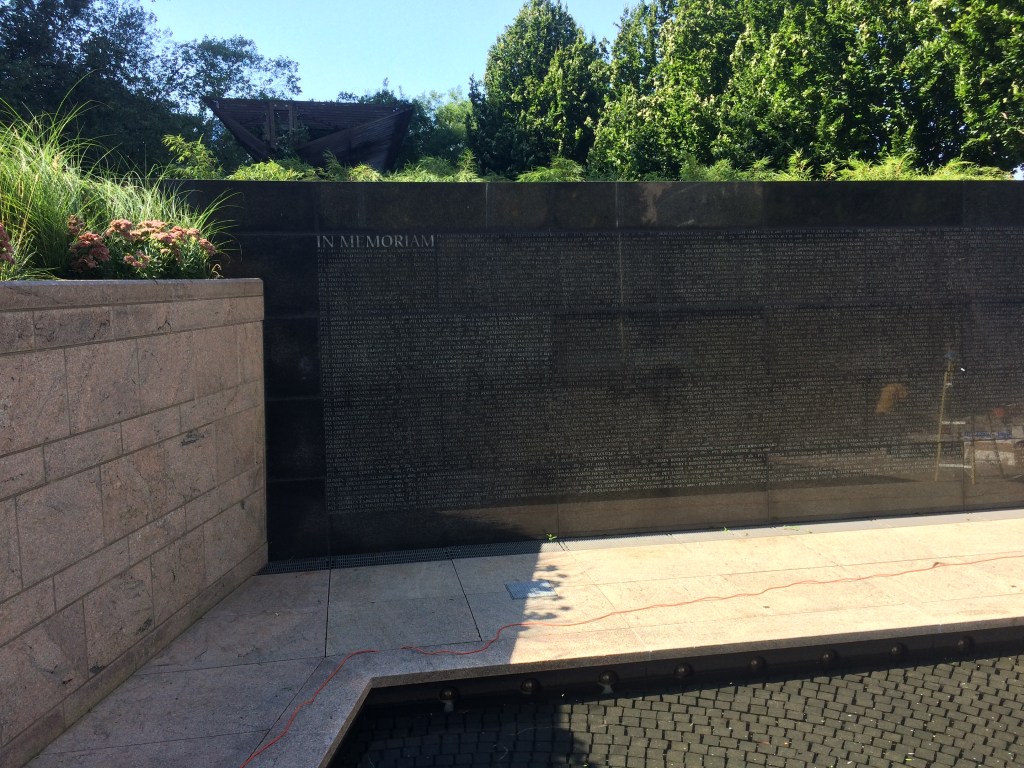
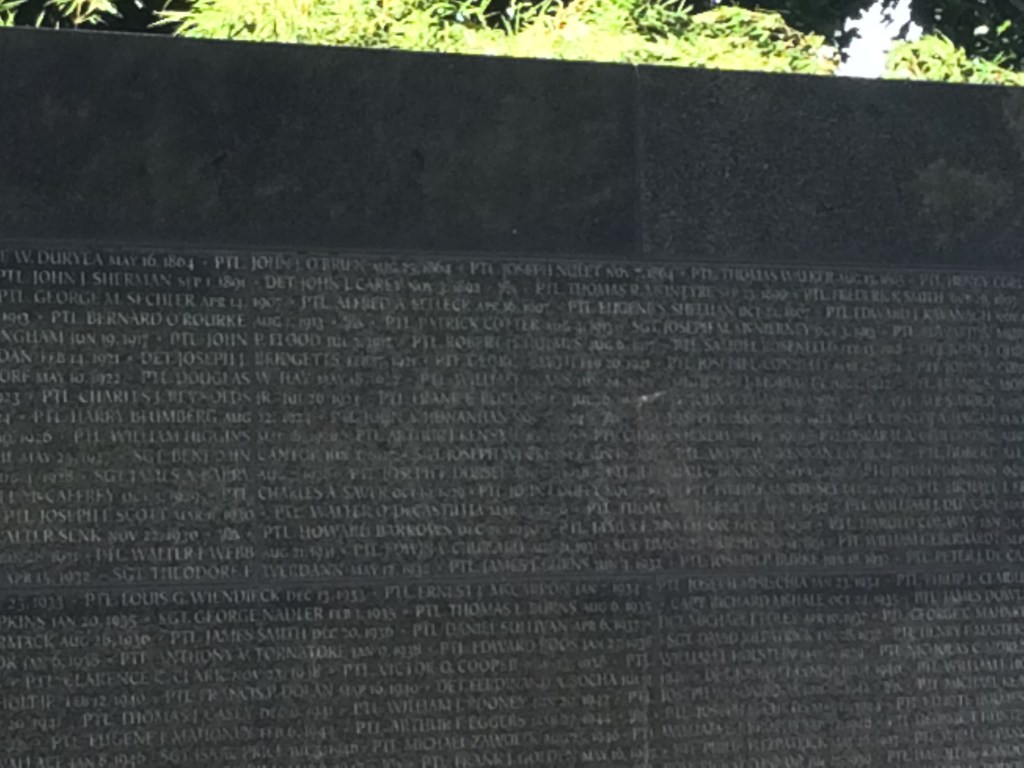

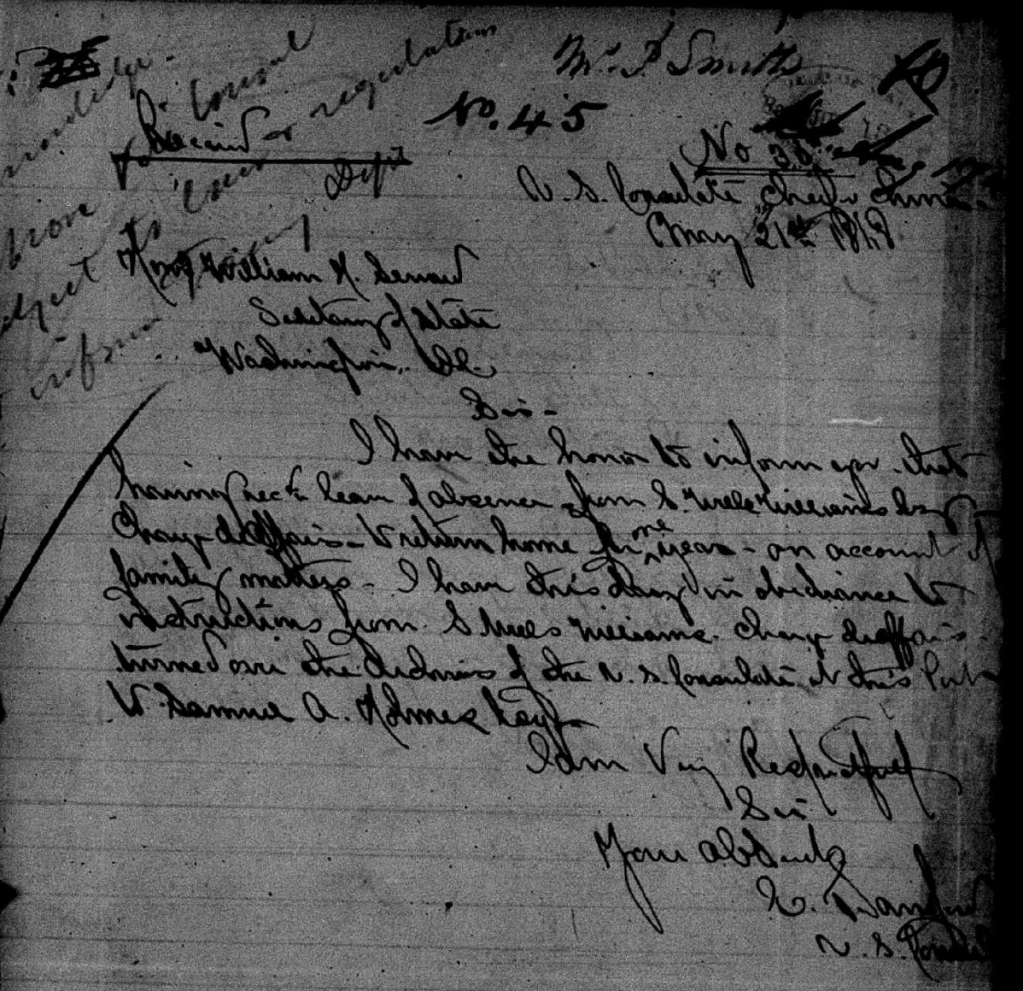
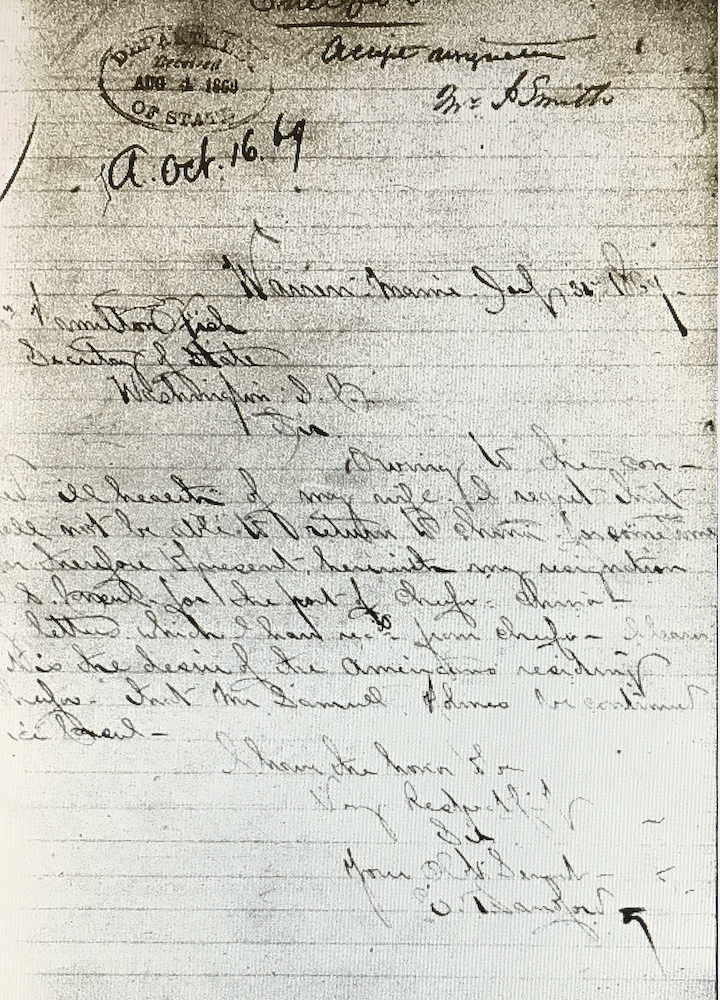
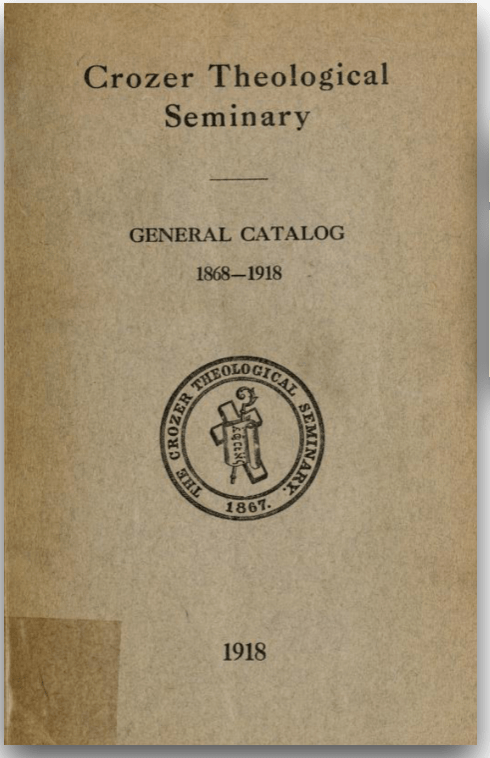
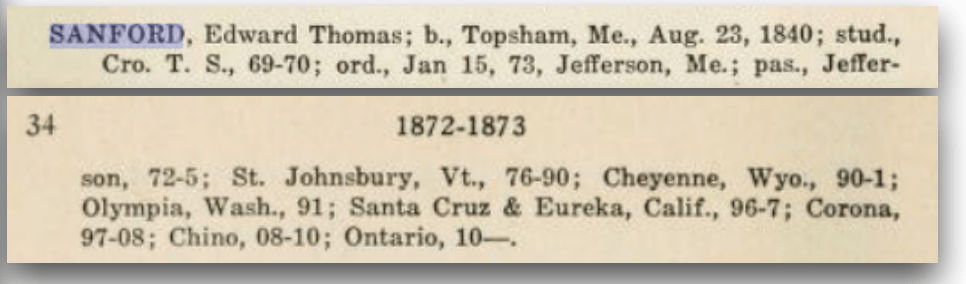
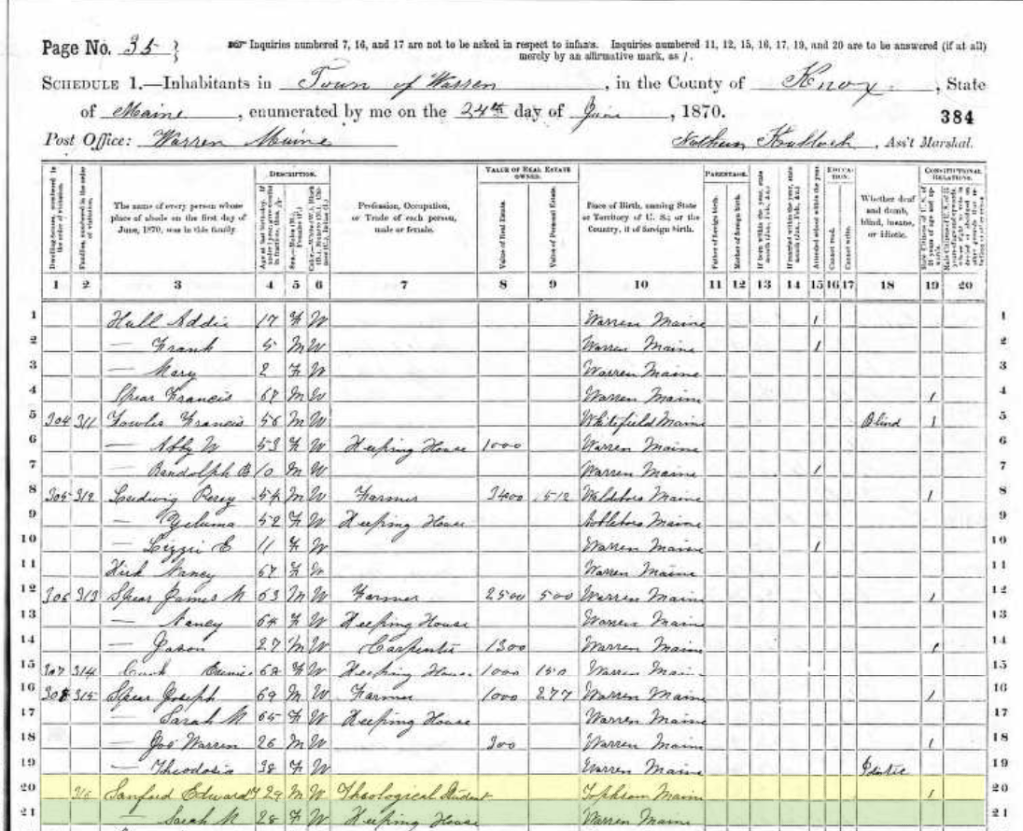
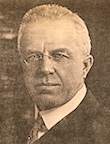
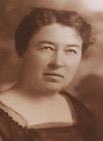
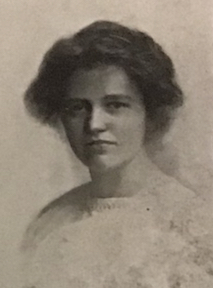 By 1903, our great grandparents Henry and Mabel Tuttle Swan had permanently moved from Mankato, Minnesota to Ontario, California. Henry was 40 years old, Mabel 37. Their daughter Margaret, our grandmother, was 8.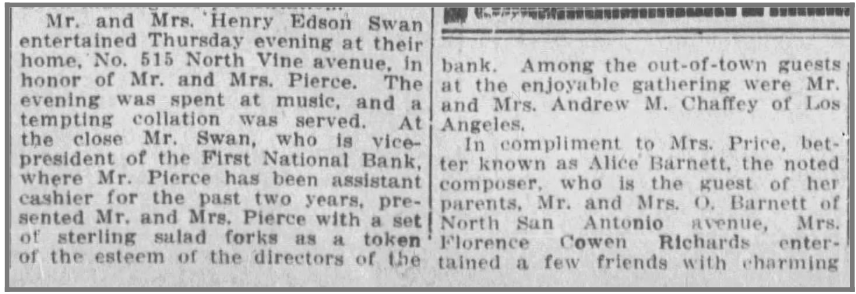
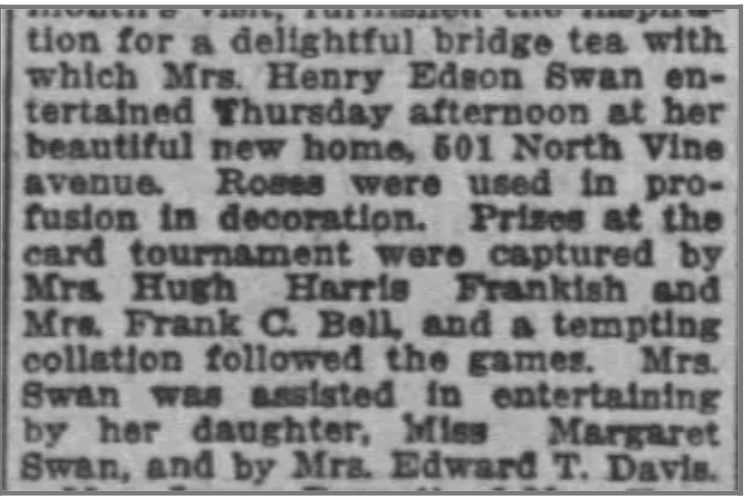

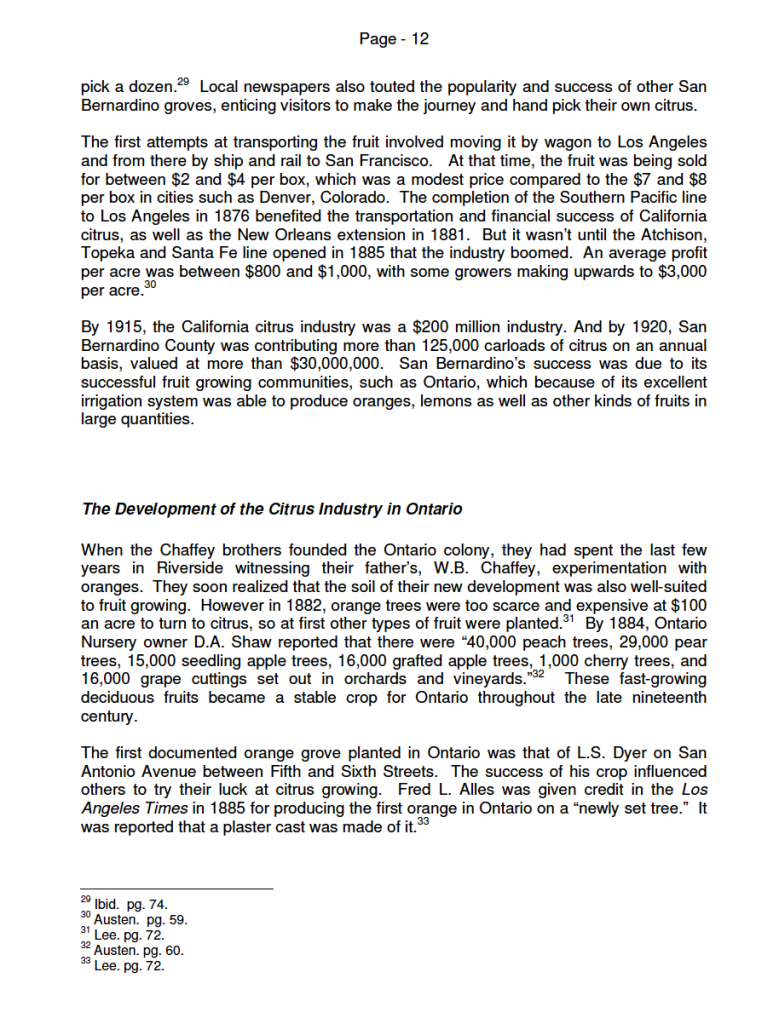
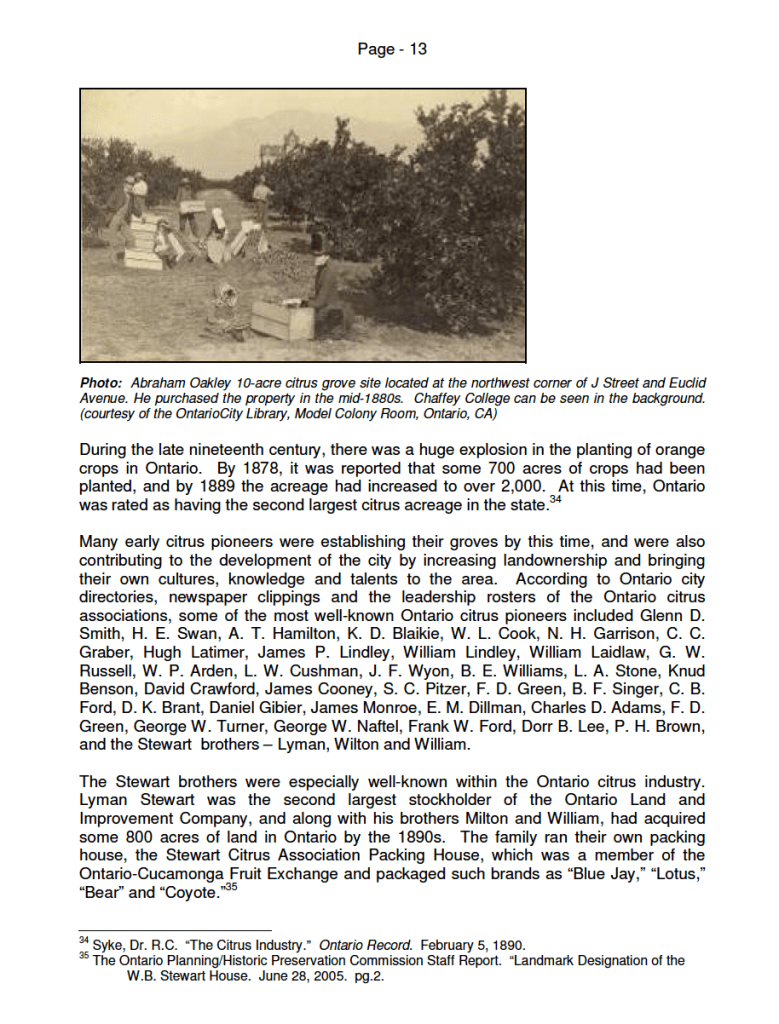
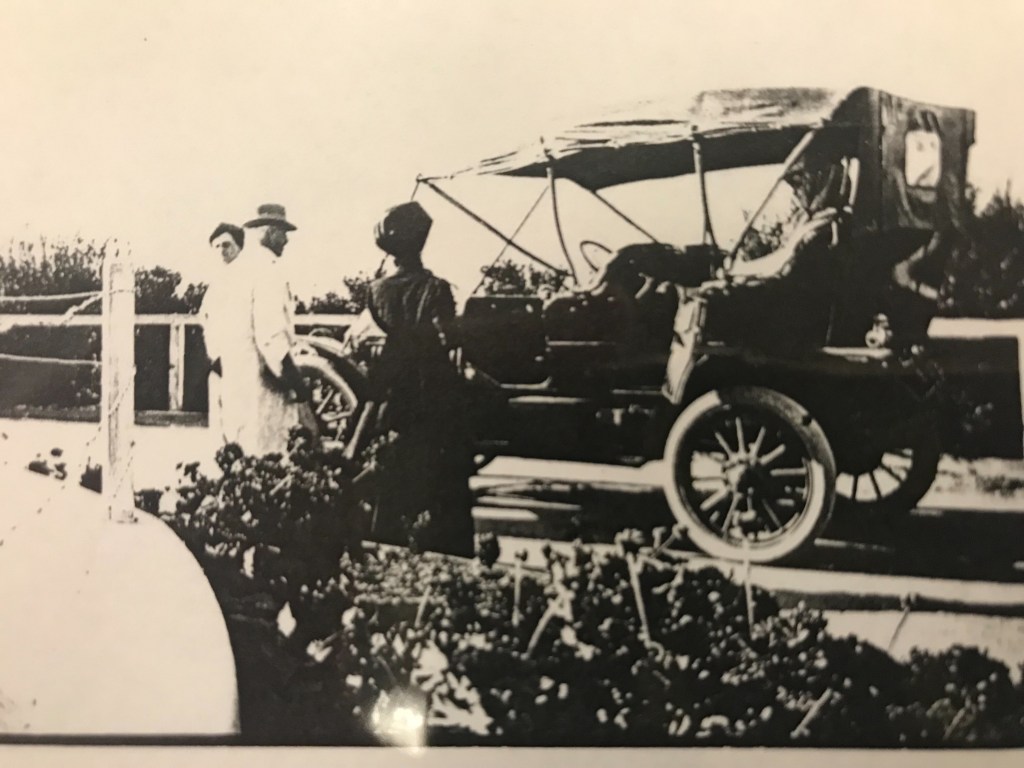
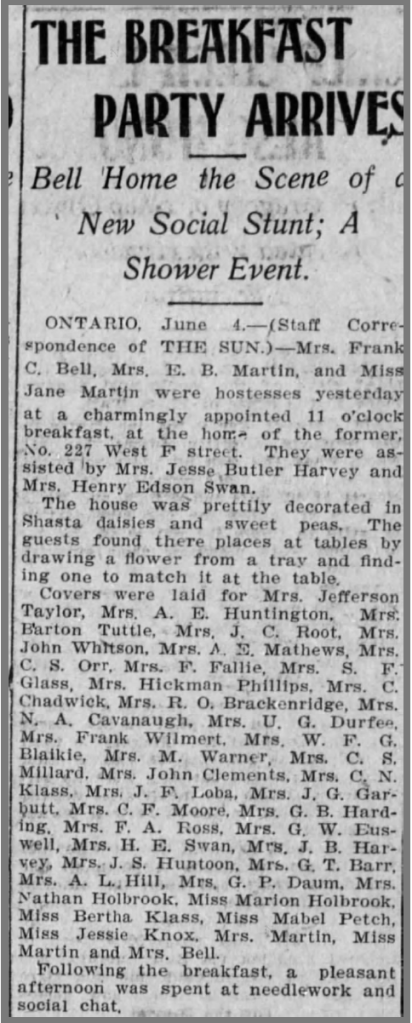
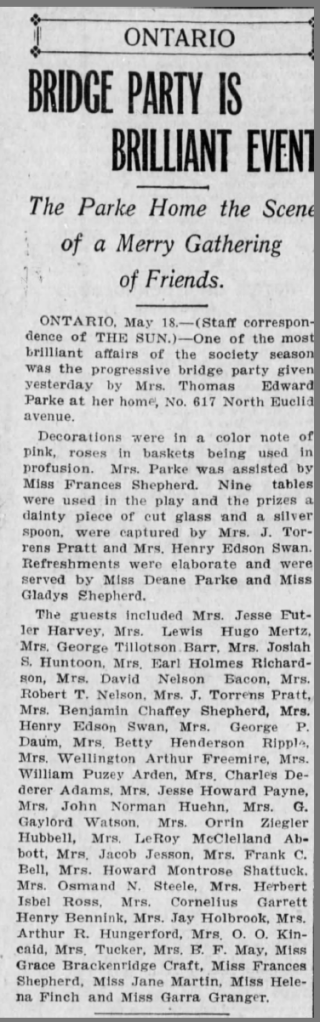
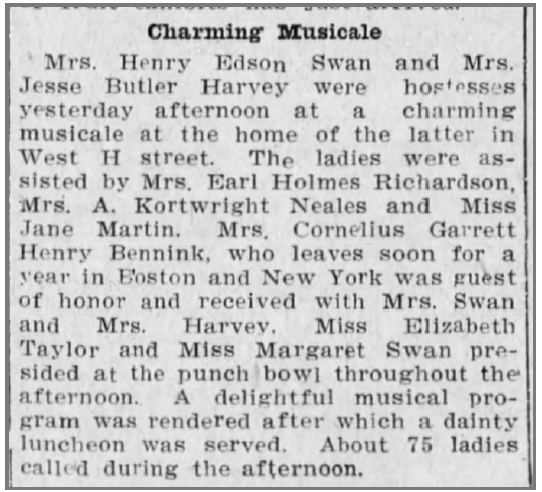
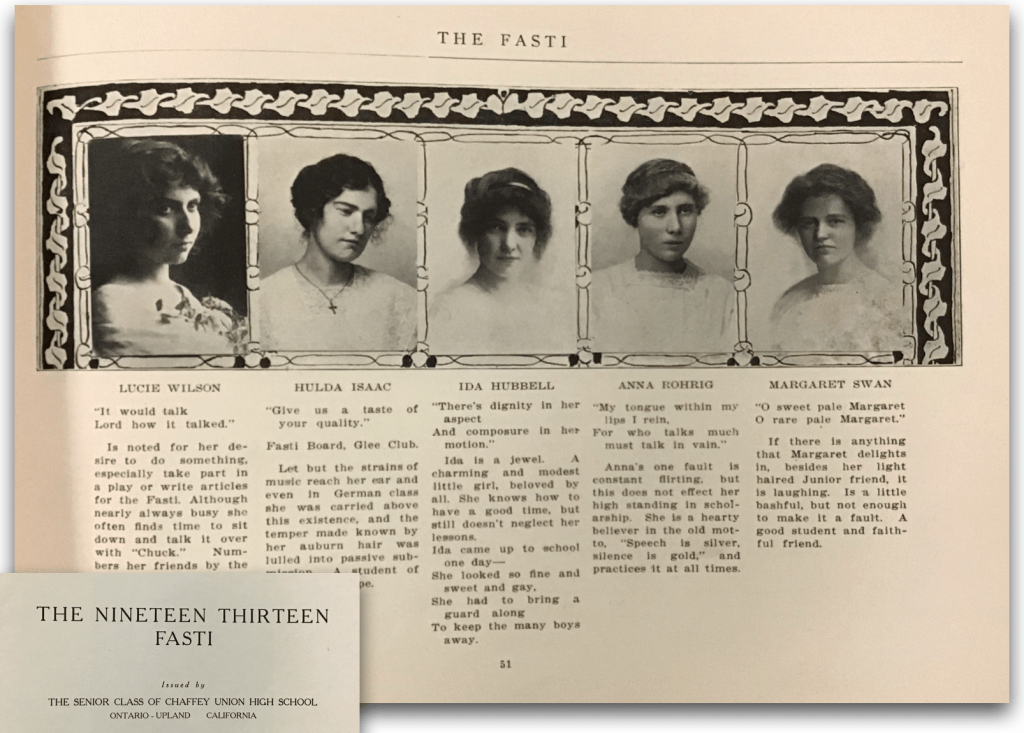
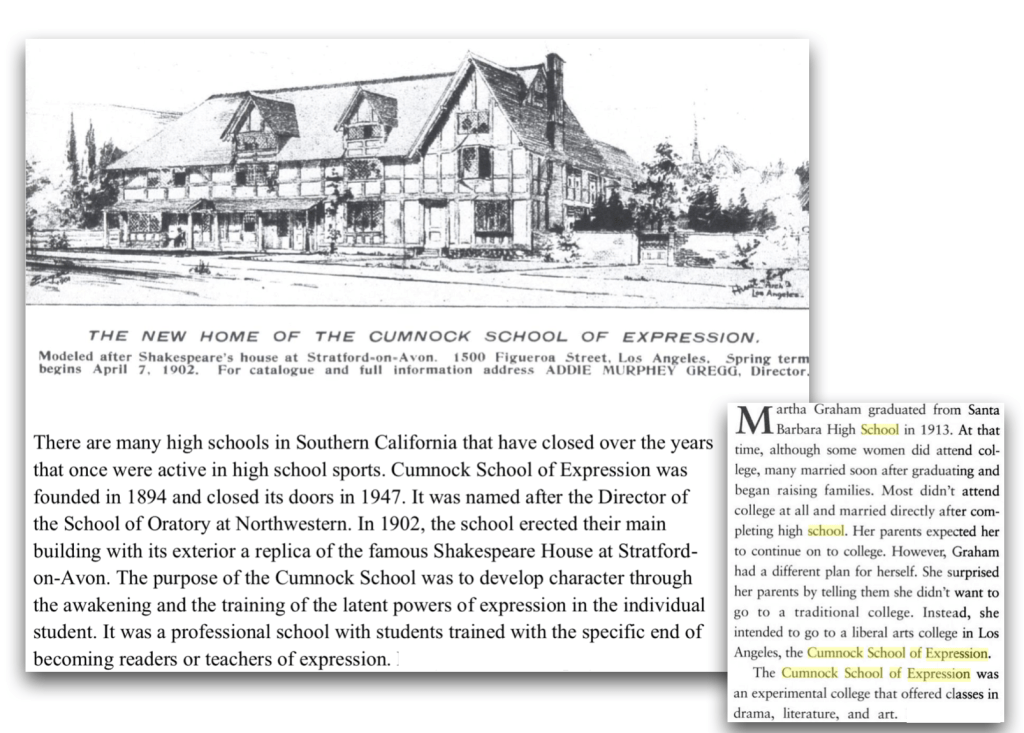
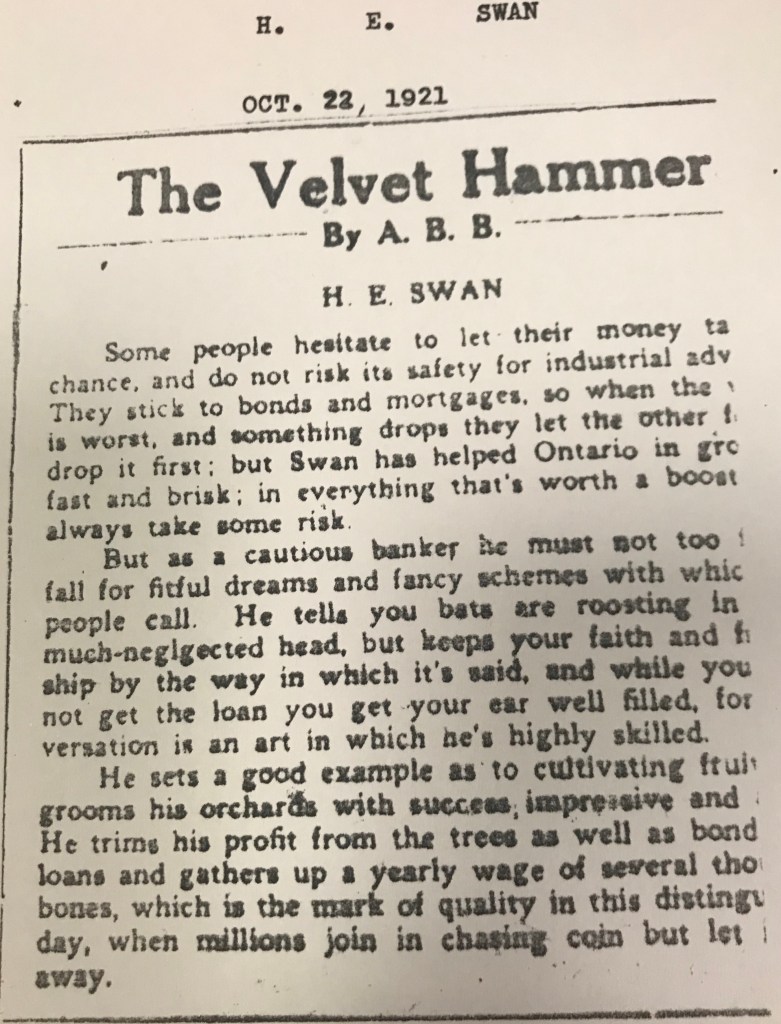
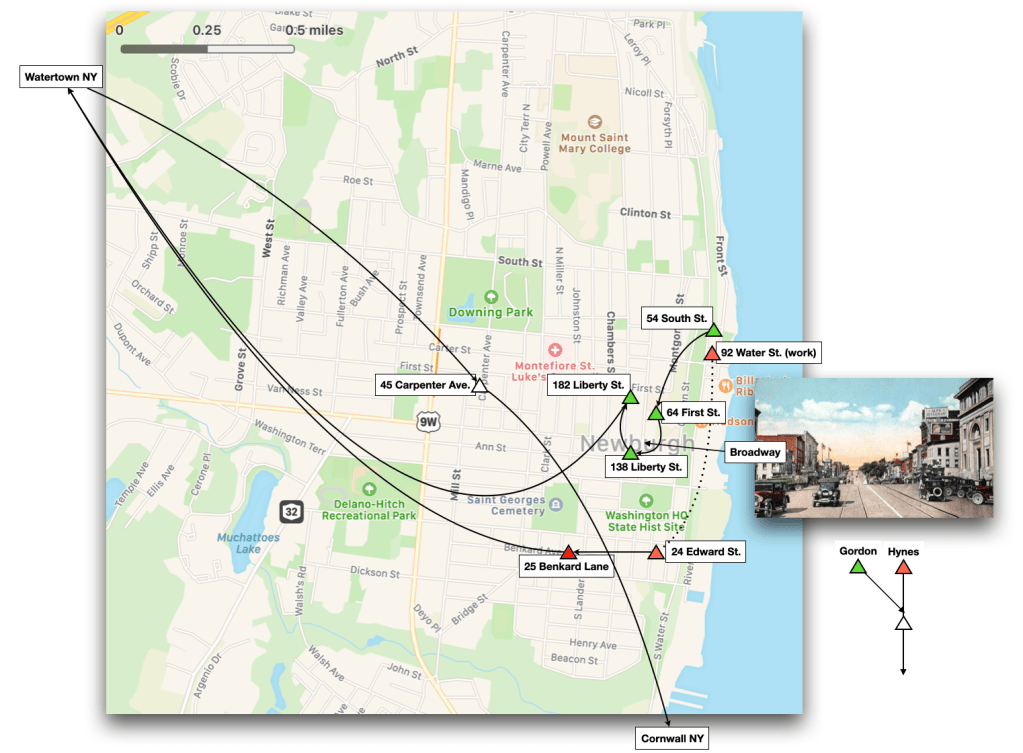
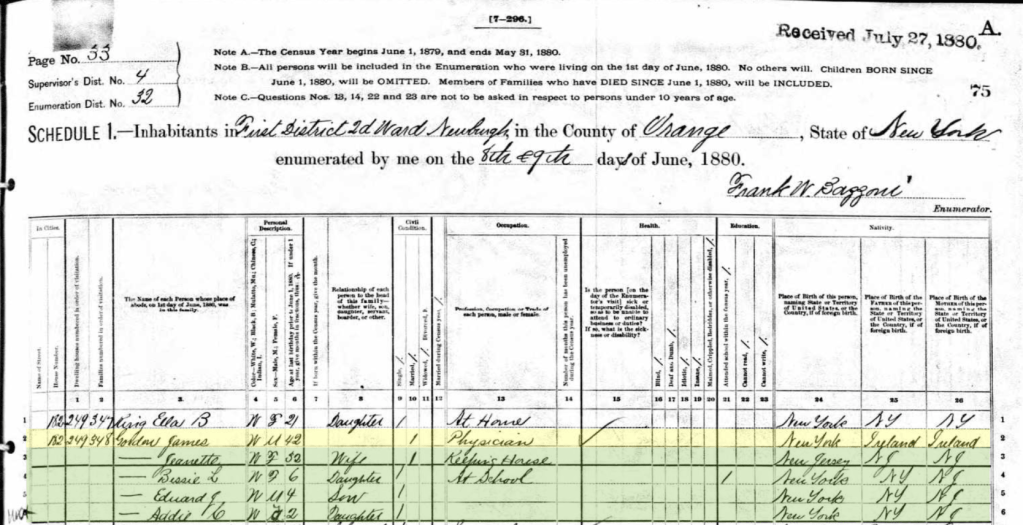
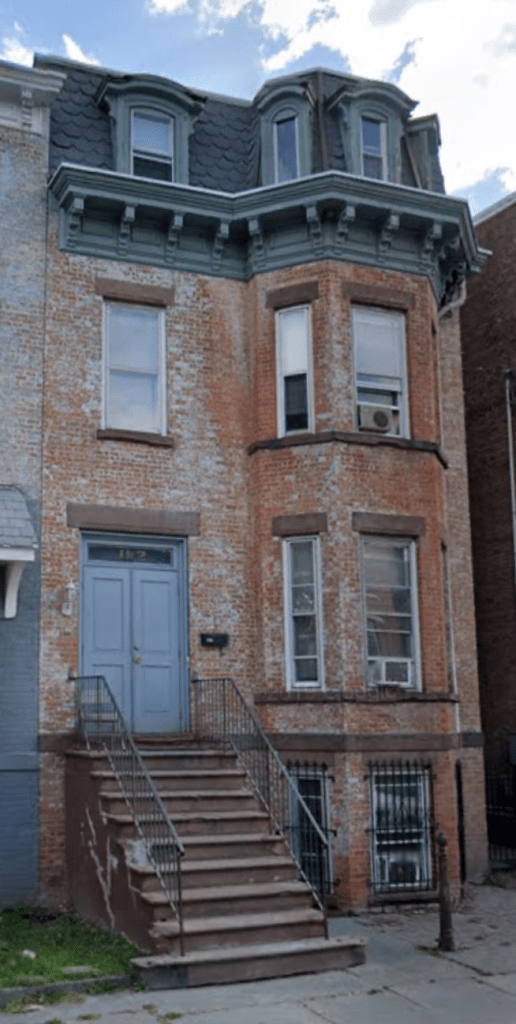
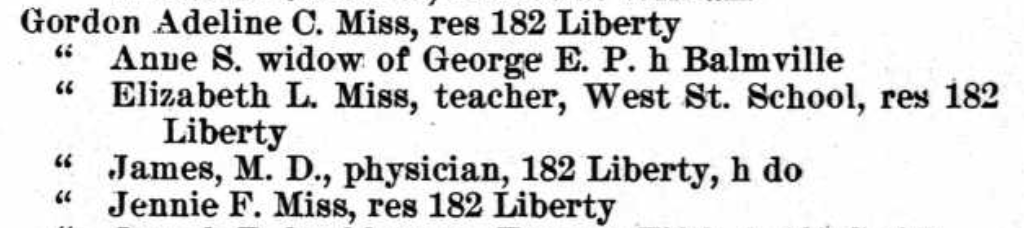
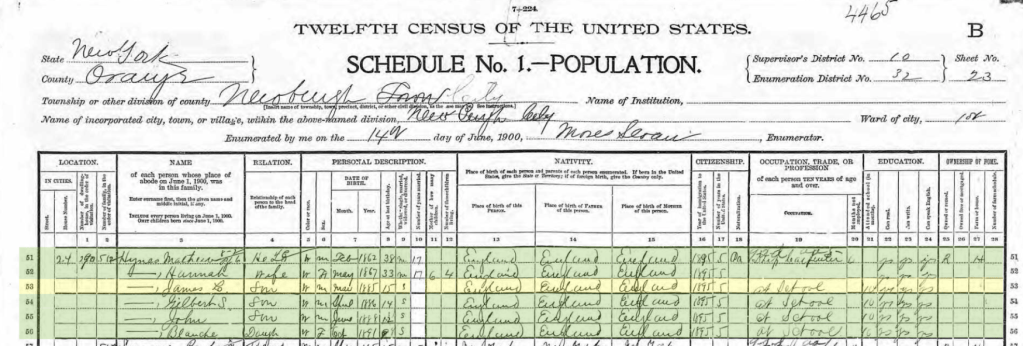

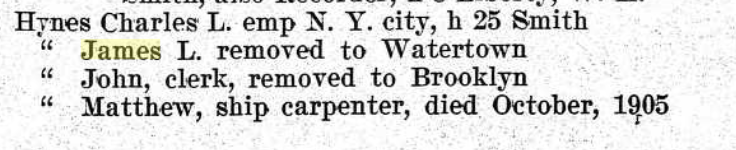
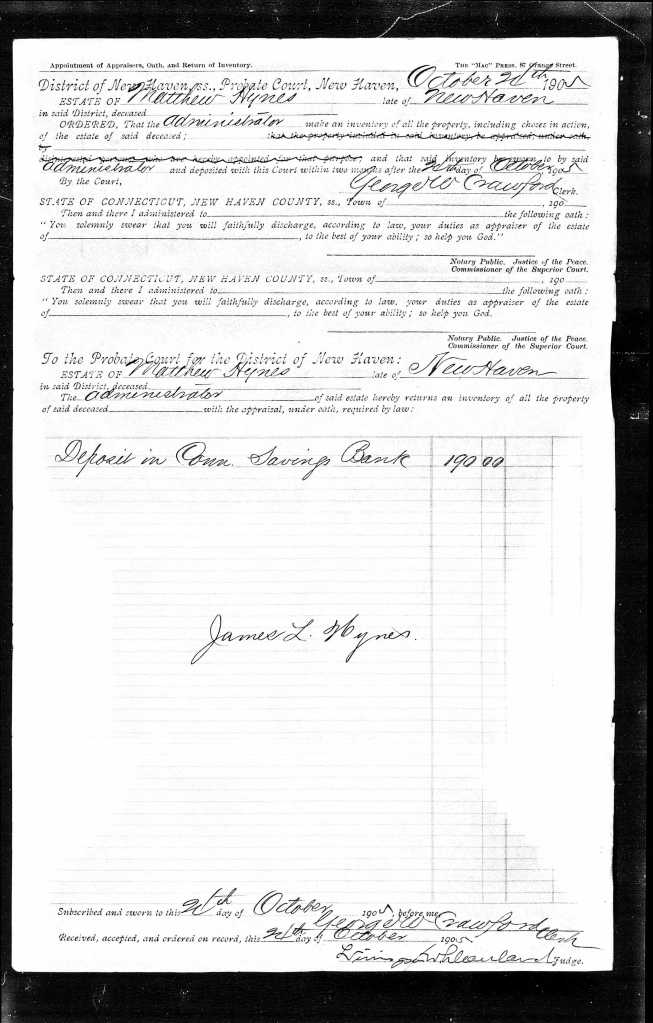
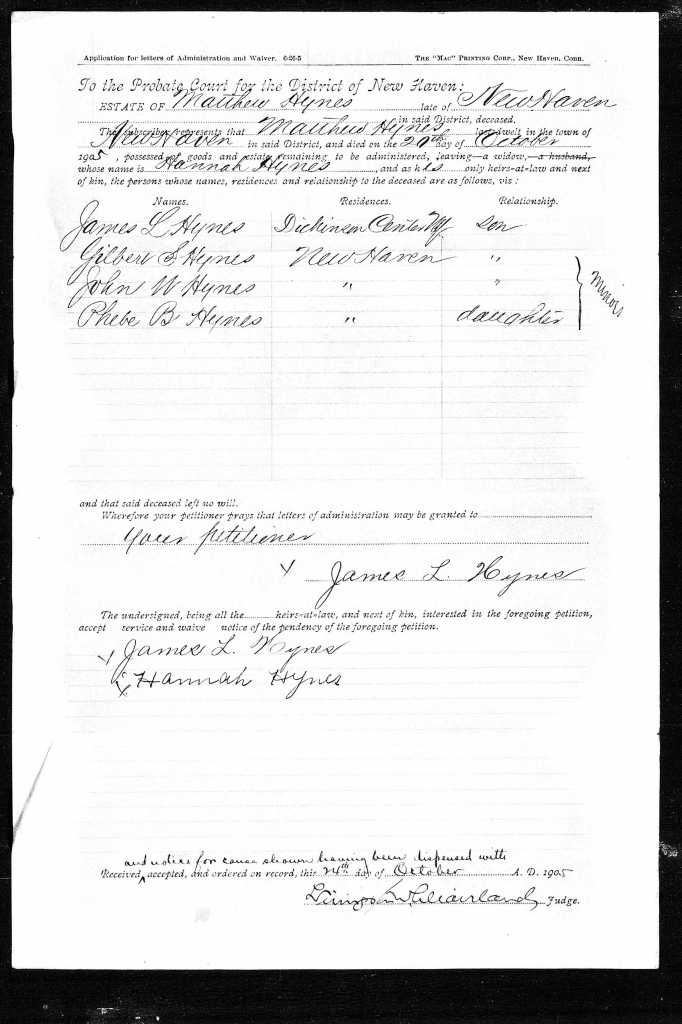
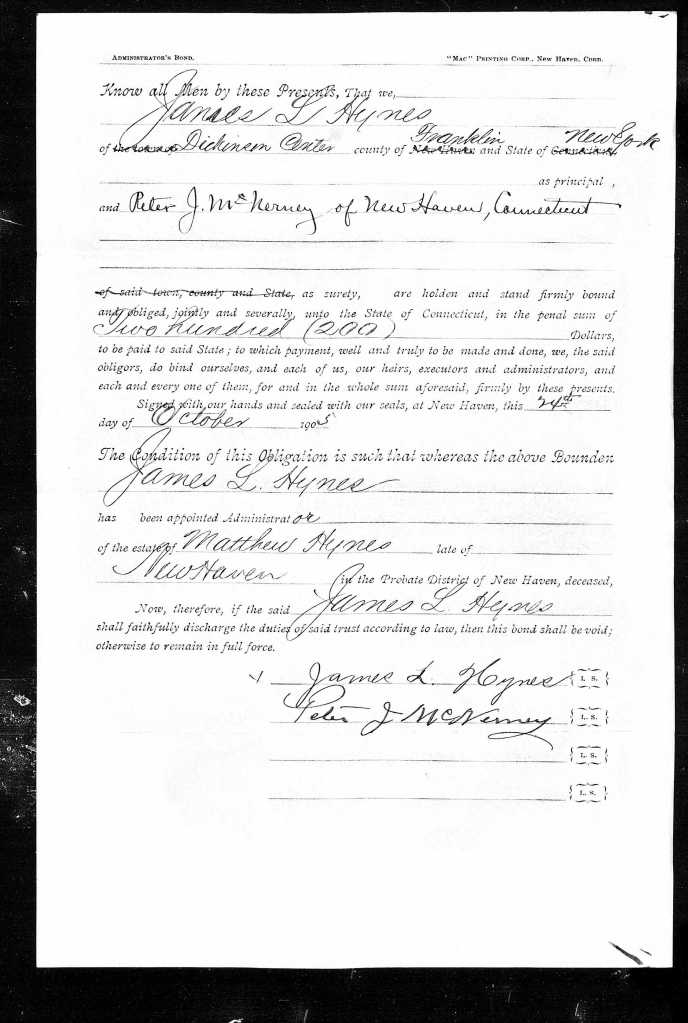
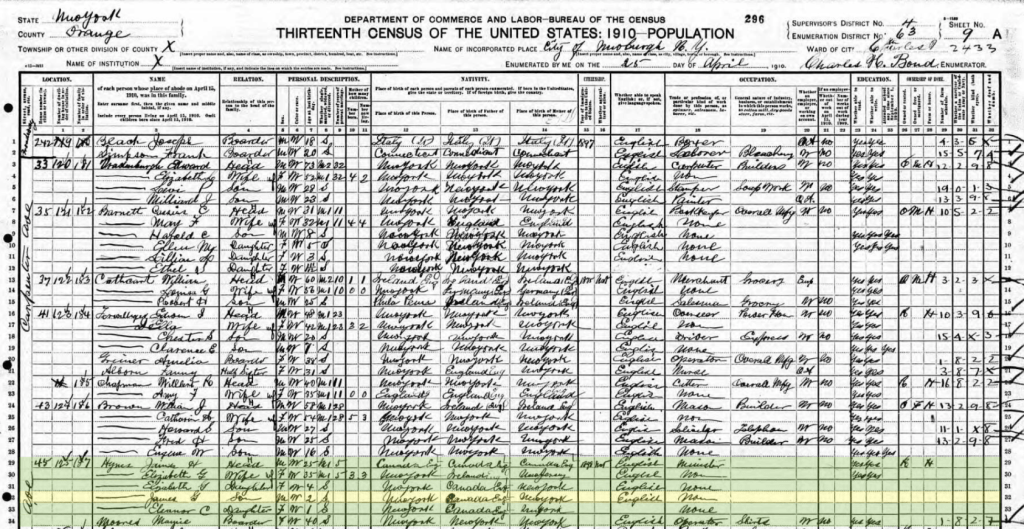
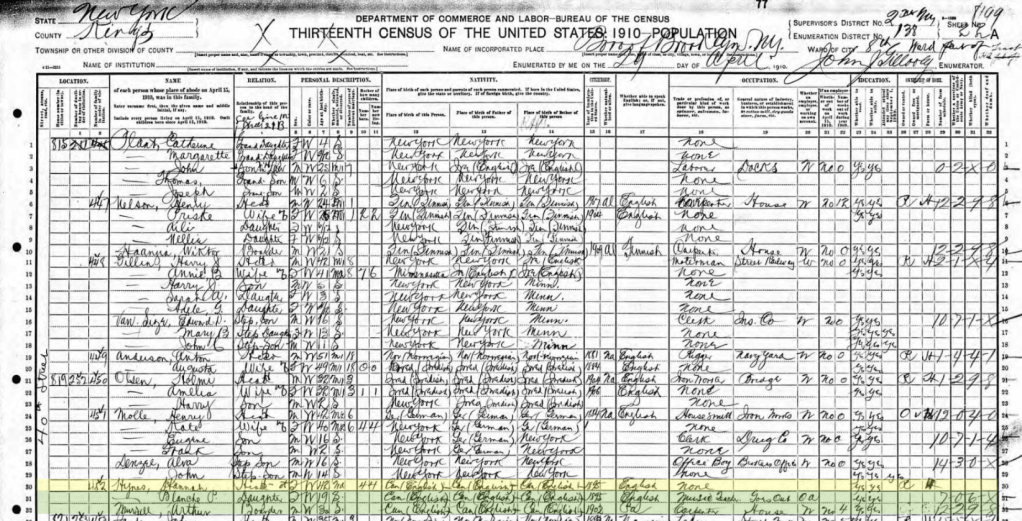
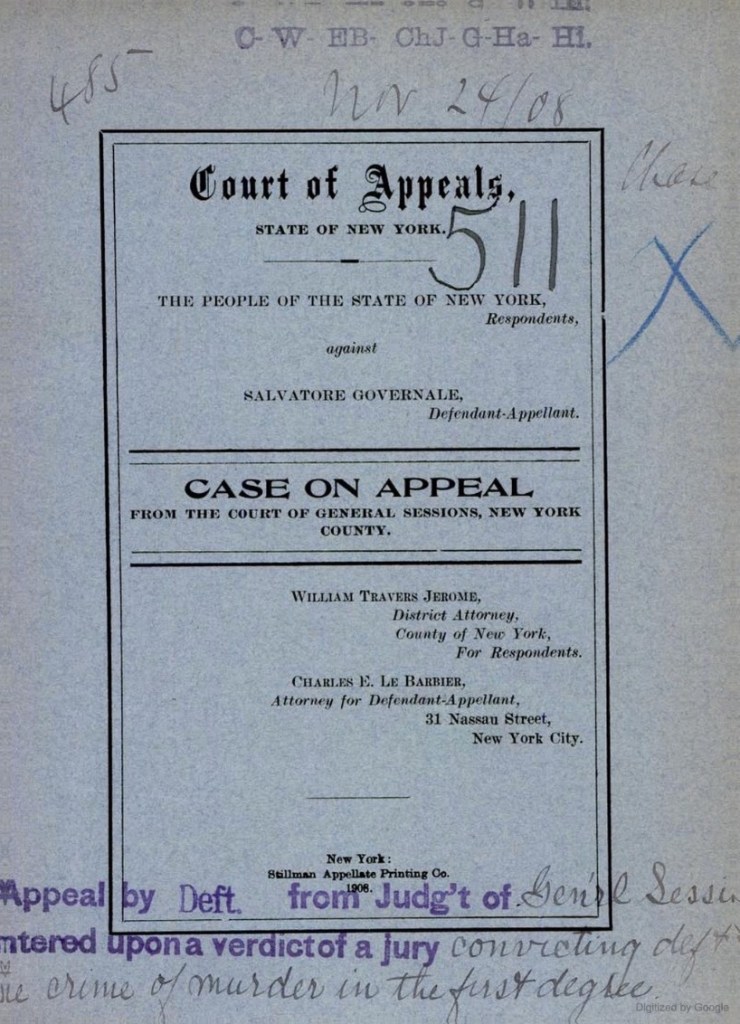
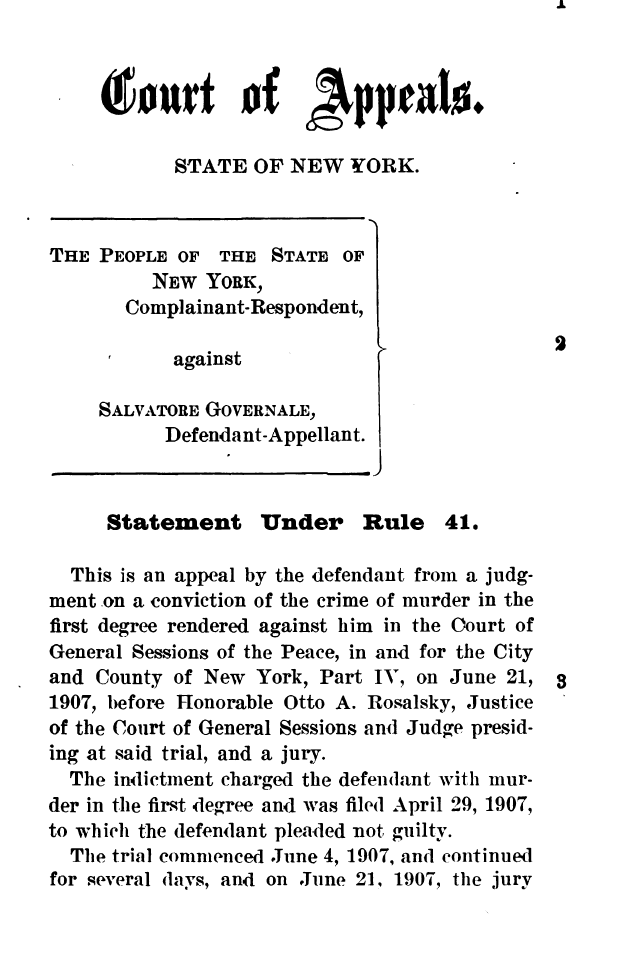
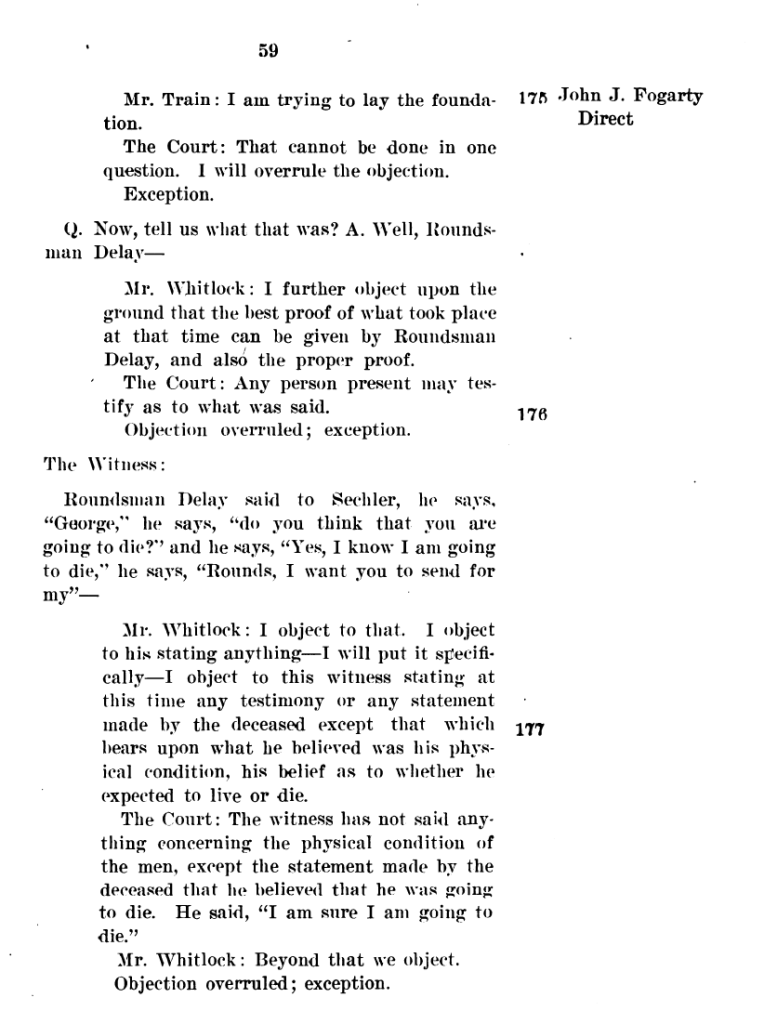
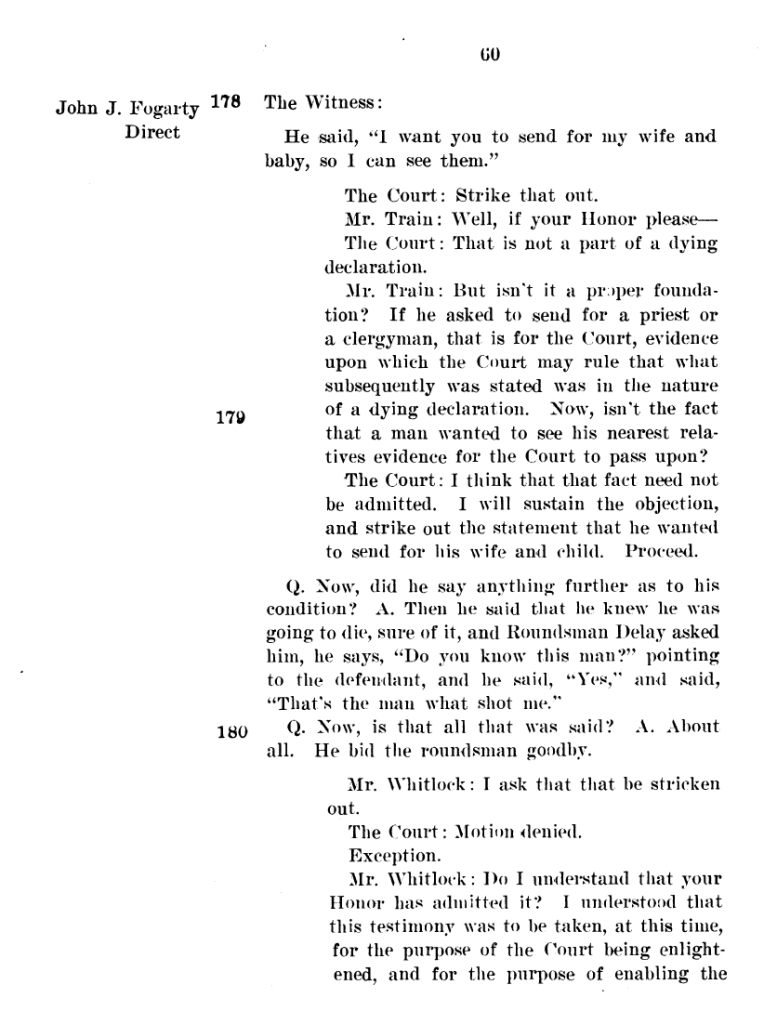
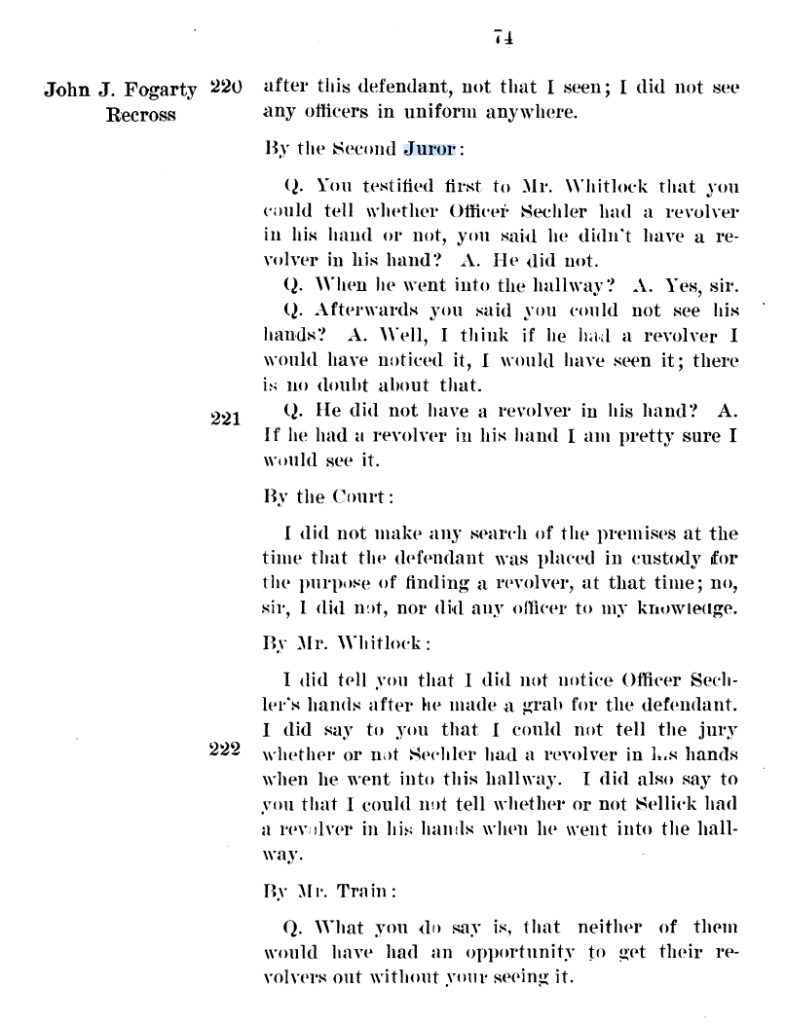
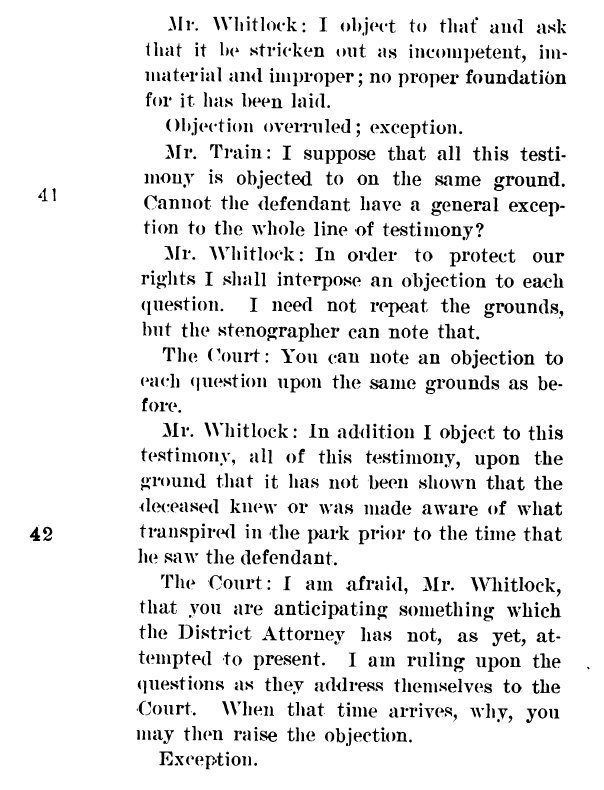
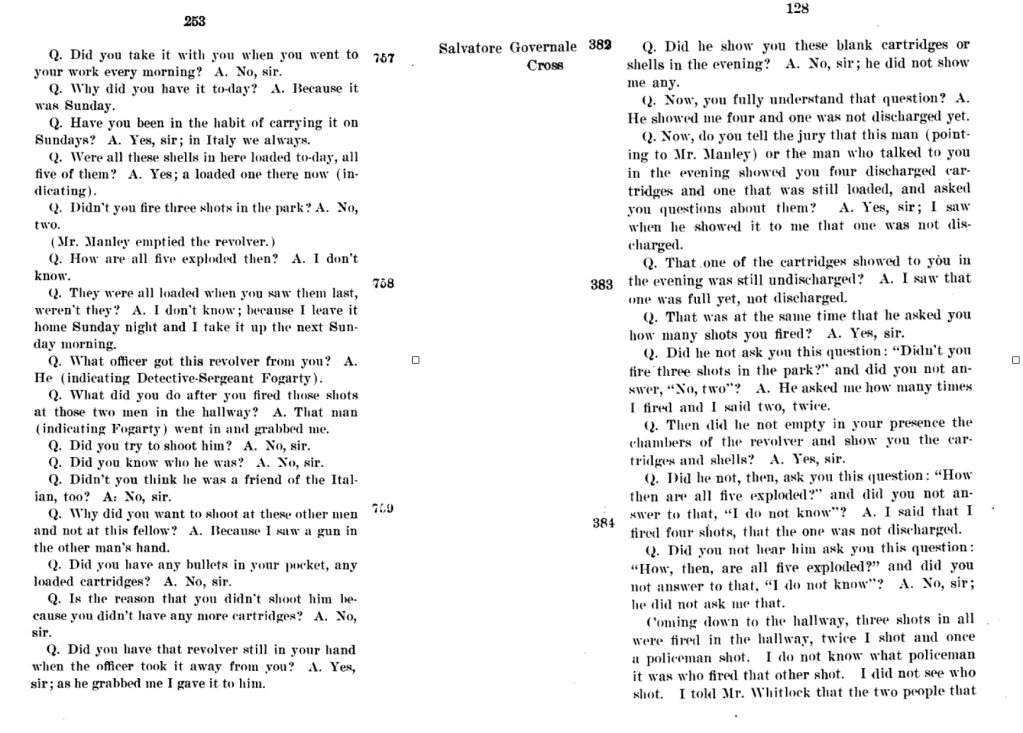
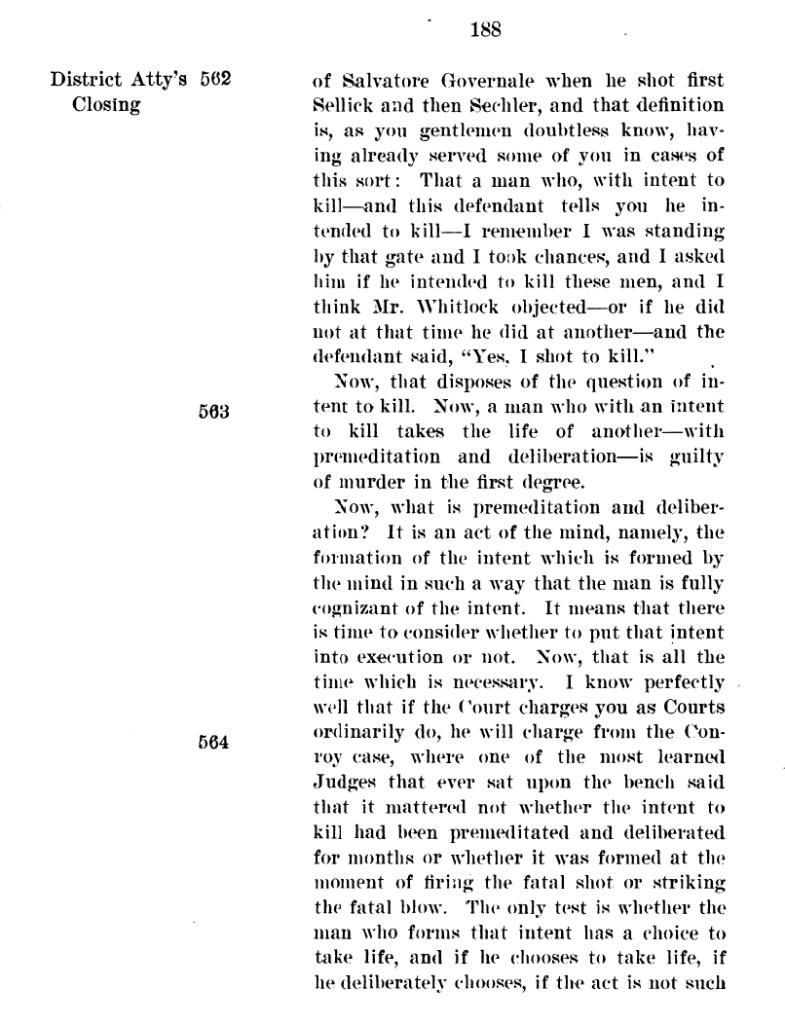
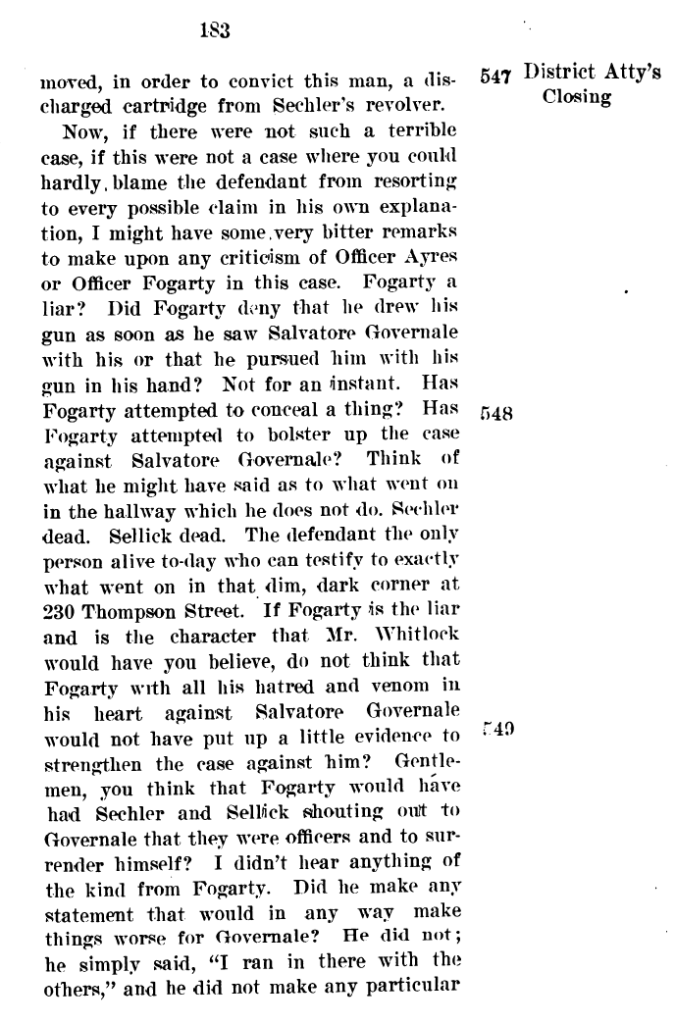
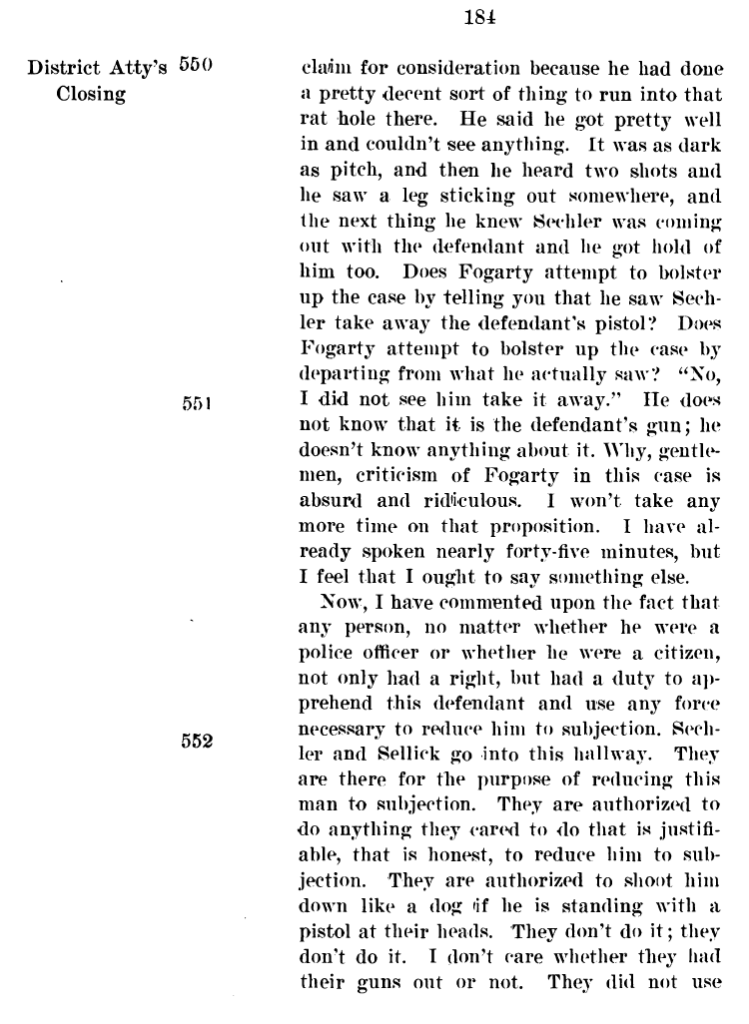
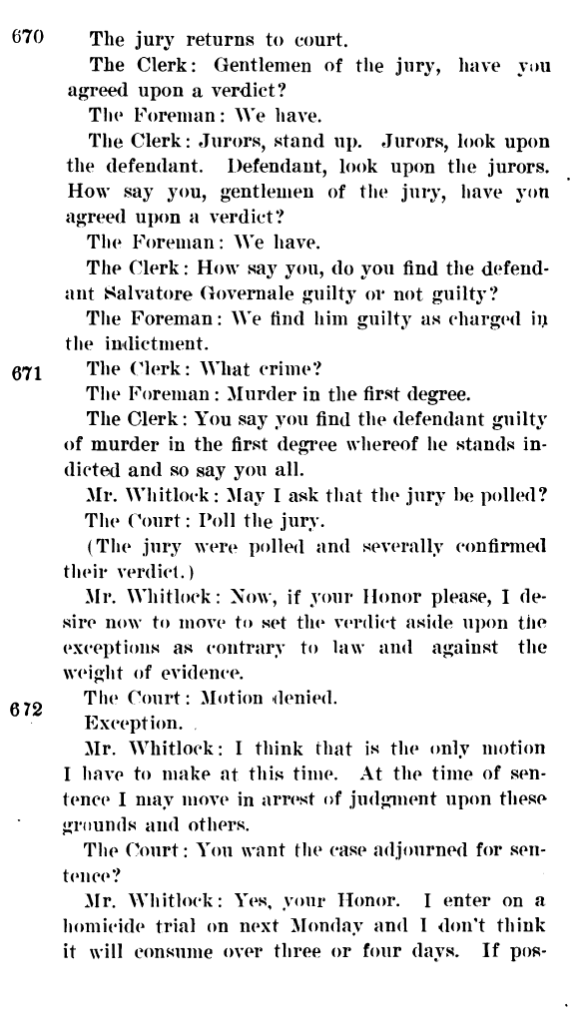
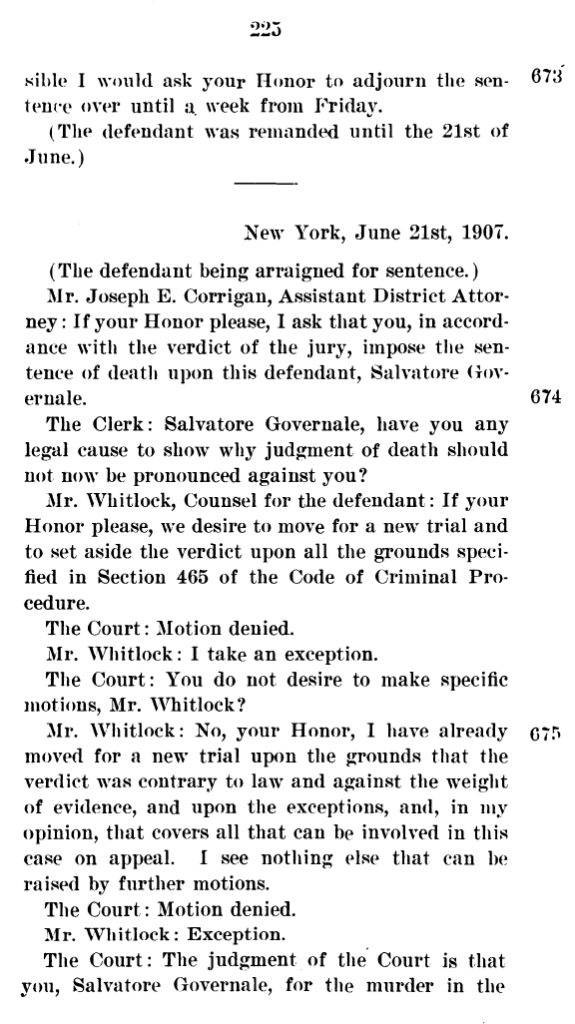
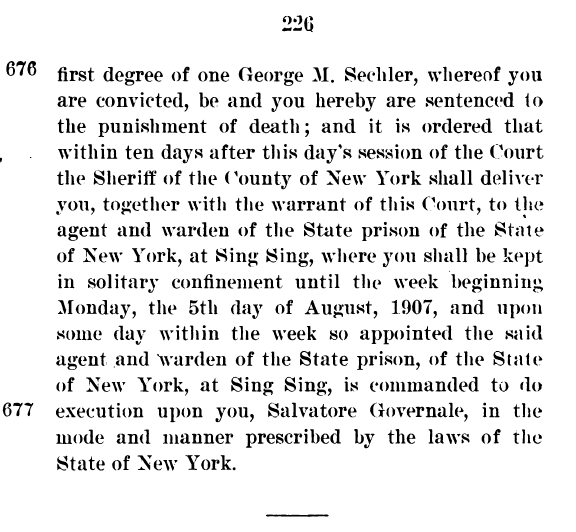
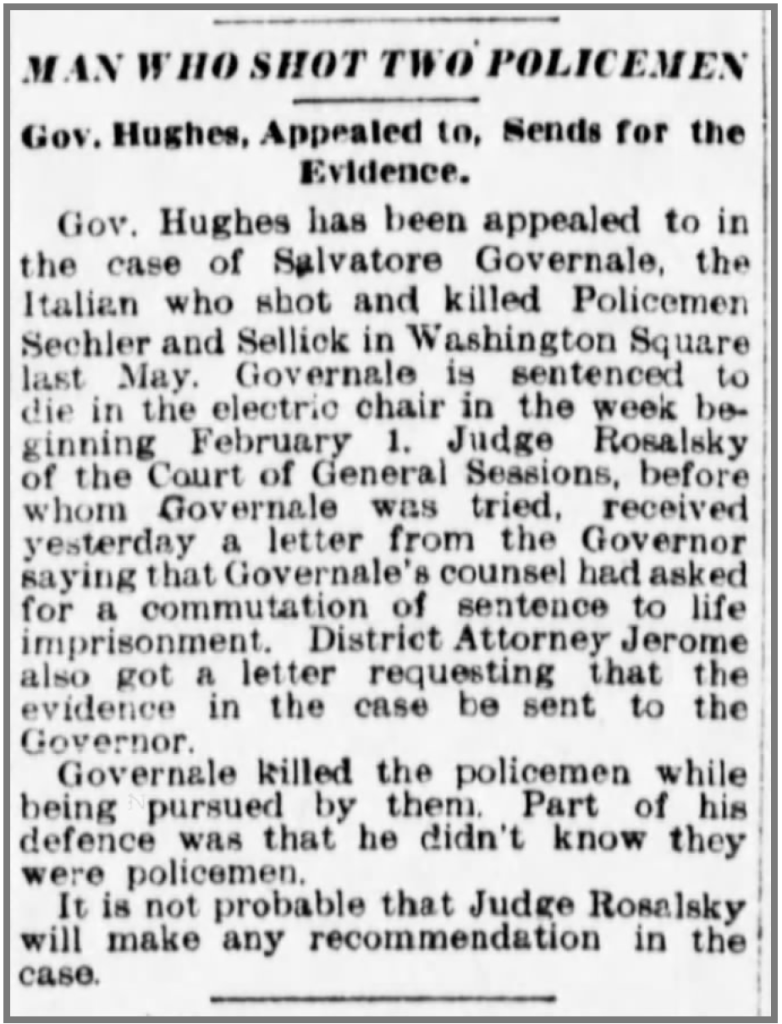
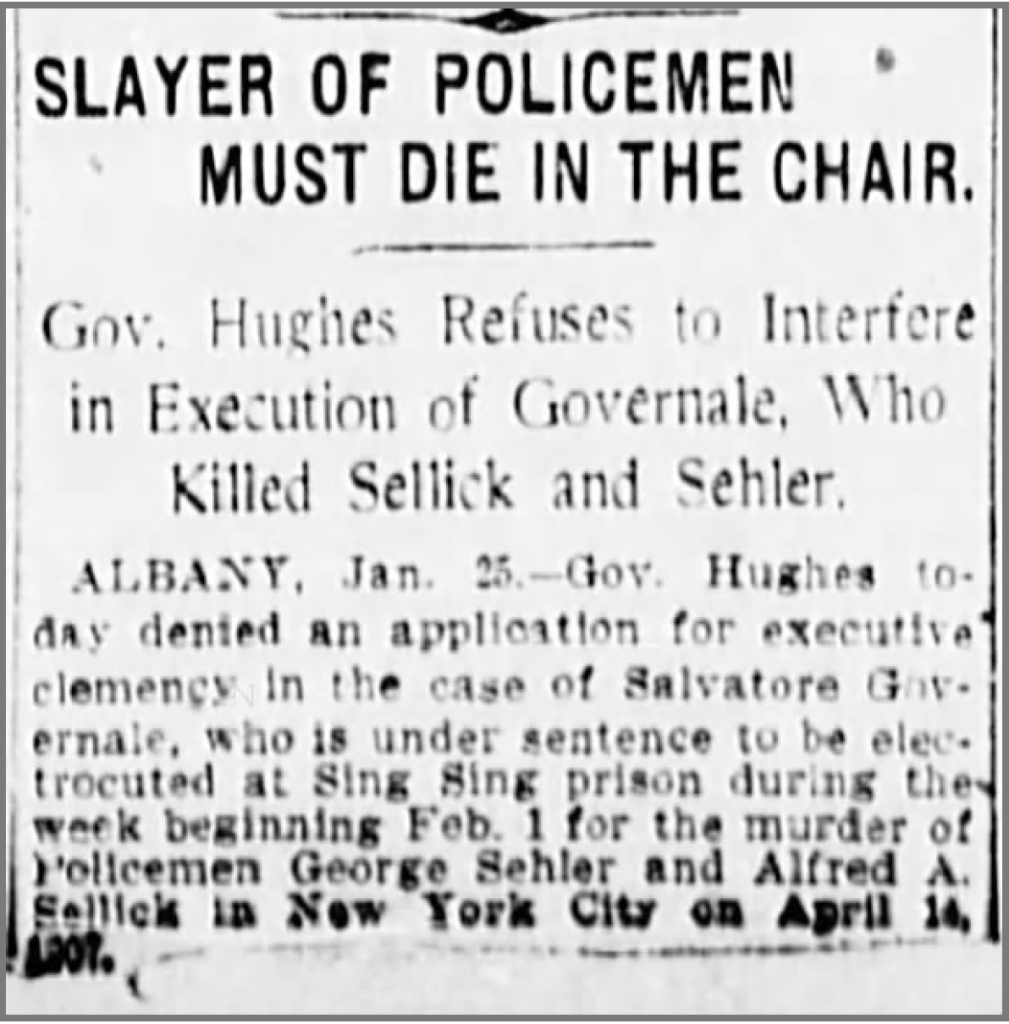
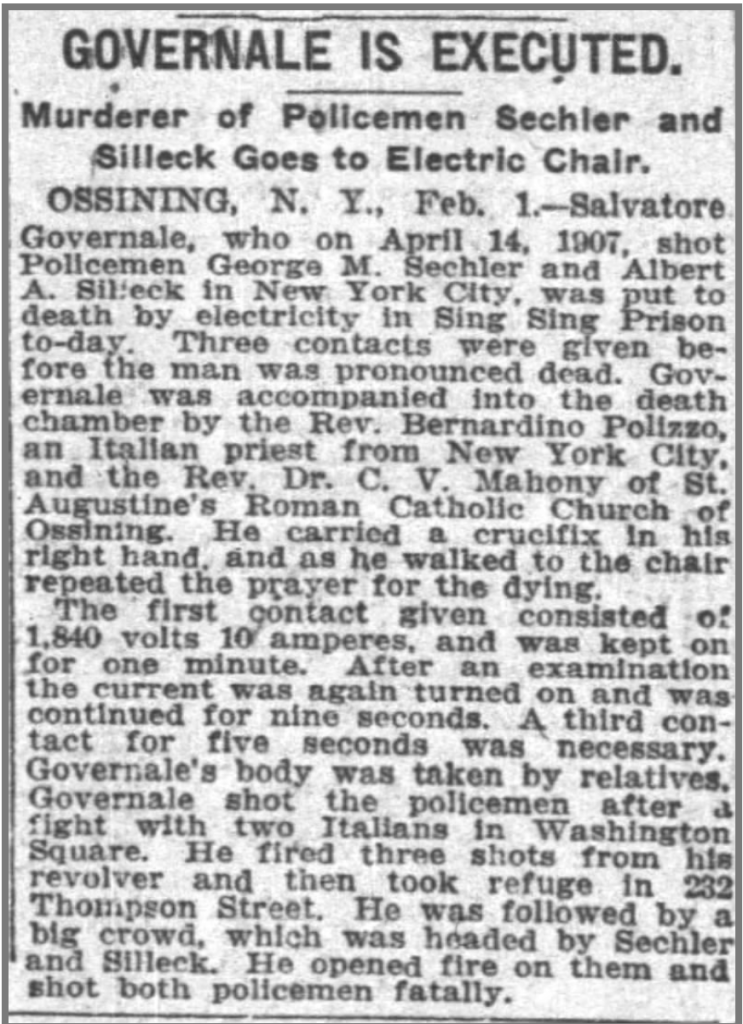
 On August 6, 1866, the General Sherman, an armored and armed side-wheel steamer schooner left Cheefoo, China on a trading mission to Korea, carrying a cargo of cotton, tin and glass. The ship sailed under the United States flag although the venture was undertaken by a British company, Meadows and Co, based in China, and the only Americans aboard were the Captain Page and the Chief Mate Wilson. Two other westerners aboard were the ship’s owner, a British trader named W. B. Preston and Robert Thomas, a Welsh Protestant missionary serving as a translator. Sixteen Chinese and Malaysian sailors made up the remainder of the crew.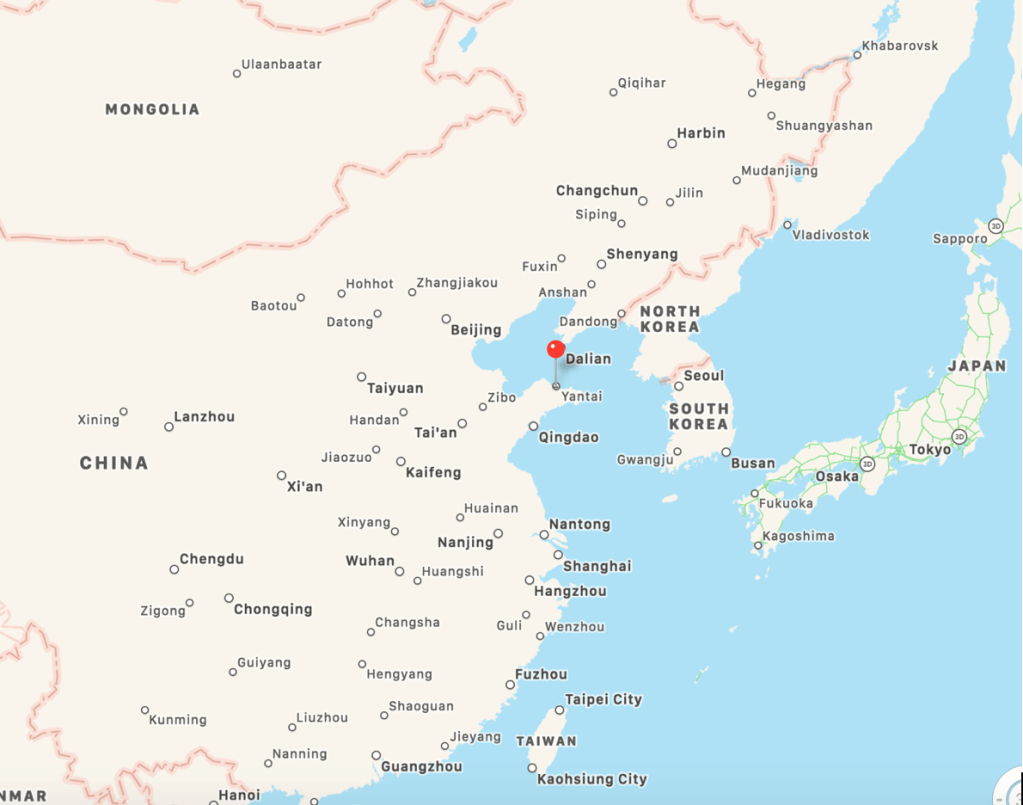
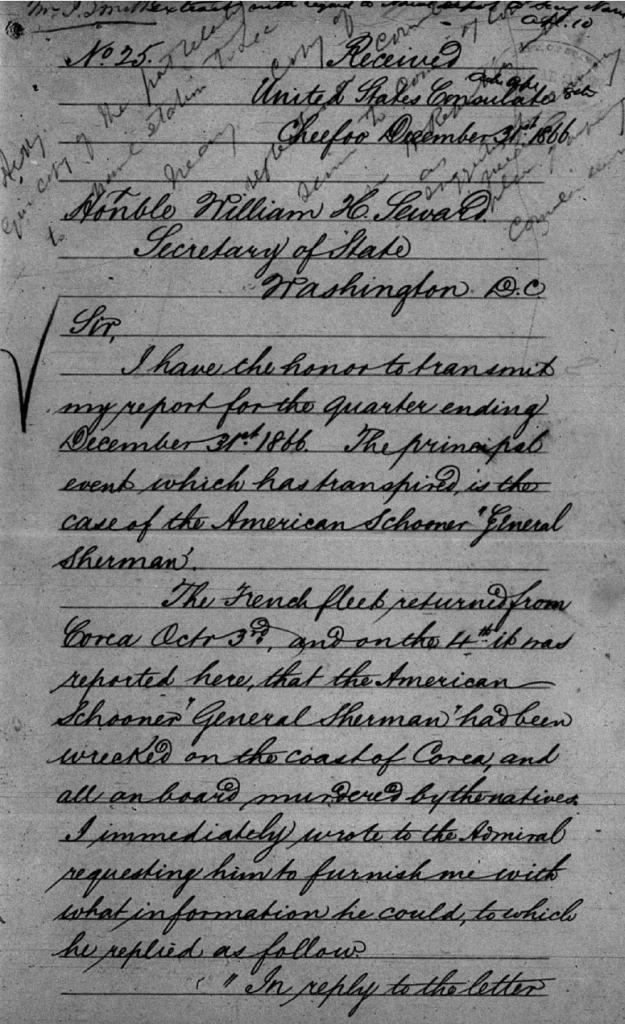
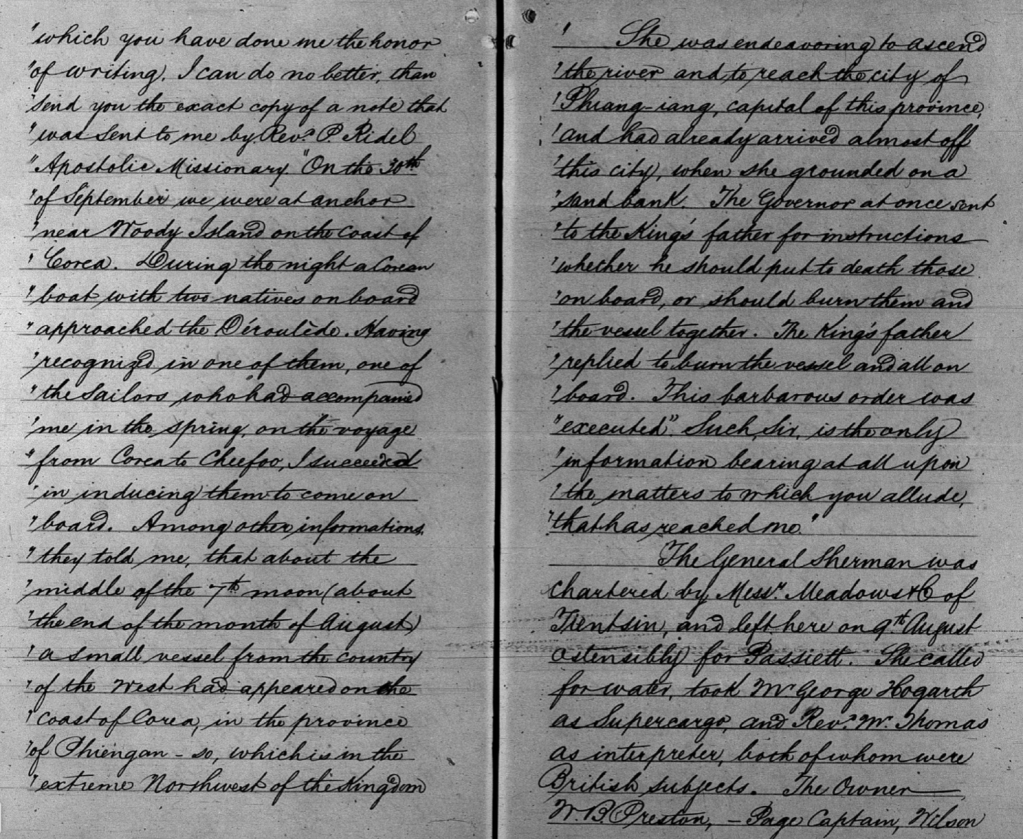
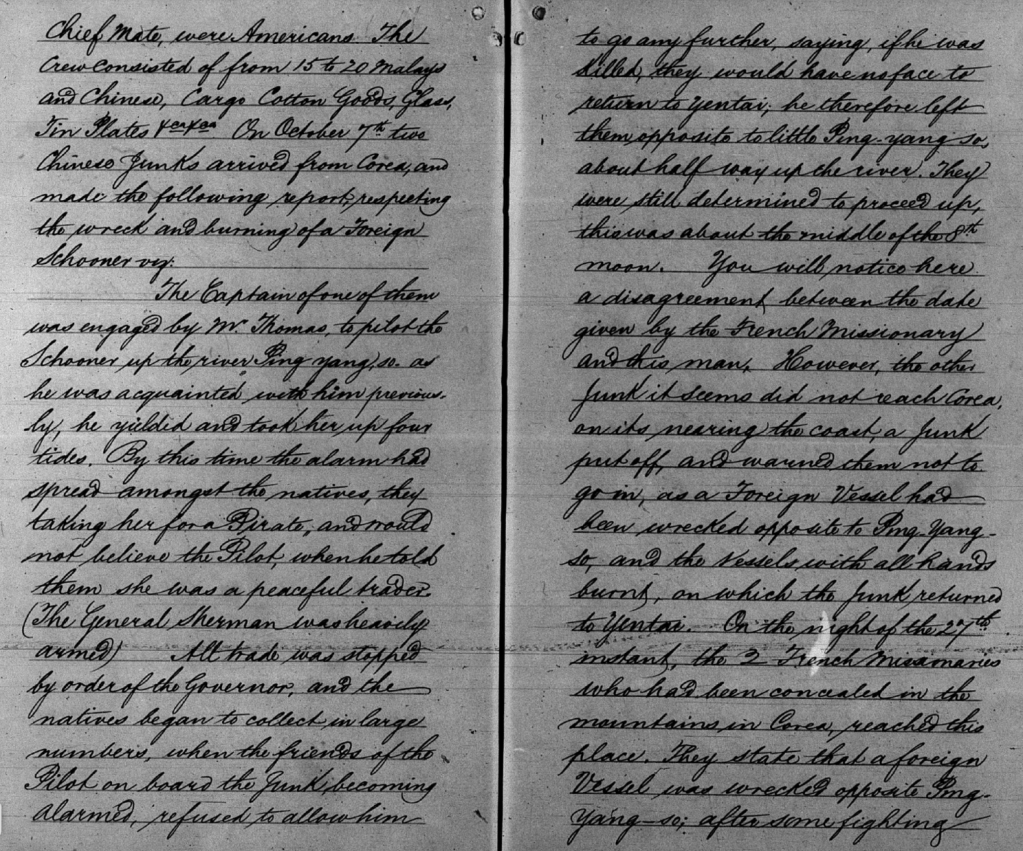

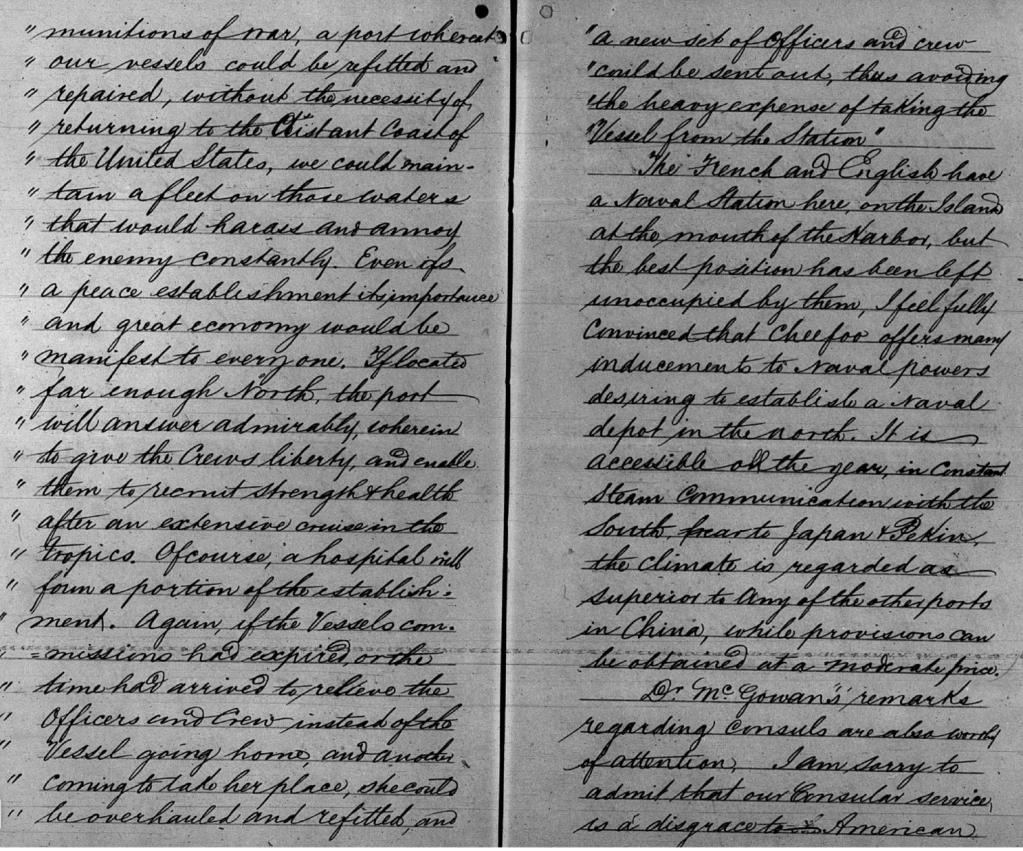
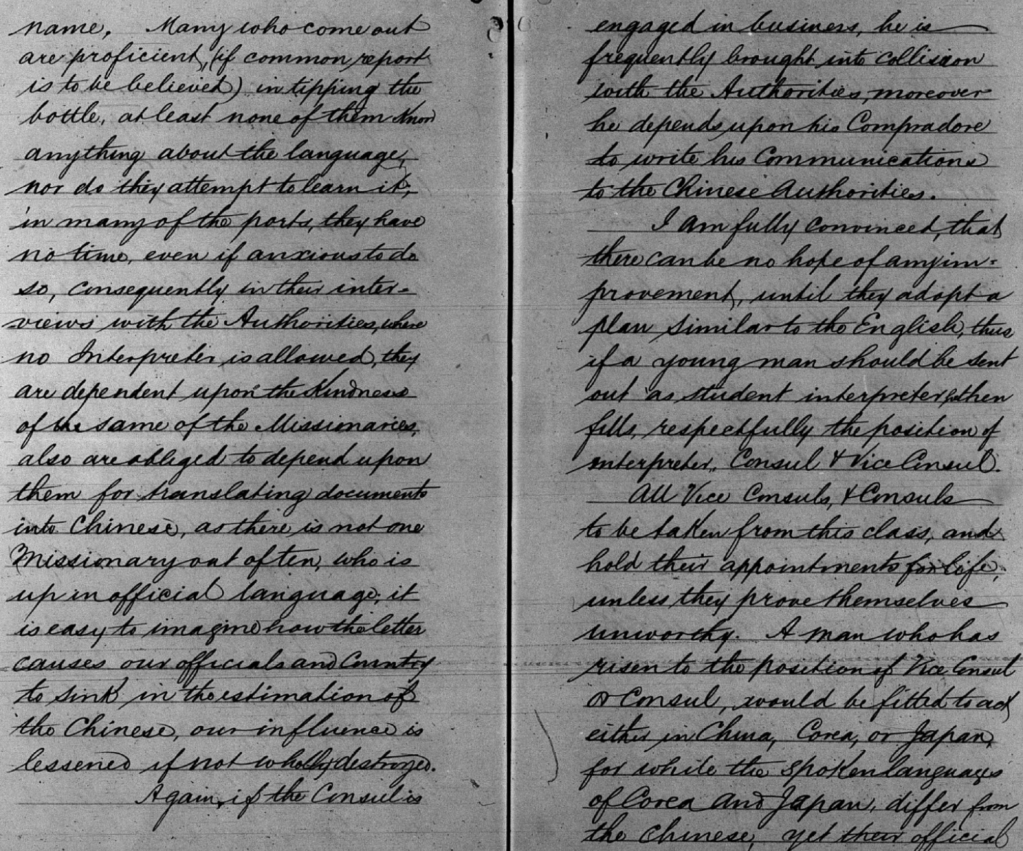
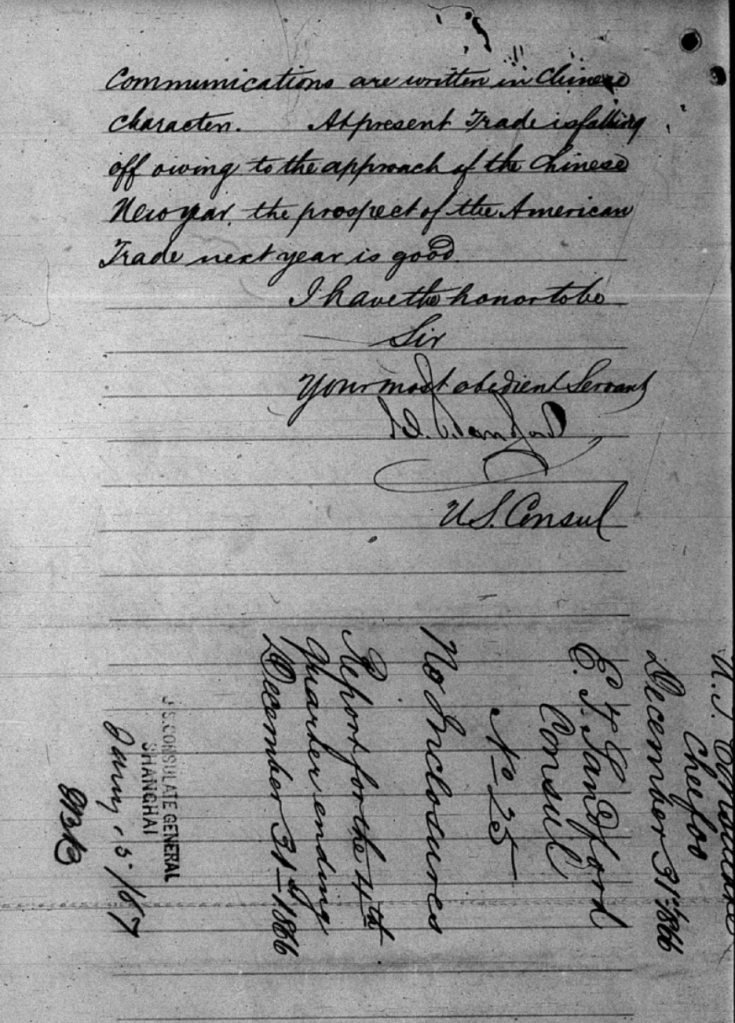
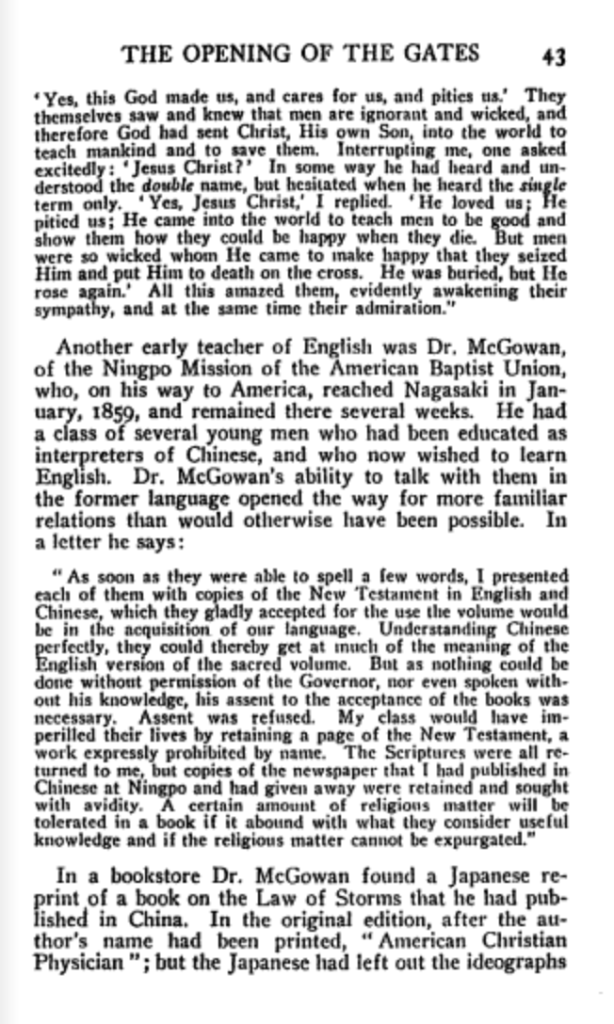
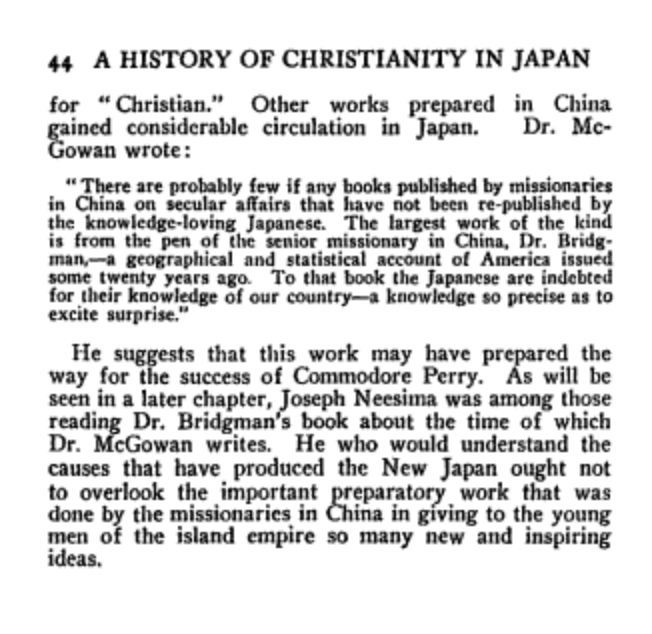
 In our recent examination of the extended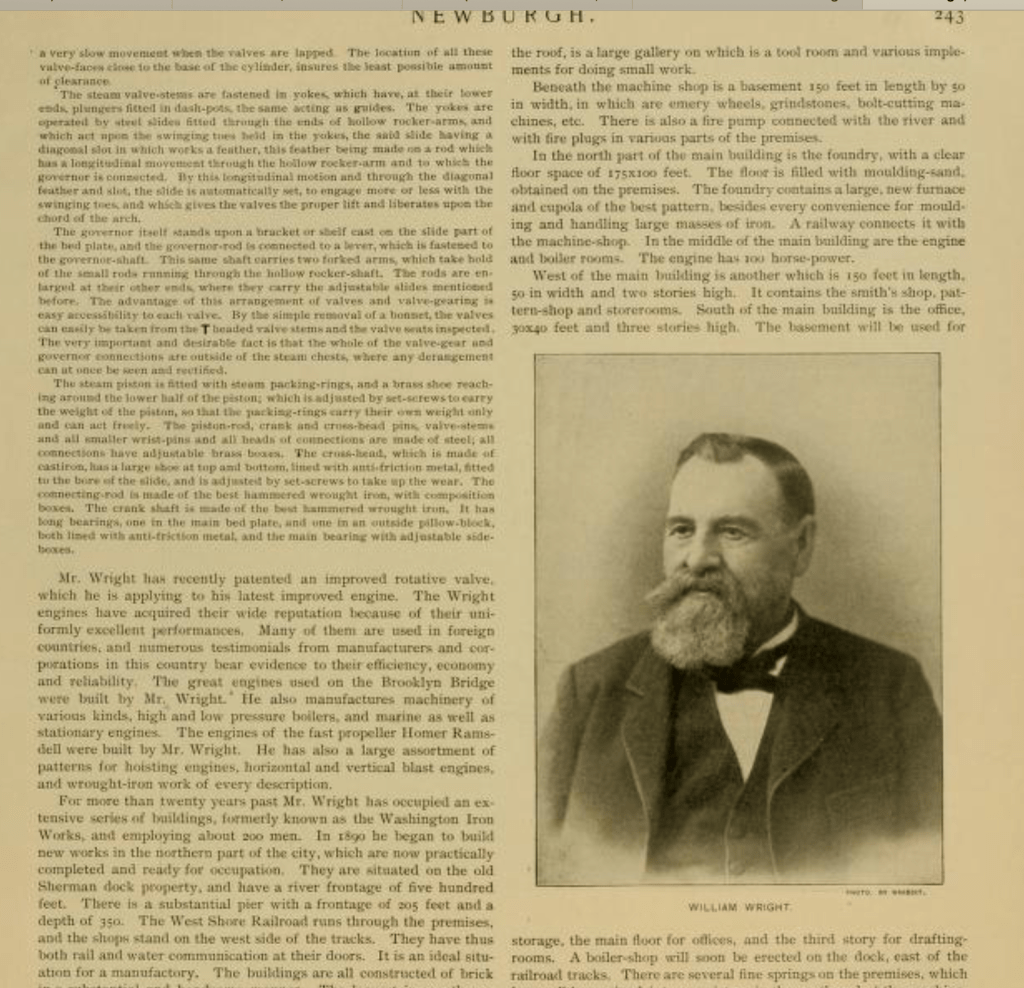
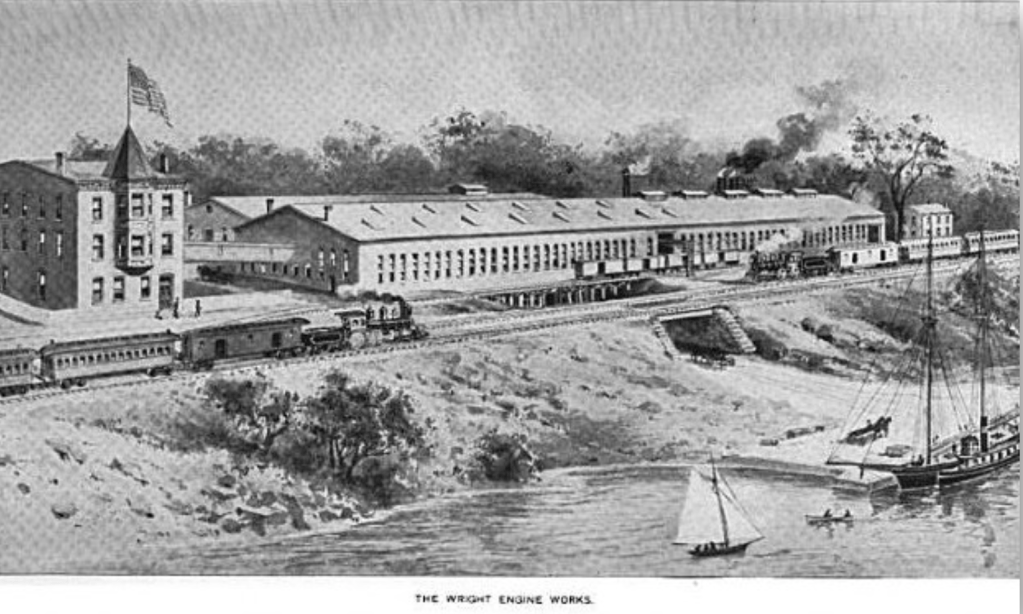
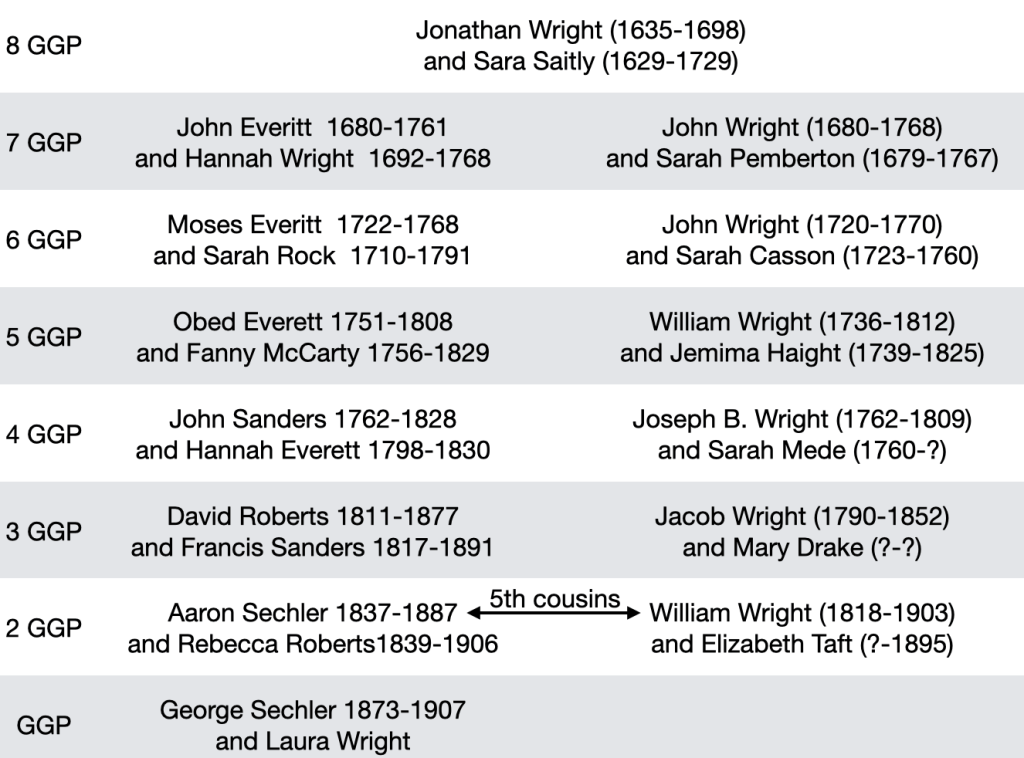
 Bridging the Silences