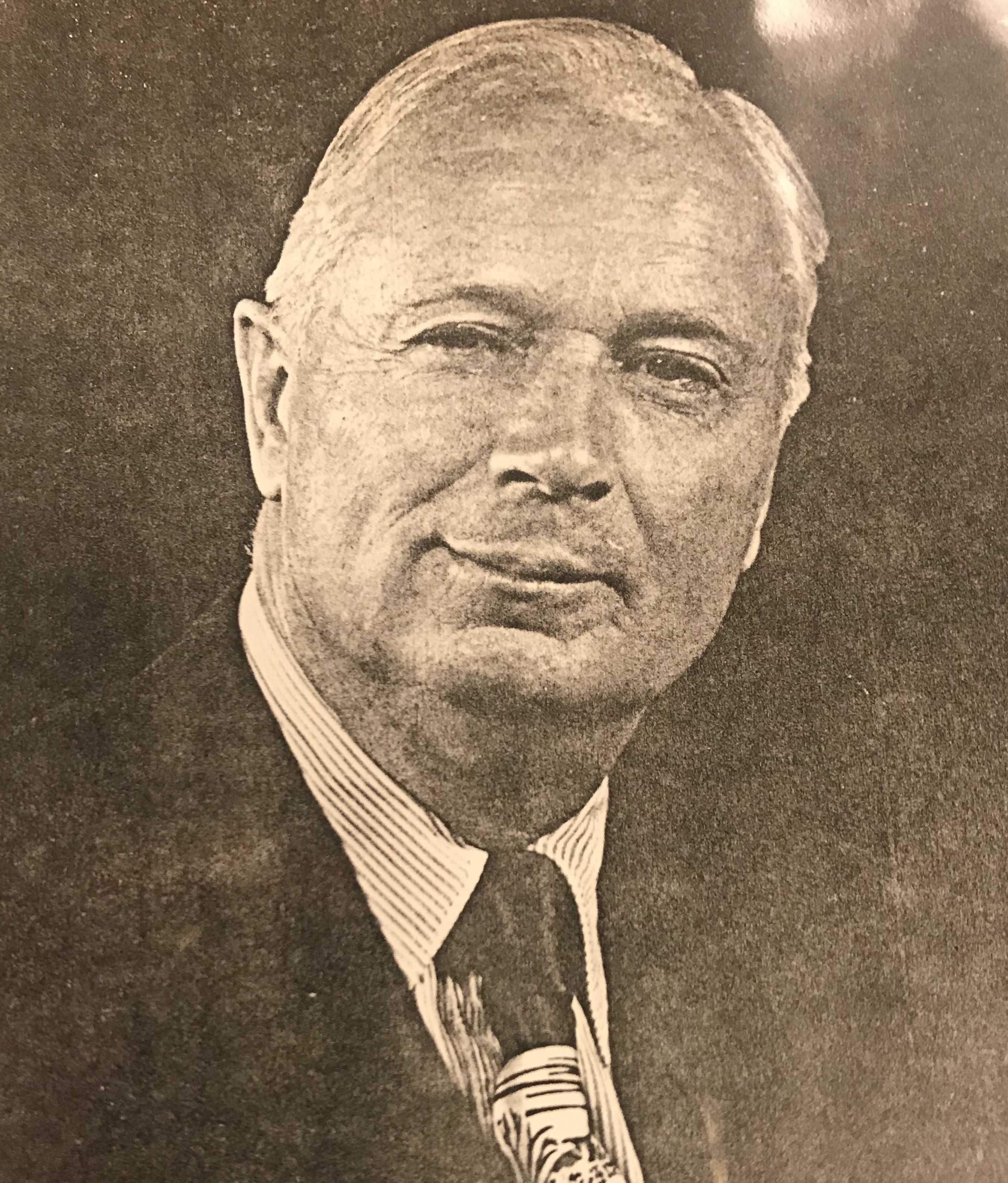
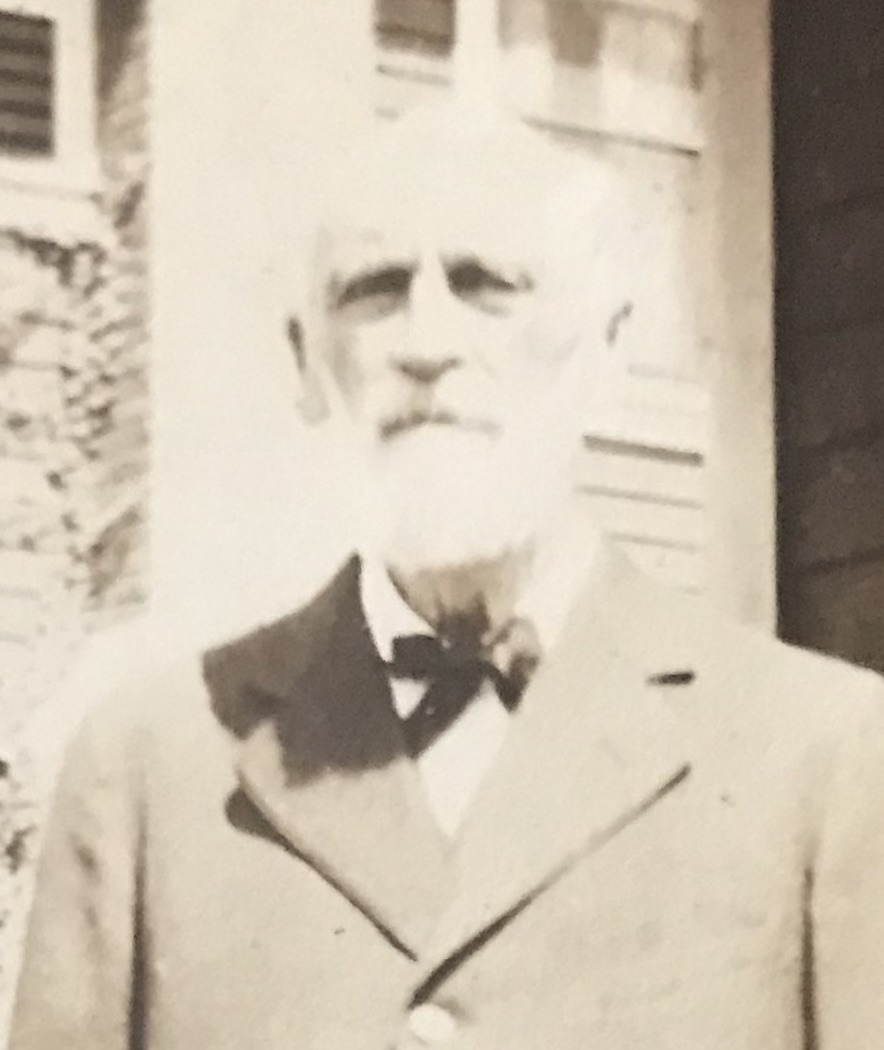
 I’m getting ready to do a sequence of articles on the Sandford branch of the family, from grandfather EJ (Joe) Sandford all the way back to the first Sandfords to come to America in 1634. There is a lot of material and it will take some time. To get things started, here is an account of great grandfather Edward Thomas (ET) Sandford written by his son Joe, I believe in 1966 for a speech he was going to give at the Corona California church where ET preached when he first came to southern California . I got this in the form of a photocopy of a 4 page typed manuscript that my father gave me years ago and which was one of the first things I looked at when I finally opened the “family history stuff” file that had been gathering dust in my files for many years. Errors in the original have been left uncorrected.
_______
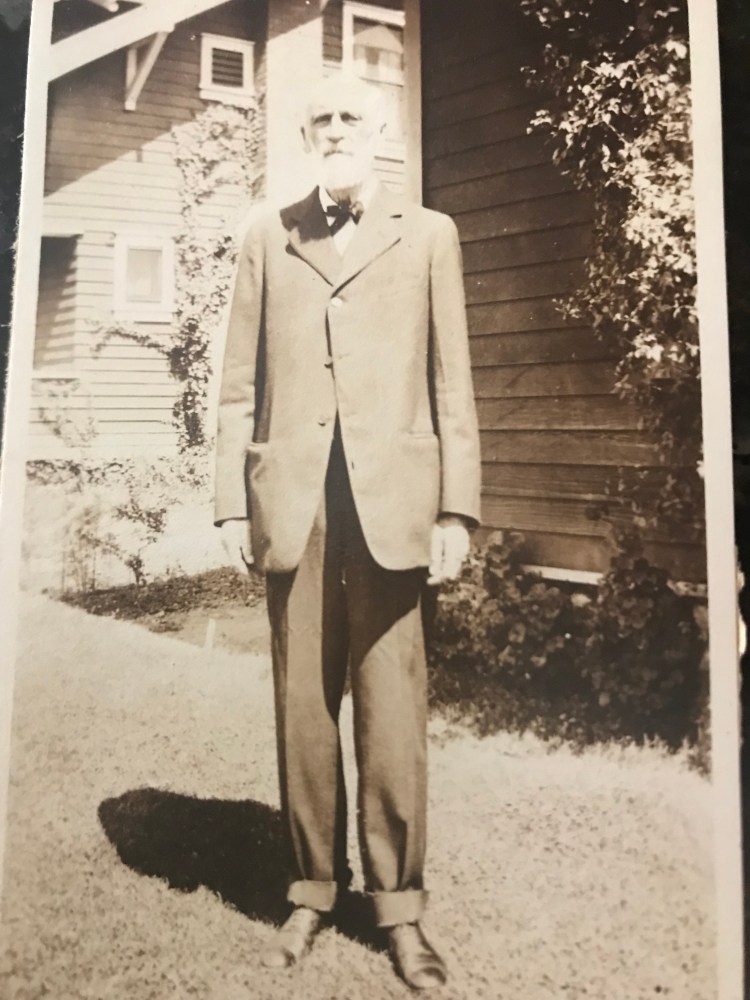
Narrator – The Rev. E. T. Sandford was pastor of our church from 1897 to about 1907. He will be represented by his son, E. J. Sandford of Ontario.
E. J. Sandford – ‘My father was born on August 23 1840 in Topsham, Maine.
He had the fortune to be active during a very important period.
His Uncle Thomas Sandford owned a fleet of Clipper Ships that sailed the Seven Seas.
The opening of the Civil War in the United States found father in Chinese waters on one of these ships serving as First Officer.
He was anxious to share a part in this War and became an officer on one of our Naval ships serving for one year.
Returning to Maine he became Captain of the First Maine Cavalry. Soon his Regiment was transferred to Washington, D. C. and became the First District of Columbia Cavalry.
He saw much action to the South of the Capitol (sic). We have many letters that he wrote to his wife from the battle fields and they are very personal, historic and valuable.
His regiment was one of the first to use the repeating rifle. His men could fire sixteen times without reloading and his writings state that, ‘The Rebs could not understand how this was possible’.
His first hear (sic) wound was through his coat sleeve and in letter informing his wife of the experience he mentions a fellow townsman that was yellow on the field of battle.
During the Spring of 1864 his Regiment was active on the Wilson Raids into the South. On one of these two week Raids they were successful in getting through the Reb Lines and rode day and night as far South as Weldon, N. C. destroying telegraph lines, depots, bridges and rail equipment.
The found ample food in the South and he wrote his wife that she must not believe the news reports that the South was short of such.
Returning to their base camp in the North he was shot through the groin and felled from his mount. This at Reams Station, Va.
Upon regaining consciousness he crawled through the field, was able to join his Regiment. An order was received that they flee leaving all sick and wounded on the field. He ordered a horse and was assisted thereon and rode ‘Ten miles through swamps, jumping fences and reached field hospital.’
In letter written by the Christian Commissioner he states that ‘Dr. Jamison has been very kind to me doing all that he can for me’.
Leaving the field hospital he was transported to City Point and then via ship to hospital in New York City.
Upon recovery and while limping he was asked by the War Department to go to Waterville, Maine as Provost Marshal to straighten out a serious problem.
He accomplished this well and when completed his associates presented him with this Gold Headed Cane on Sept. 28 1864.
On March 3 1865 he was sent to Chee Foo, China as U. S. Consul and his Commission carries the manual signature of President Lincoln. William H. Seward signing as Secretary of State.
He enjoyed this Service and became very interested in the Chinese people deciding to become a Missionary upon completion of this Duty.
Crozier Theological Seminary of Upland, Pa was his school.
Eureka and Santa Cruz, California, and St. Johnsbury, Vt., were his charges and he made many friends in each area.
He informed his family that we could have ‘all of the oranges that we liked so well when we arrived in Corona’. Our home was the Dr. Huff property on West Sixth St. – now a large market and I recall running through the house and out the back door and – there was an orange tree.
Corona was a small and a grand Community at that time. Crown Colony – as I recall
Working with Rev. Burr, pastor of the Congregational Church, they endeavored to call on all new comers to the area welcoming them and extending invitation to become affiliated with their respective churches in the Community.
Father was very interested in the welfare of people and used a bicycle and horse and buggy to make his calls. That was the period of Livery Stables and as I recall he paid $ 1.00 on week days and $ 1.50 on Sunday afternoons for his carriage.
Corona had two saloons around the turn of the Century.
One known as Provencals, and the other, Penprase’s – if my memory serves me correctly.
Each paid a License Fee of $ 300 monthly. A very important item, then as now.
Father Sandford knew these men personally and in visiting with them told them, ‘That while he did not like their business, that they had families. That they probably would like to have the children and wives attend Sunday School and Church, and might require the services of a minister from time to time – and if he could so assist he would be glad to’.
This was typed while ‘Three of my grandchildren – ages from 4 to 9 – were active around me – so please pardon errors’.*
Joe Sandford, Ontario, Calif.
_______
It is the last line of the manuscript that is the basis of estimate for the date it was written. Assuming the three grandchildren underfoot were me, sister Claire, and brother Paul. I was 9 years old in 1966.
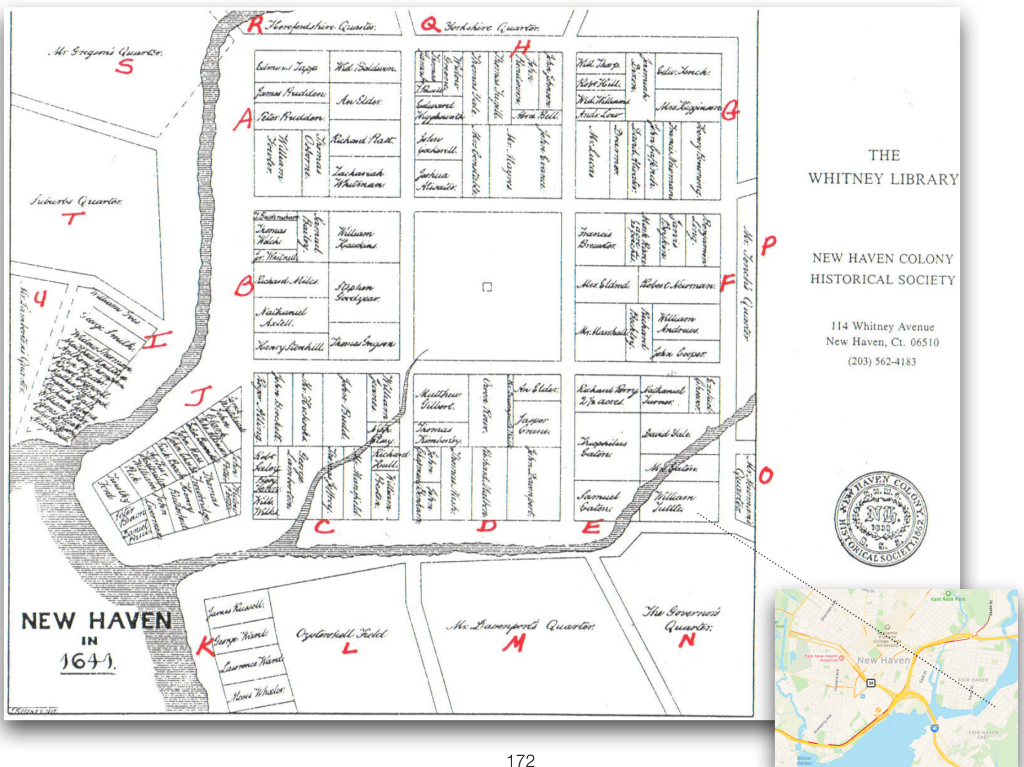
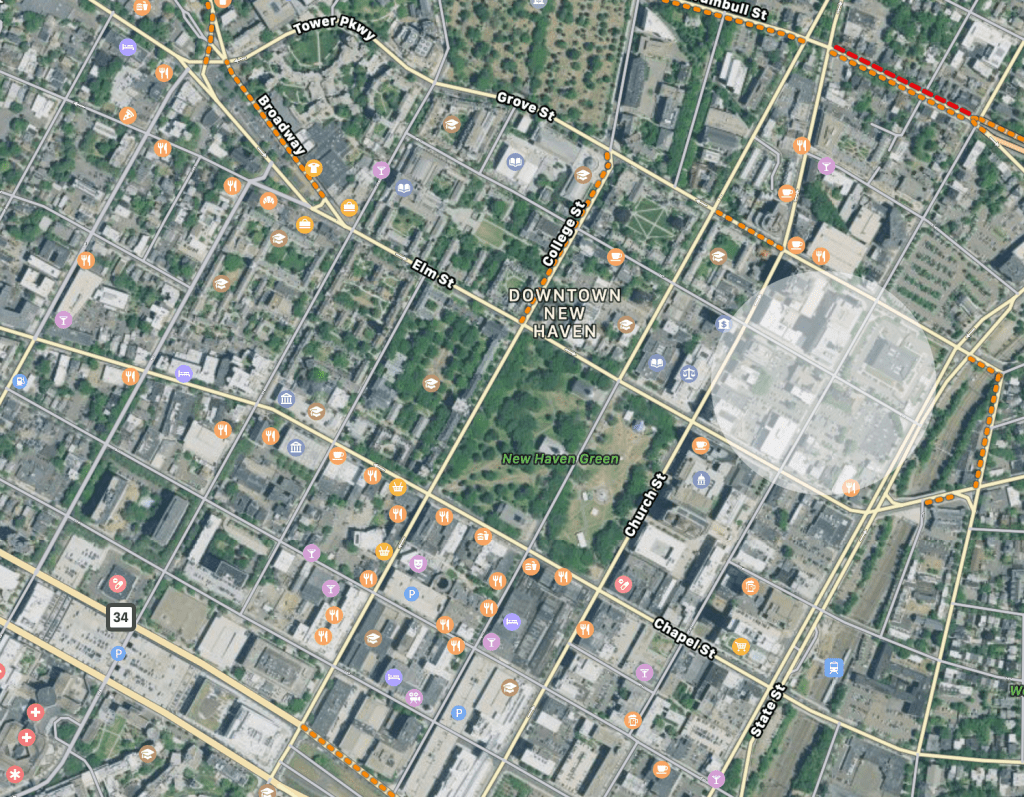
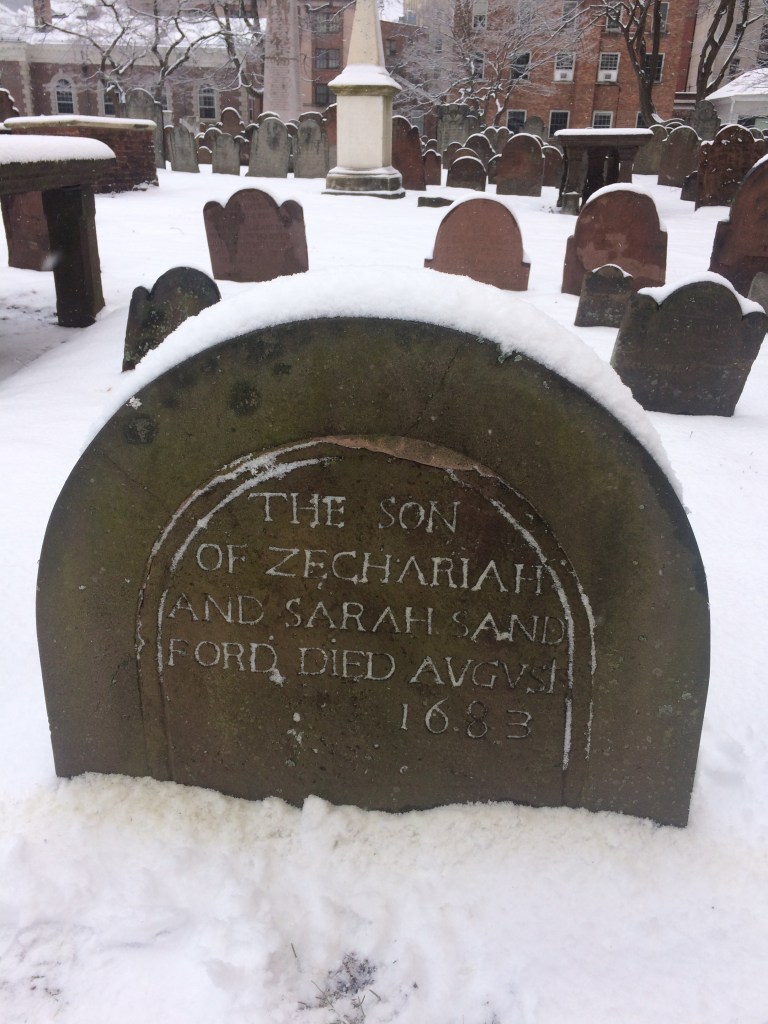
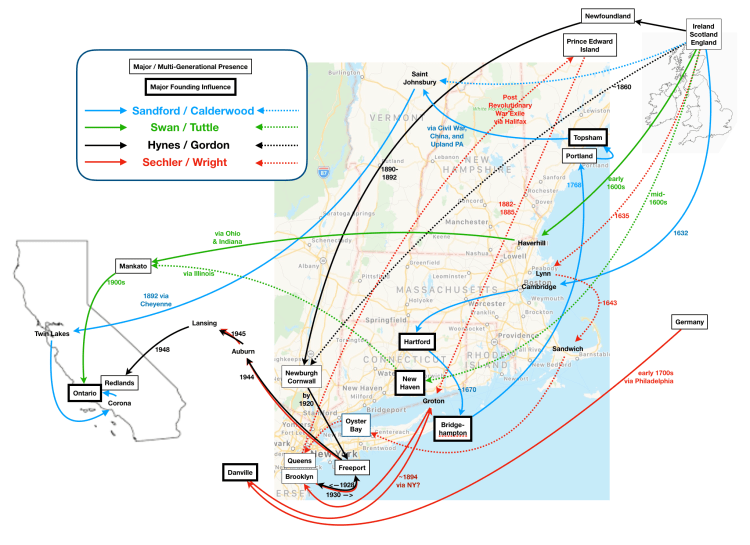
 While Zachariah Sandford was running the inn and meeting house in Hartford, his brother Ezekiel Sandford, our 7th great grandfather, was establishing himself in Southampton, Long Island. Born in Hartford in 1647, Ezekiel appeared in Southampton by 1670, probably in search of new beginnings. Southampton had first been settled around 1640 by settlers who had first landed in Lynn, Massachusetts. (Our Wright ancestors came through Lynn around the same time, settling in nearby Oyster Bay, Long Island). By 1670 there were pacts and regular commerce across Long Island Sound, connecting Long Island settlements with those New Haven and Hartford. Ezekiel may have been responding to word of new opportunities near Southhampton. On his trip, he would have passed through New Haven near the estate of another ancestor, William Tuttle, who lived until 1673.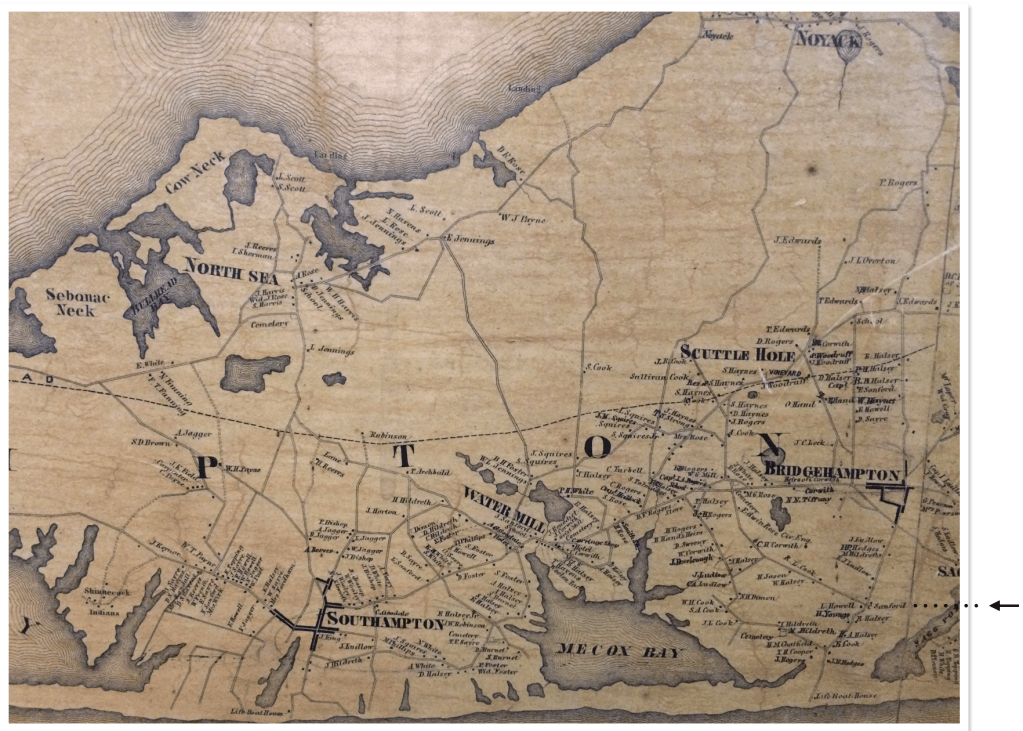
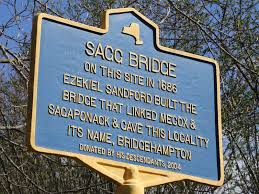
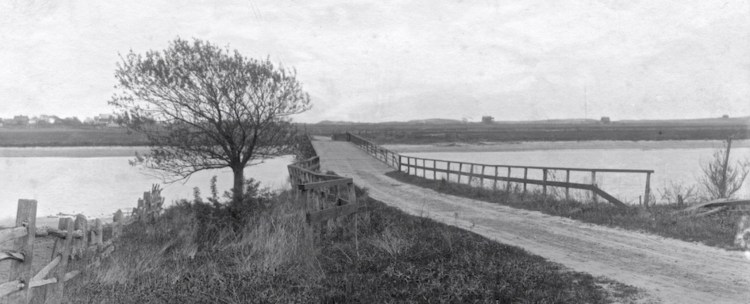
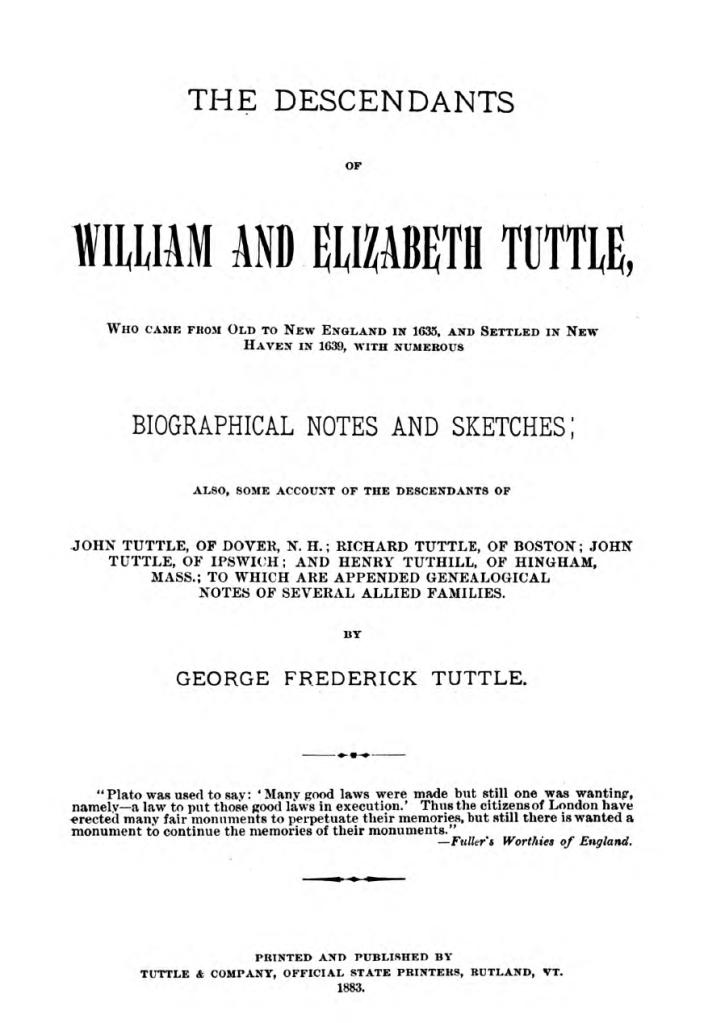
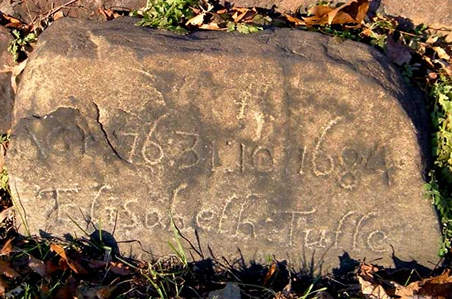
 On the subject of bridge building, I recently found the following concerning 8th great grandfather Jonathan Tuttle (son of William Tuttle) of New Haven. It is from The Descendants of William and Elizabeth Tuttle, written by George Frederick Tuttle in 1883.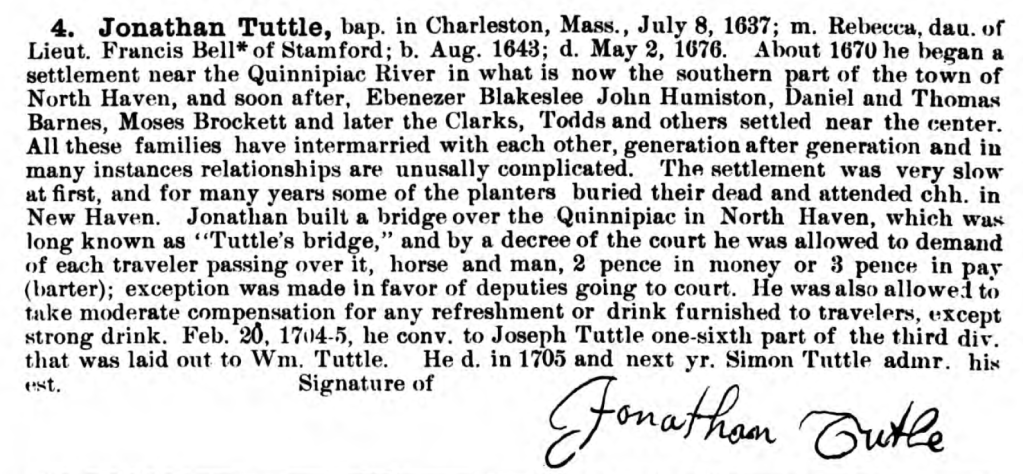
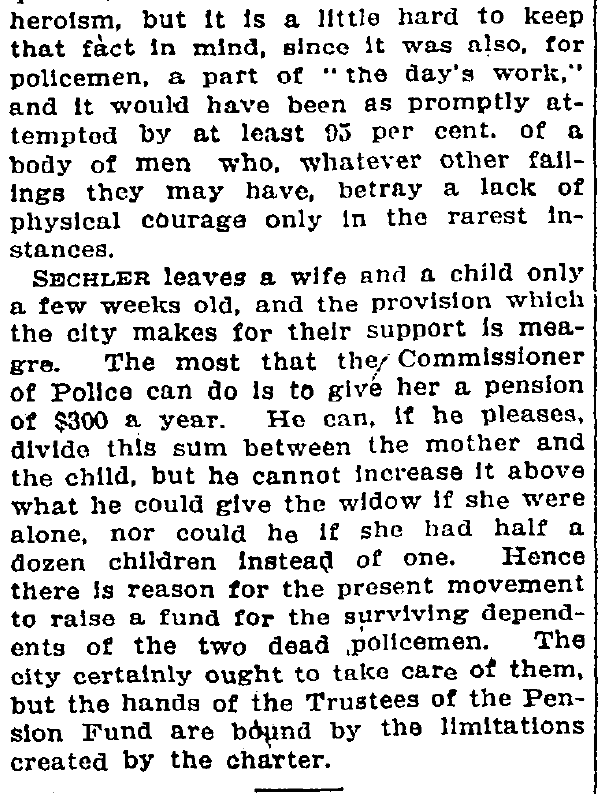
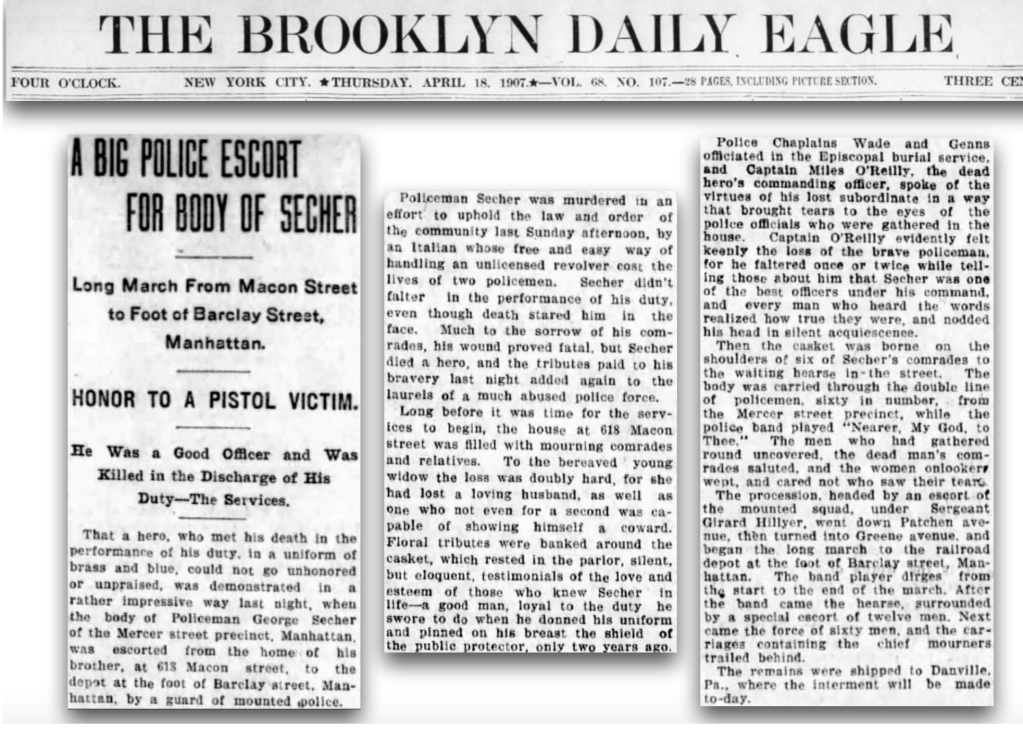
 Wednesday April 17, 1907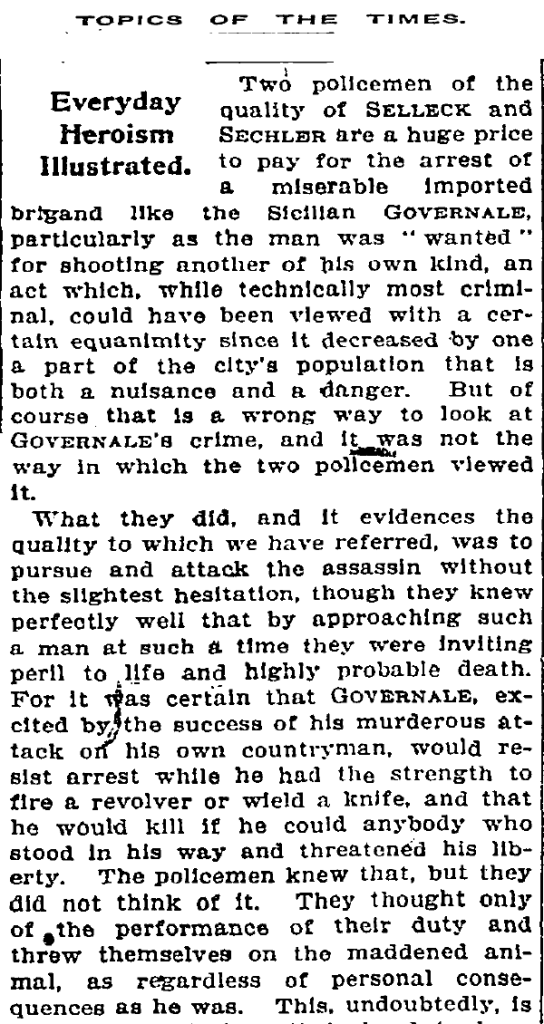
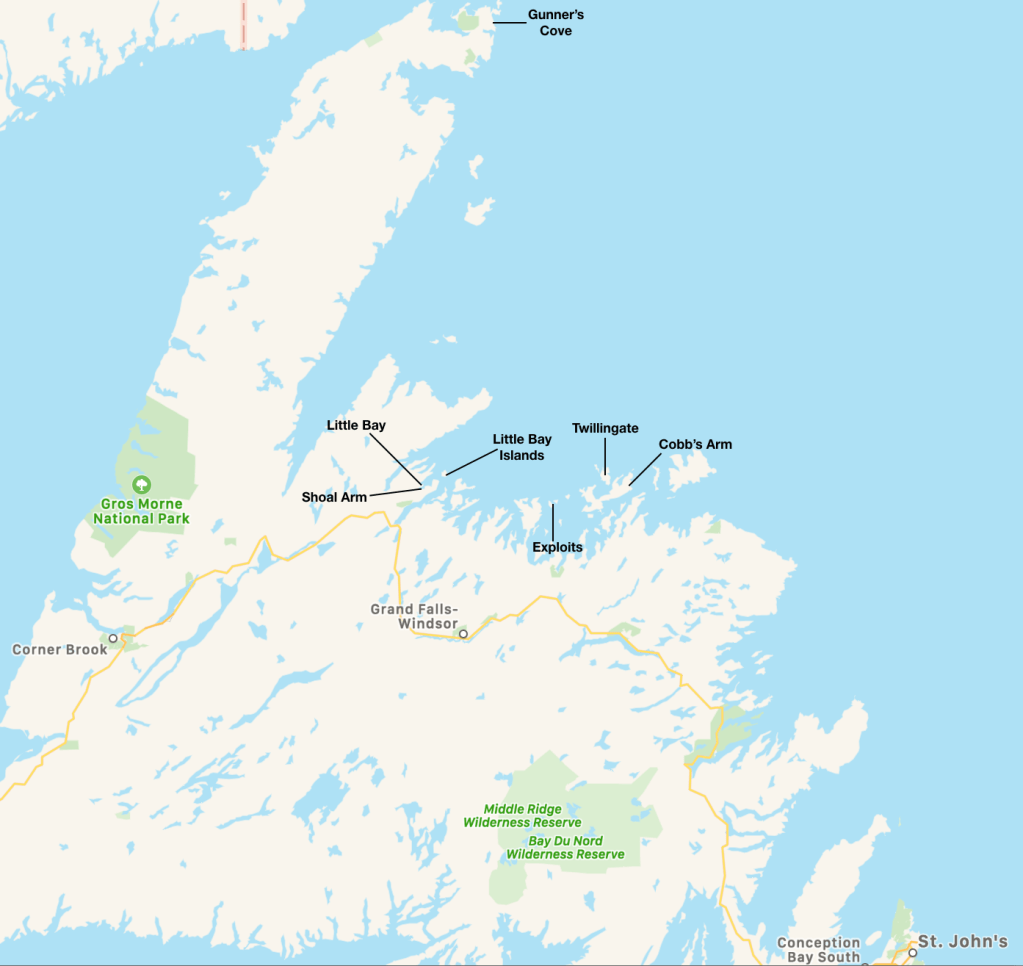
 On New Year’s Day 2020 the last ferry boat left Little Bay Islands, Newfoundland for the Newfoundland mainland. After years of debate, the Canadian government completed its plans to terminate government services to the island, in accordance with a series of referendums in which the residents, in the end, agreed to be bought out.
 Tuesday April 16, 1907
 Bridging the Silences