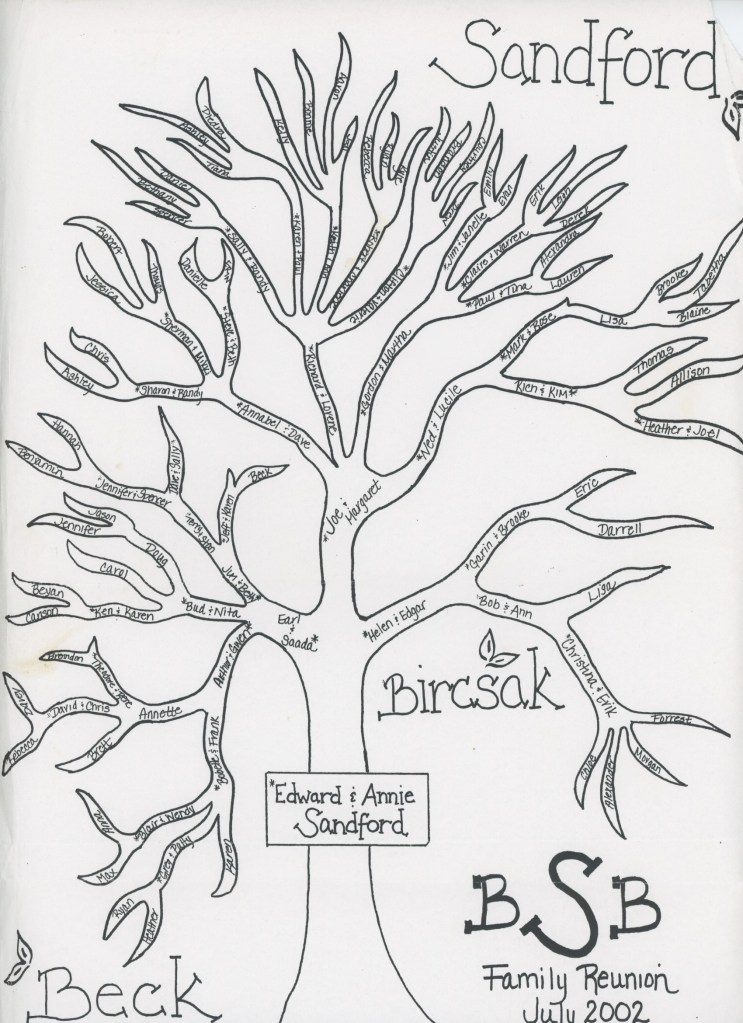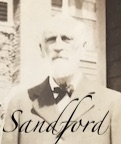
The Sandford Family Genealogy, written by Josephine Sandford Ware

For ninety years, the primary record of the genealogy of our branch of the Sandford family has been the book Robert Sandford and His Wife Ann Adams Sandford with Some of Their Descendants, 1615-1930, written by Josephine Sandford Ware.  This 85 page account has been floating around our family since its 1930 publication.  It can easily be found today on the internet.

Josephine (1865-1950) was a great granddaughter of John Sandford, the patriarch of the other Sandford branch to have left Bridgehampton, Long Island before the American Revolution to take up residence in Topsham, Maine.  Josephine was the same generation as our great grandfather Edward T. Sandford, and is our 4th cousin.  At the end of the 1890s she moved with her husband from Maine to Durango, Colorado where they raised at least one son.  She died in Los Angeles, but is buried in the Fairmount Cemetery in Denver.  It seems likely that our grandfather Joe Sandford knew her (he certainly knew of her) and contributed his and his father’s stories to the book.
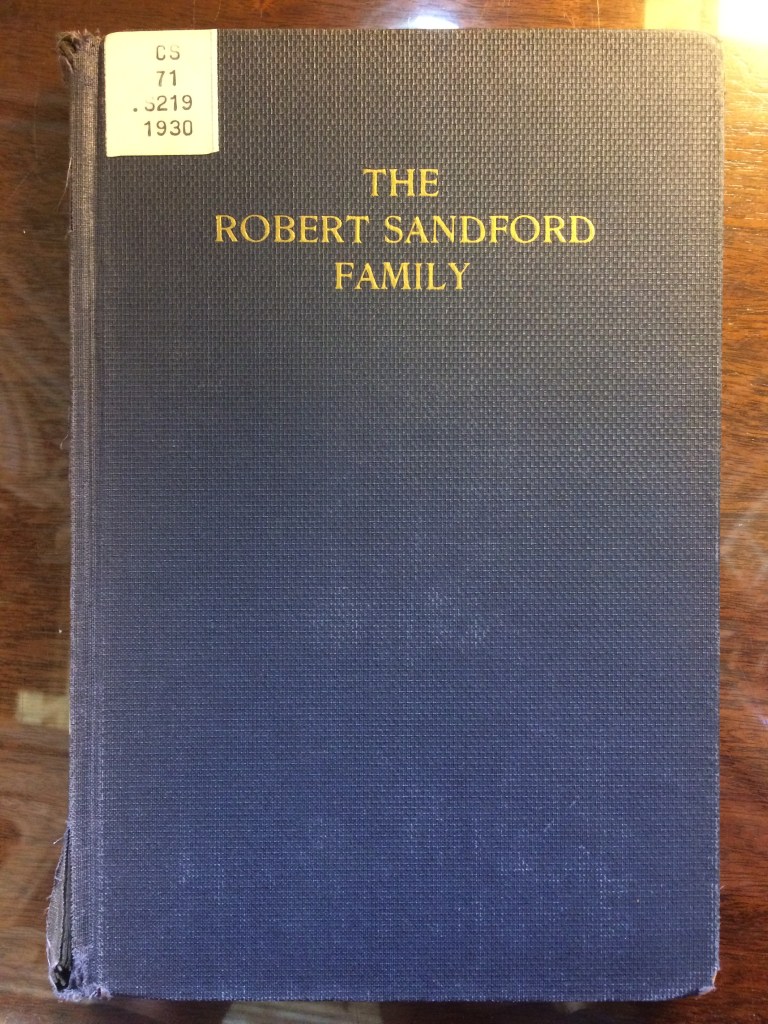
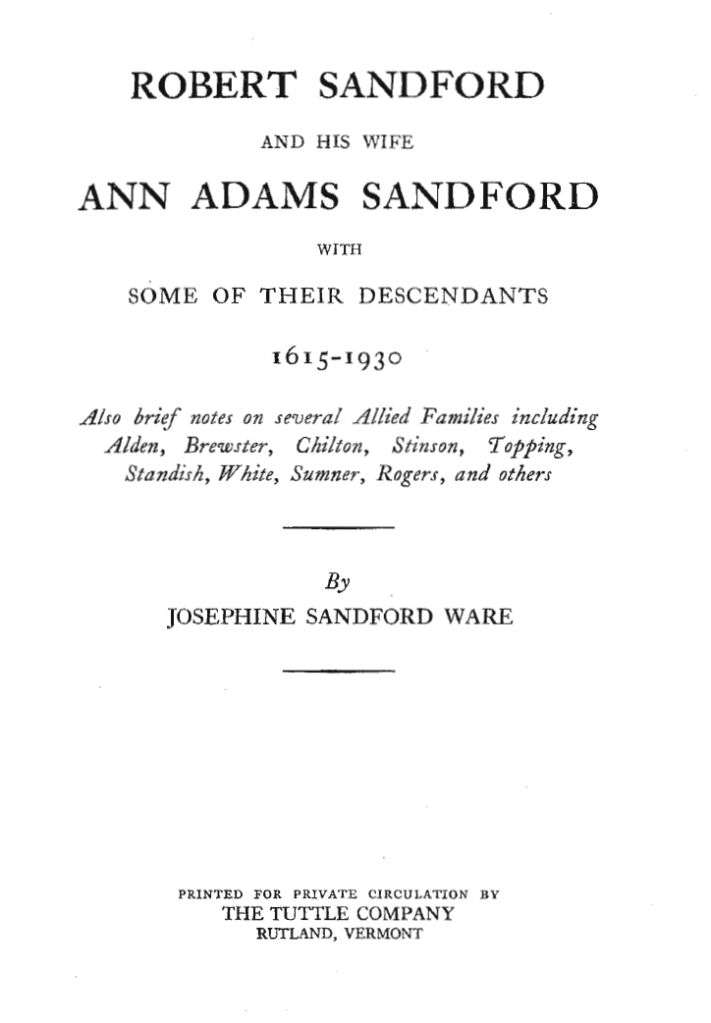
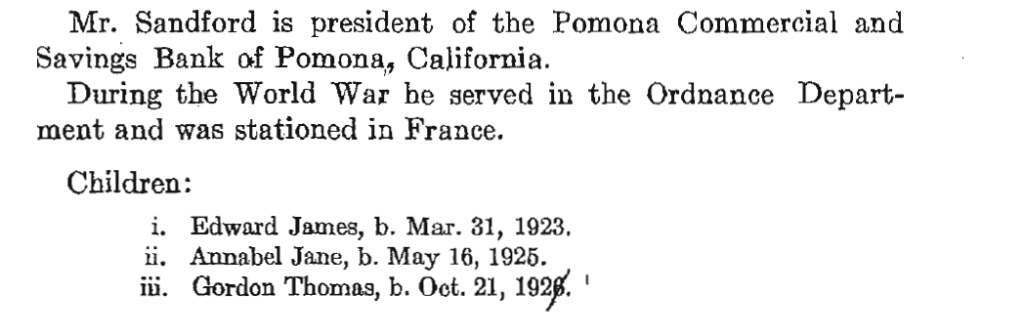
The book follows the standard format established for family genealogies over the past 150 years.  It begins with the three Sandford brothers (Robert, Thomas and Andrew) coming to Connecticut with uncle Andrew Warner around 1634, then follows Robert’s line down through the centuries.  One branch of the tree ends with grandfather Joe Sandford and names his first three children including our father Gordon Thomas Sandford (with a typo—he was born in 1929 not 1926).  
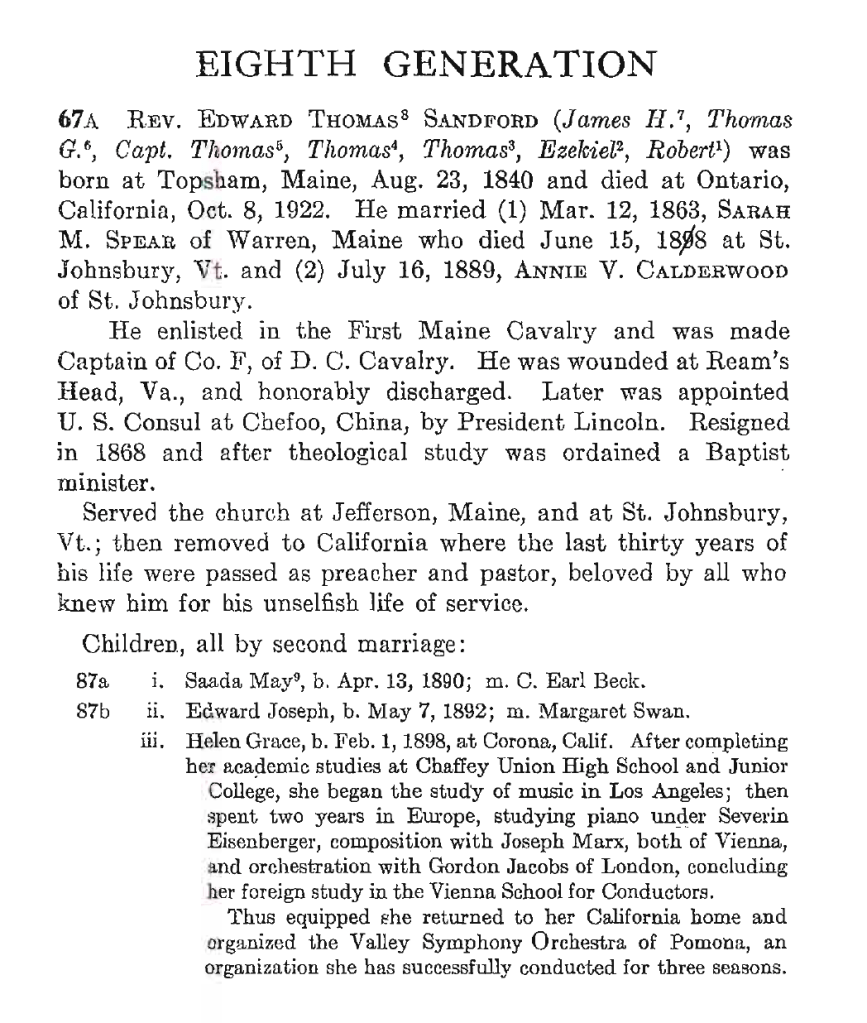
Page 64 description of Edward Thomas Sandford in Josephine Sandford Ware’s book on the Sandford family genealogy.
(Note: Sarah Spear died in 1888, not 1898 as shown in the text.)
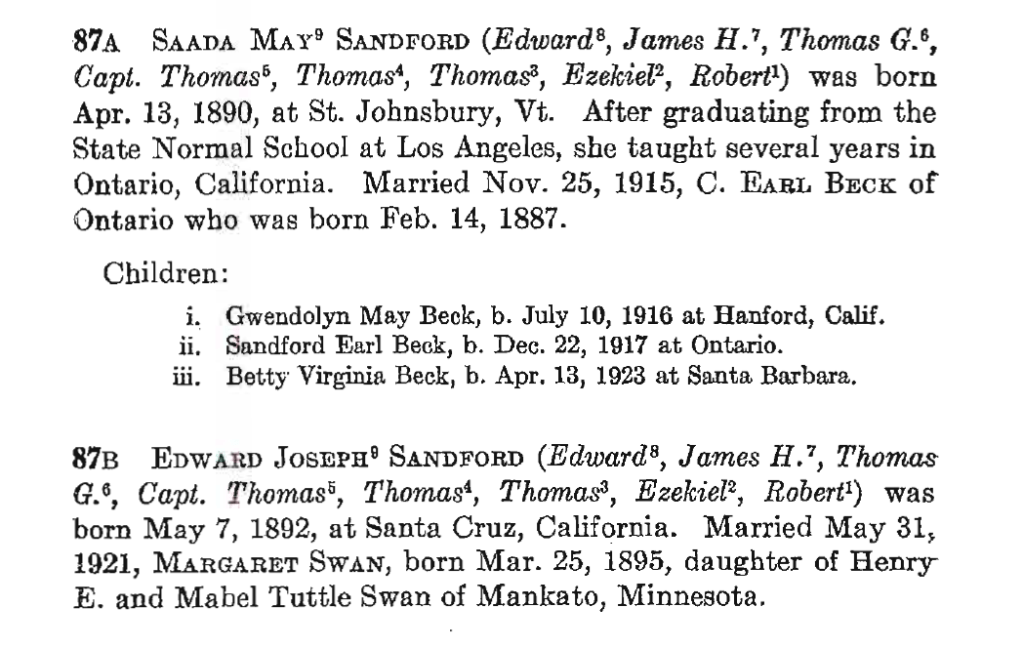
Page 75 (Ninth Generation) Description of Joe Sandford and his sister Saada. His sister Helen’s information appears on page 64 since she had no children at the time.
(Note: Gordon Sandford was born in 1929, not 1926)

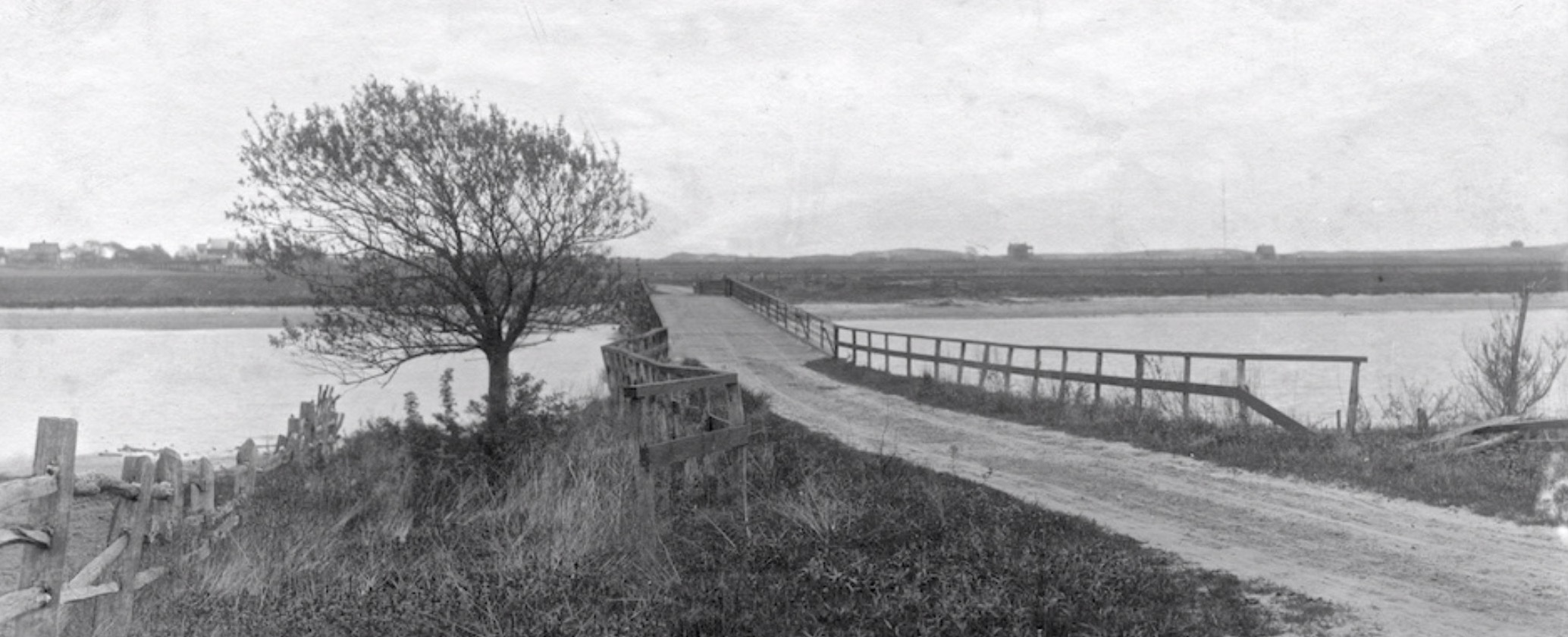
In 2019, Janelle and I traveled to Bridgehampton to see the Sag Pond bridge and other sites.  There we met seventh cousin Ann Sandford, who has written books on Bridgehampton and her branch of Sandfords, and Julie Greene from the historical society.  It was good visit and came with a bonus—our introduction to another Sandford genealogy, The Sandford/Sanford Families of Long Island, Their Ancestors and Descendants written by Grover Merle Sanford of Farmingdale, New York, published in 1975.  (Spellings of the name alternate with and without the extra “d” in various branches of the family.)  It quickly became evident that this was the preferred source used by the Bridgehampton folks, so I photographed several pages (and have since copied the whole thing from the Library of Congress) with the intent of comparing notes.

The first sign of trouble was in a paragraph on the original Robert Sandford account we read while sitting in Julie’s office:

Robert’s wife was named Ann, who was not the daughter of Jeremy Adams, as sometimes stated.  The only clue to her identity is the statement made by Winthrop in 1667 that Robert Sanford’s wife was a sister of Thomas Skidmore’s wife of Fairfield Conn….

To make a long story short in terms of deciding who to believe on this and other discrepancies, it’s pretty clear that Grover’s (with no disrespect intended I will refer to these genealogies by the authors’ first names, for brevity, since the last names are the same) accounts are better substantiated.  His version is written 45 years later than Josephine’s, with full cognizance of her earlier conclusions, and he is very careful about noting his discrepancies with her work, and providing substantiating evidence to back up his conclusions.

With this quickly evaporated the notion that Jeremy Adams, whose name appears on the stone column listing Hartfords original settlers, was 8th great grandmother Ann’s father and therefore our 9th great grandfather.  Gone also was the notion that we might be President John Adams’ 4th cousin.  But the thing that really bothered me was that this also challenged the story of Zachariah Sandford and his role in the Connecticut Charter Oak incident

The story hinges on Zachariah having inherited the inn from his grandfather, Jeremy Adams, who is known to have been its previous owner.  If Robert’s wife Ann was not the daughter of Jeremy, then Jeremy would not be Zachariah’s grandfather, and how would the inn possibly have come to be owned by Zachariah? 

In this case, It only took a few hours of research to find an alternative solution, well supported by evidence, that Zachariah had actually married Sarah Willet, Jeremy’s granddaughter, so the inn had come to Zach via his grandfather-in-law, not his grandfather.  
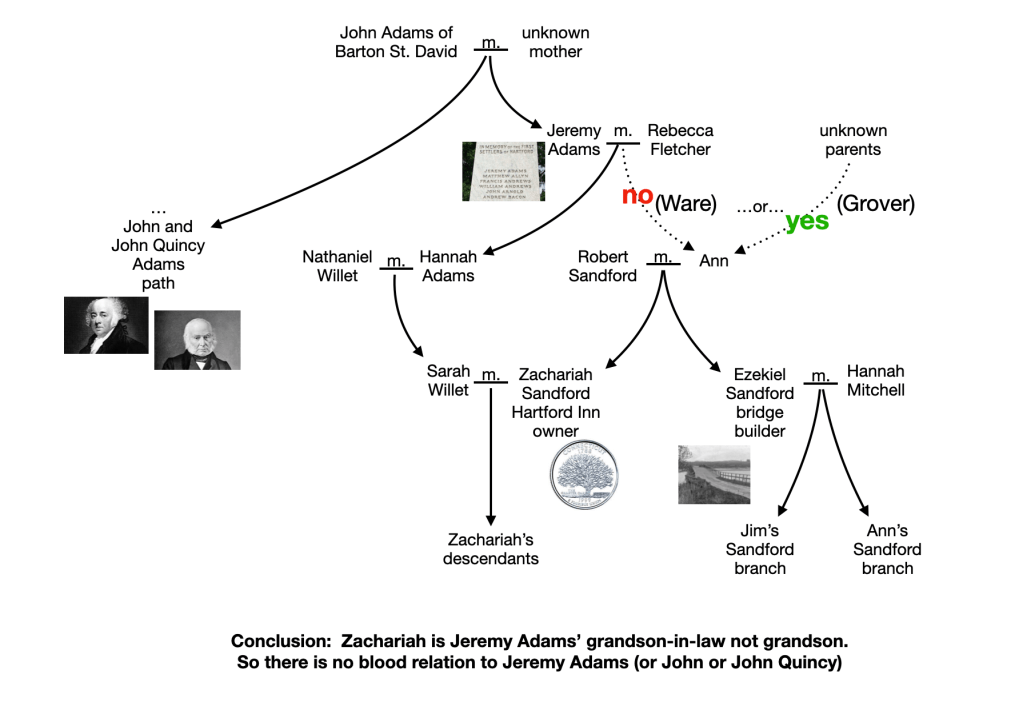
Analyzing the conflicting views on Jeremy Adams’ relationship to Robert and Zachariah Sandford 
(Grover vs. Ware genealogies).

Uncle Zach’s role in Connecticut history was safe, however, Josephine’s genealogy took a direct hit (including the very title of the book claiming Robert’s marriage to Ann Adams).  

Josephine humbly opens her book with the following line:

That there are errors in the work is probable, but let him who discovers any be thankful there are no more than appear.  The editor would be grateful to have corrections and desired changes sent to her that they may be used in a later edition.

I am thankful for this, but more thankful for the full scope of cousin Josephine’s work (of which there was no later edition).  
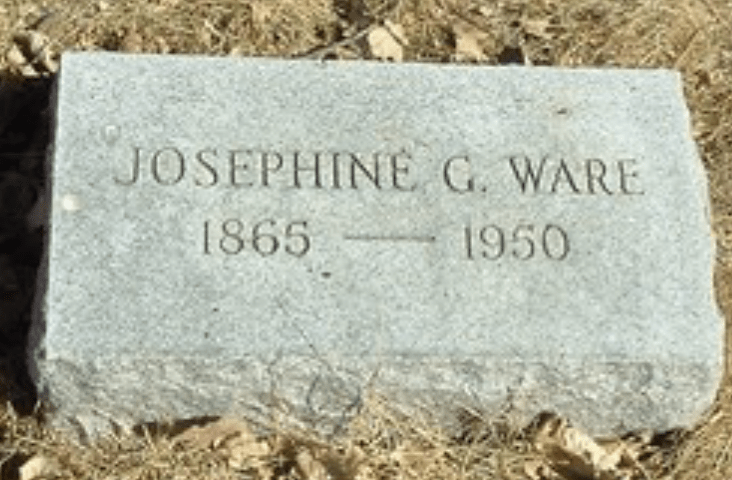
Gravestone of Josephine Sandford Ware in the Fairmount Cemetery, Denver

Alas there is another error in Josephine’s book, this one more significant and difficult to resolve.  Upcoming posts will go into this in great detail.
The Swan and Kenworthy Families of Mankato

A good anchor point for the story of great grandfather Henry Edson Swan is this lithograph published by Alfred Theodore Andreas in 1874 as part of a larger collection of 19th century maps of the midwest.  Grandma Margaret gave a copy of this to Claire years ago.
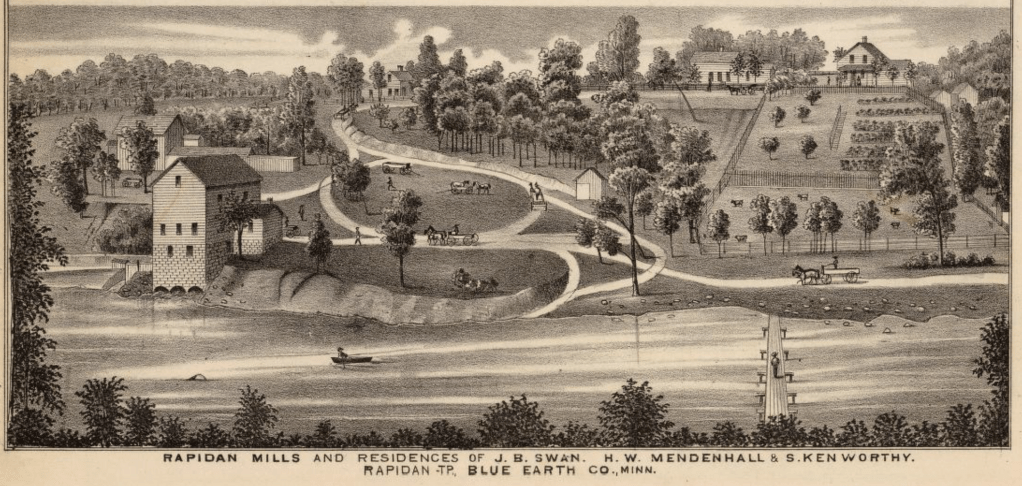
1874 lithograph of Rapidan Mills, published by Alfred Theodor Andreas

Henry’s parents (our second great grandparents) were James B. Swan (1836-1901) and Mary M Kenworthy (1841-1912).  They were married in October 1858 in Le Sueur, Minnesota.    The first record of the Swan family in Le Sueur is of James’ brother Joseph who is credited with being one of the people to first lay out the town in 1854, working for the railroad.  It seems likely that James and other relatives followed Joseph to Le Sueur over the next few years.

James and Mary had three children, Silas Ora (sometimes called Asa) (1861-?), Henry Edson (1863-1924), and Bertha Evelyn (1867-1927).  Henry Edson was born in Minnesota, not Indiana as has sometimes been recorded—his mother was from Indiana.  The first known record of James and Mary’s family in Rapidan Minnesota is in the 1870 census.

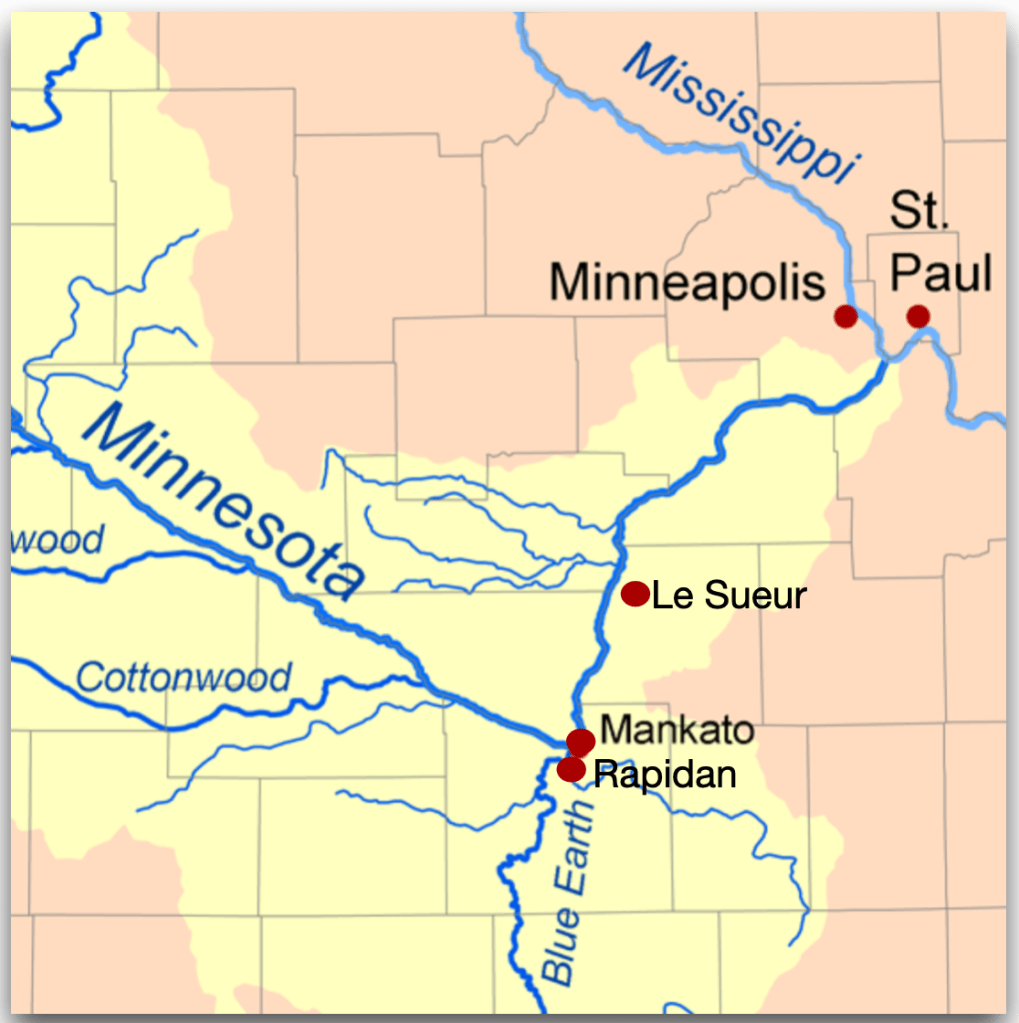
Mankato is about 50 miles southwest of Minneapolis, where the Blue Earth River flows into the Minnesota River, which flows northeast toward the Mississippi River.  Halfway between Mankato and Minneapolis, also on the Minnesota River, is the town of Le Sueur (named after a French explorer).  Rapidan is a small township on the south side of Mankato, both part of Blue Earth County, Minnesota.

Rapidan, Mankato, and Le Sueur Minnesota

In the 1850s and 1860s American settlement was pushing westward along the rivers from the Mississippi, along with the railroads.  Most of our ancestors who settled there came from Indiana and Ohio, so were part of a movement along the Ohio River, up the Mississippi, and west from there.  

The first settlers of Rapidan/Mankato were evicted by the Government in the mid-1850s because the land was still recognized as part of the Winnebago Indian Reservation, but by 1863 the Indians had been displaced and the area opened to settlement.  Rapidan was located on a part of the Blue Earth River suitable to powering mills and, eventually, the generation of hydroelectric power.

As to the three names in the lithograph caption, in correspondence with Claire the Blue Earth Historical Society identified James B. Swan and H.W. Mendenhall as sons-in-law of Silas Kenworthy. This was enough information to begin reconstructing this branch of the family tree.  

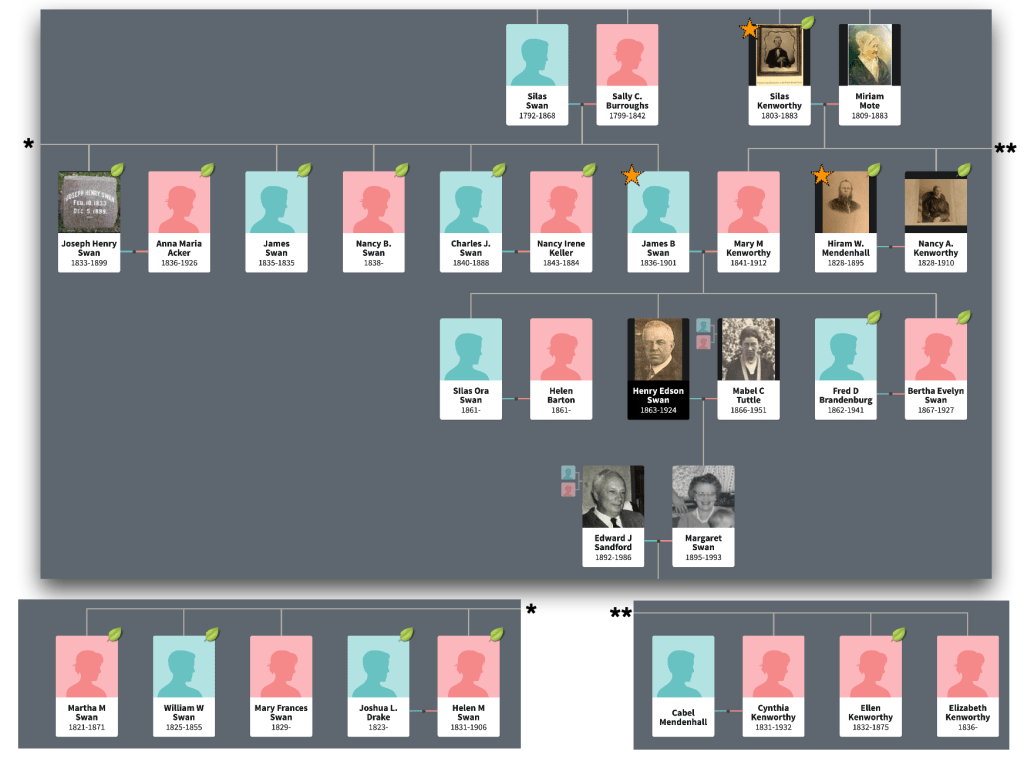
Segment of Swan family tree showing Henry Edson Swan’s siblings, parents, aunts and uncles, and grandparents on the Swan and Kenworthy sides.
The three people named in the caption of the Rapidan Mills lithograph are marked with orange stars..

In the family tree diagram, we can see the three men identified in the lithograph, third great grandfather Silas Kenworthy, second great grandfather James B. Swan, and (husband of third great aunt Nancy Kenworthy) Hiram W. Mendenhall.

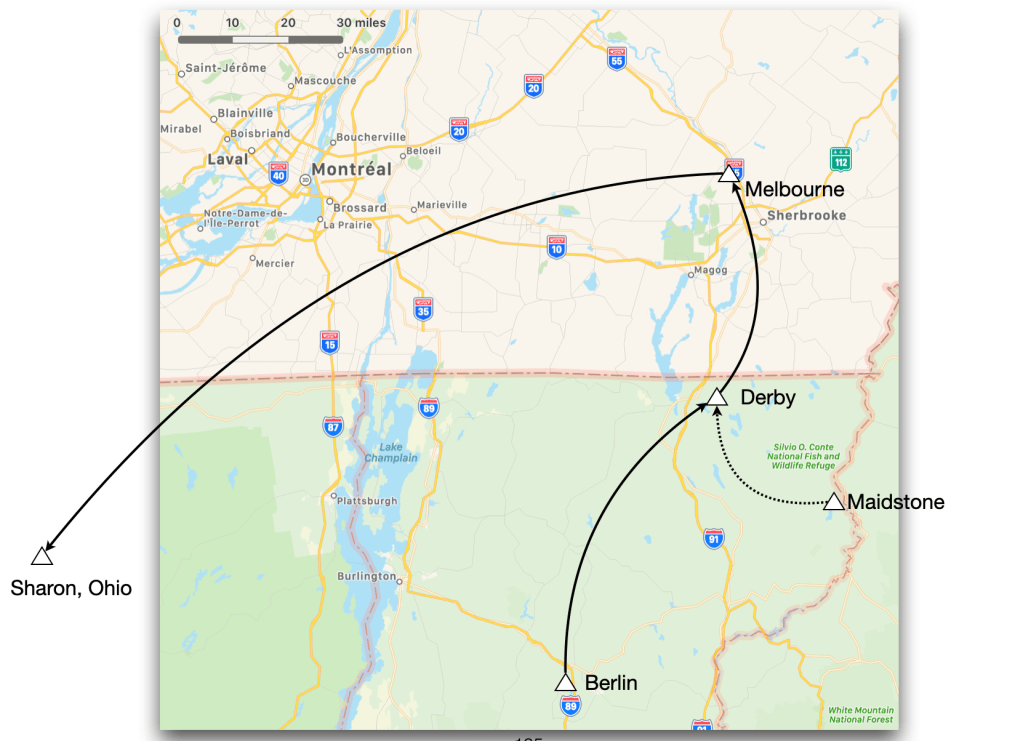
Let’s look at the families of James B. Swan and Mary Kenworthy Swan. On the Swan side, James’ parents were (third great grandparents) Silas Swan (1792-1868) and Mary Burroughs (1799-1842).  Silas Swan  was born in Berlin, Vermont (near Montpelier).  He married Sally (from Maidstone, Vermont near the New Hampshire border) in Derby, Vermont, near the Québec border in 1824.   For reasons unknown, the couple soon found themselves in Melbourne (near Sherbrooke), Québec where they had six children through 1835.  The last child, the first James Swan, died in his first month.  In the following year, the family moved to Sharon, Ohio where they had three more children including 2nd great grandfather James B. Swan in April 1836.

The migration path of Silas and Sally Burroughs Swan, both of Vermont.
They were married in 1824 in Derby, Vermont.

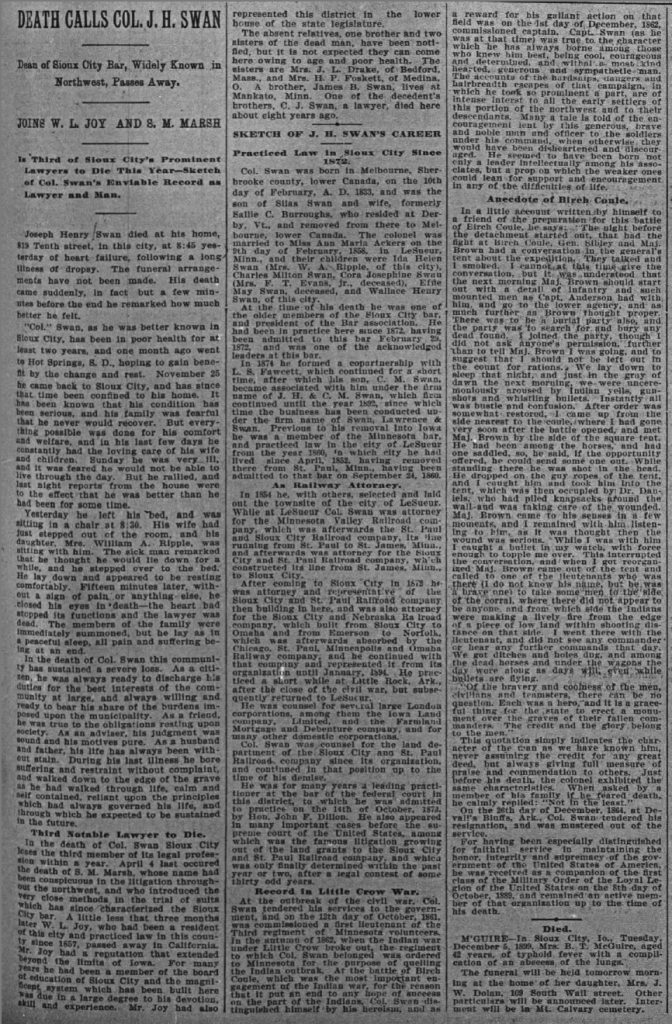
The odd situation of a family suddenly moving from Québec to Ohio raises suspicions that there could be two Silas Kenworthy families getting mixed up.  In similar cases I’ve come across, the situation may be further confused by families copying errors made by other families into their family trees.  Happily in this case, I found the 1899 obituary of Col. Joseph Henry Swan, James B. Swan’s brother, which confirms the story of the Swans going from Vermont to Québec to Ohio and ties some other things together as well.  It confirms that Joseph (born in Québec) and James B. (born in Ohio) were brothers.  It also tells the story (mentioned at the start of this post) that Joseph was a lawyer working for the railroad who first laid-out the town of Le Sueur Minnesota.  The obituary of 3rd great uncle Joseph contains other interesting details about an interesting life, and is worth the read.

The 1899 obituary of Col. Joseph Henry Swan in the Sioux City Journal. Confirmation of the link with James B. Swan and Mankato is near the top of the middle column. The description of his role in founding Le Sueur Minnesota is midway down the center column.

Sally Burroughs Swan died in Ohio in 1842 at age 42, just two years after the birth of her last child. Silas Swan remained in Ohio and died there in 1868, likely with other children who did not make the move to Minnesota.

On the Kenworthy side, (third great grandparents) Silas Kenworthy (1803-1883) and Miriam Mote (1809-1883) married in 1827 in Indiana and had five children through 1841, Mary being the youngest.  Silas was born in North Carolina (the furthest south of any ancestor I’ve found) but lived in Indiana where he and Miriam raised their family.  The first record of the Kenworthy family moving to Le Sueur Minnesota is in the 1860 census.

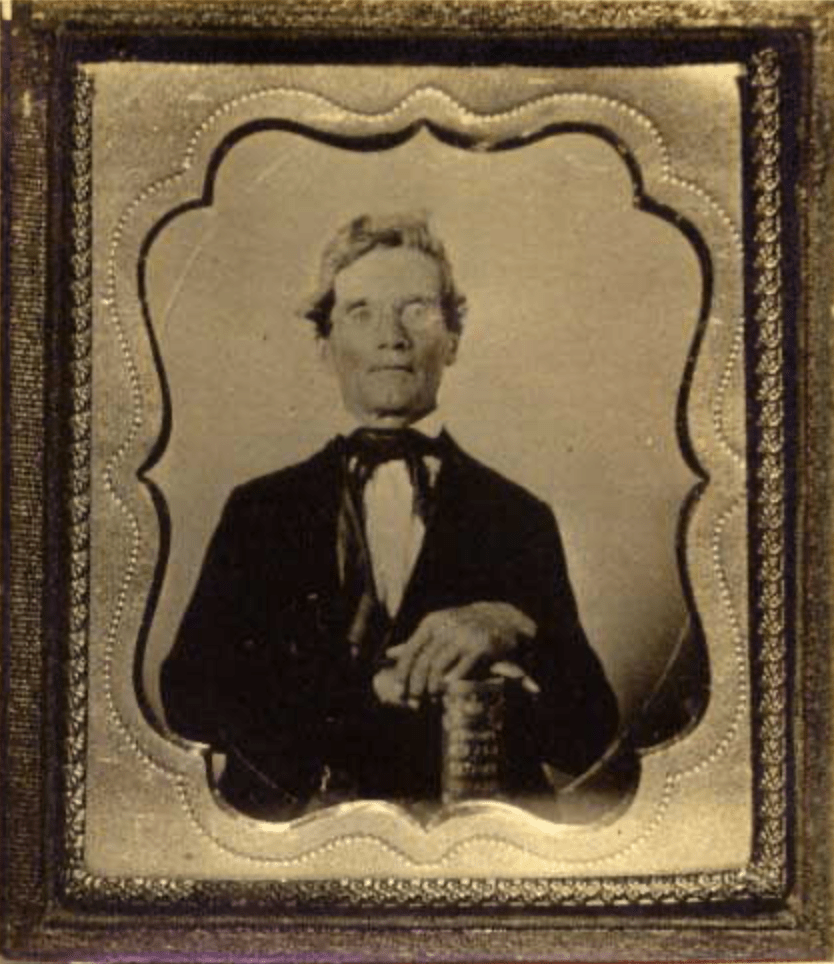
Silas Kenworthy at age 48, probably still living in Indiana
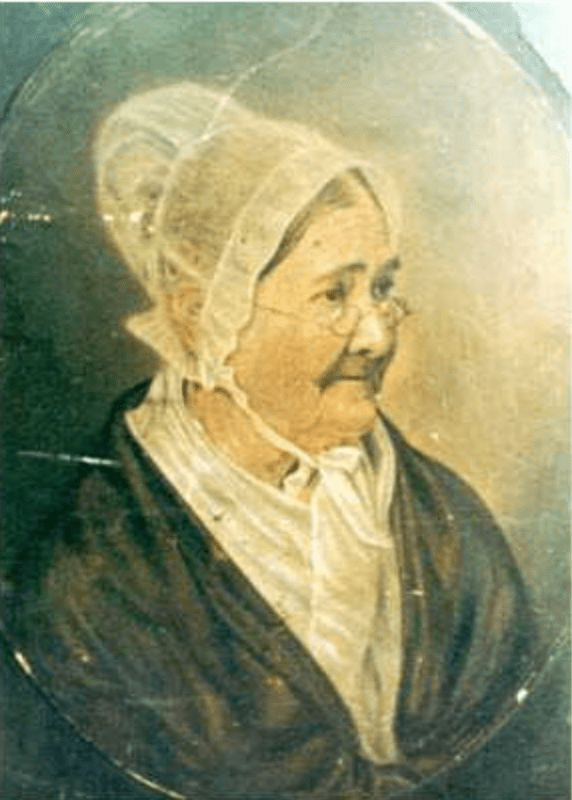
Miriam Mote

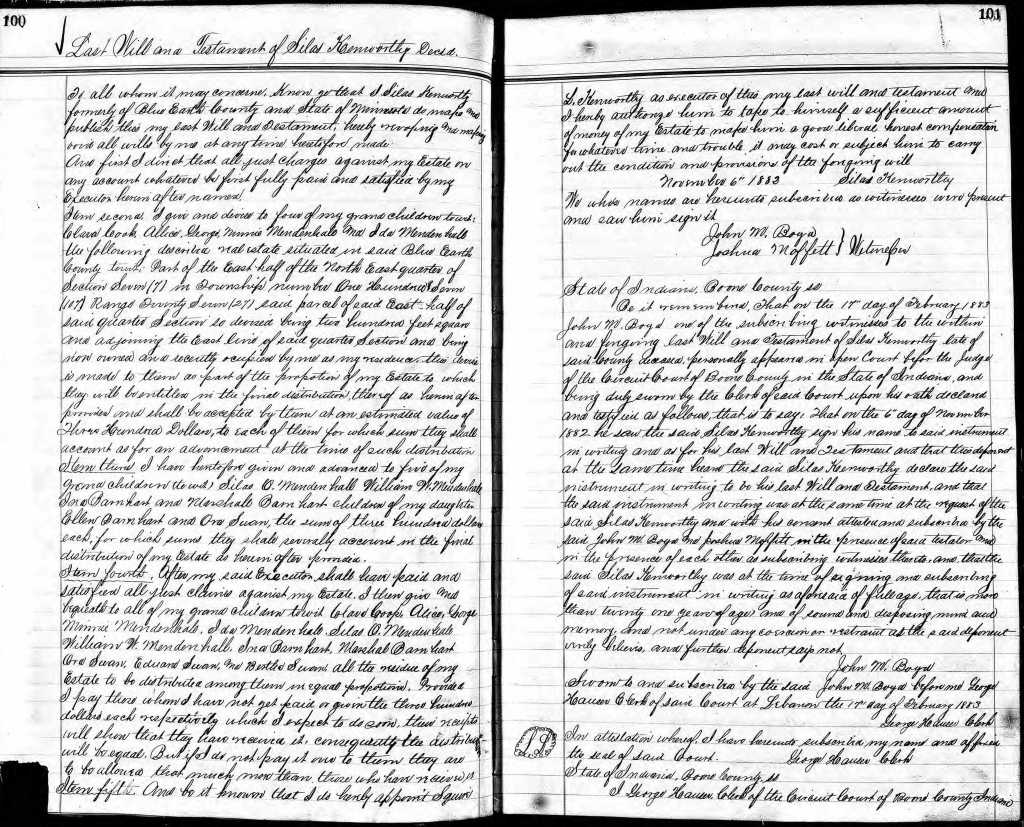
Silas and Miriam remained in Rapidan throughout their lives, although Silas’ will was executed in Indiana, so he must have maintained some connections there. Silas died in 1882, Miriam a year later.

Silas Kenworthy’s Will

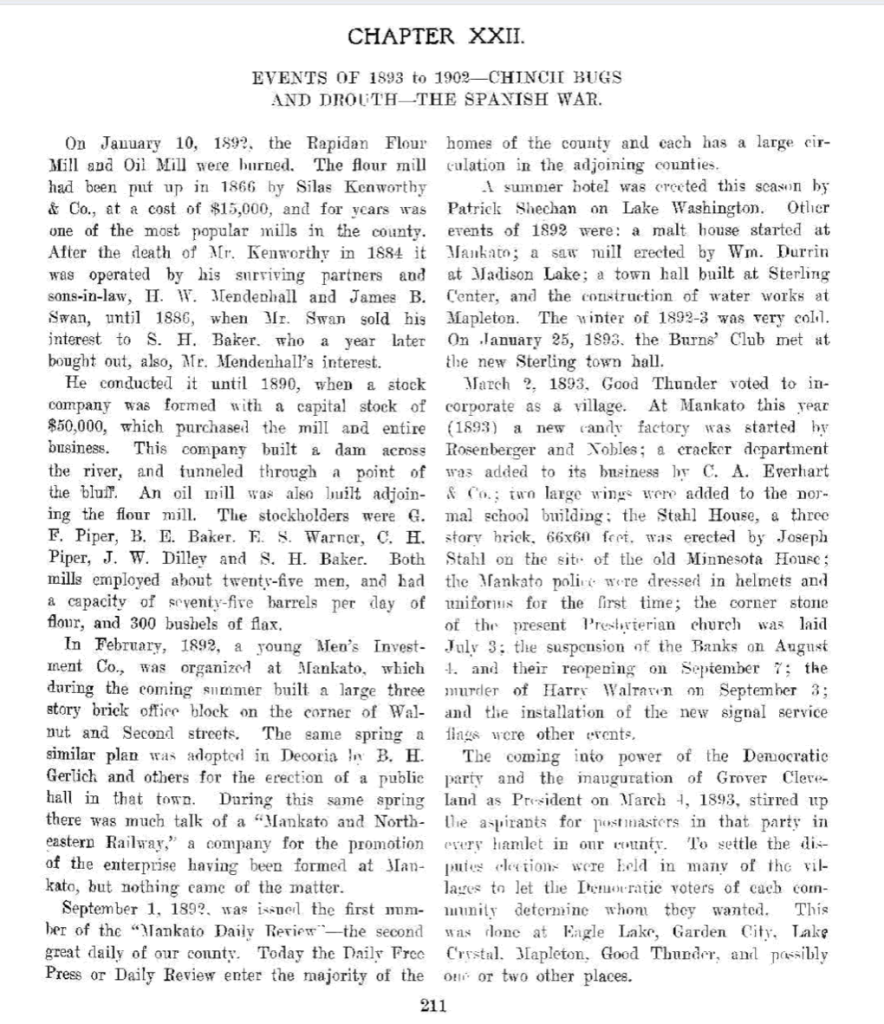
Additional information on the Rapidan flour mill can be found in the History of Blue Earth County, by Hughes Thomas.

A page from the History of Blue Earth County, by Hughes Thomas. The roles of James B. Swan, Silas Kenworthy, and H.W. Mendenhall as owners of the flour mill are described in the first paragraph.

Henry Edson Swan married Mabel Tuttle in Mankato in 1890.  Grandmother Margaret Sandford was born in Mankato in 1895.  Citing the need to find a warmer climate to raise frail Margaret, the family moved to Ontario, California in 1896.   But they returned to Minnesota in 1898, lured back by a good offer from the bank that had previously employed him.   Changing their minds one last time, they returned to settle permanently in Ontario in 1902.

James B. Swan died in Mankato in 1901 perhaps contributing to Henry and Mabel’s final decision to move back to California. Mary Kenworthy died in 1912 in Fort Dodge, Iowa, presumably cared-for by one of her other two children.

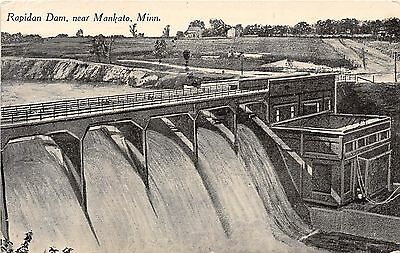
In 1910-1911 a hydroelectric dam was built across the Blue Earth River at Rapidan, where the Kenworthy flour mill once stood.

Rapidan Dam, ca. 1915

The Loyalists of Prince Edward Island

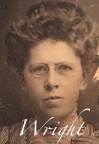
The family of great grandmother Laura Jane Wright immigrated to America twice in 250 years. 
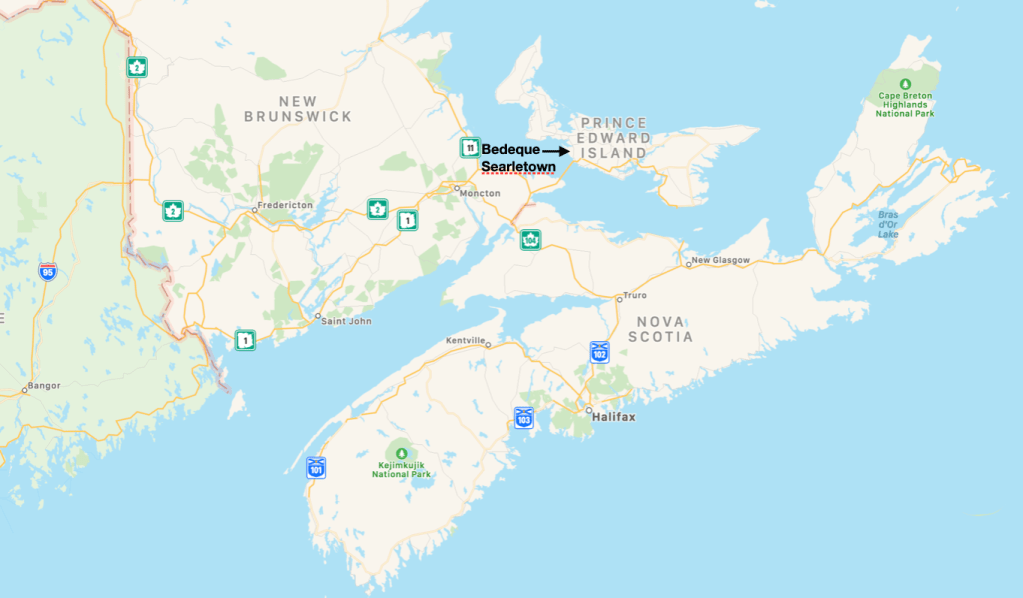
The first time was around 1635 from England to Lynn, Massachusetts.   The early Wrights migrated from Lynn to Sandwich on Cape Cod to Oyster Bay, Long Island, to Queens and Westchester, New York.  Future posts will look at this early history.

After the American Revolution, fifth great grandfather William F. Wright and his family, including fourth great grandfather Nathaniel Wright, were exiled by the new American government as Loyalists.  They eventually established themselves on Prince Edward Island which incentivized the settlement of Loyalists with land grants. A total of four generations of Wrights would live on the island before returning to America in the 1880s.

The genealogy of the Prince Edward Island Wrights is well-documented in genealogical sources including The Wrights of Bedeque, Prince Edward Island : a Loyalist Family by Doris Muncey Haslam, as well as The Island Register, a genealogical site devoted to Prince Edward Island, maintained by Dave Hunter.  Much of the following comes from these sources.

Click here to see the full Wright ancestry

(5GGP) William Wright was born about 1743 in Westchester County, NY, and died Feb 1819 in North Bedeque, P.E.I., Canada.  He was married to Hannah Dusenbury (1745-1796) in Queens in 1764.   They had six children, all born in Westchester.  As a Quaker, William was a pacifist, but he openly identified with the Loyalist cause and was imprisoned for twelve months.  All “Tories” were under sentence of banishment while their crops, livestock, food, clothing and personal property were liable to confiscation.    One daughter (unknown) married Solomon Dibble and settled in Westchester County or in nearby Connecticut while the rest of the family (two sons and three daughters) left.  In August 1783 they arrived at Port Roseway (Shelburne), Nova Scoita, where they stayed 10 months before moving to the Island of St. John (P.E.I.) with William Schurman.  On 29 July 1784 lots were allotted and William drew 500 acres in Lot 19 while his son Nathaniel drew 300 acres in Lot 26. William built a log cabin, thatched with seaweed and chinked with moss and mud.  A cooking fireplace stood in the centre and light came through a hole cut in the wall.  William was the first shoemaker in the area.

Map of Prince Edward Island. Our Wright ancestors settled in Bedeque and Searletown.

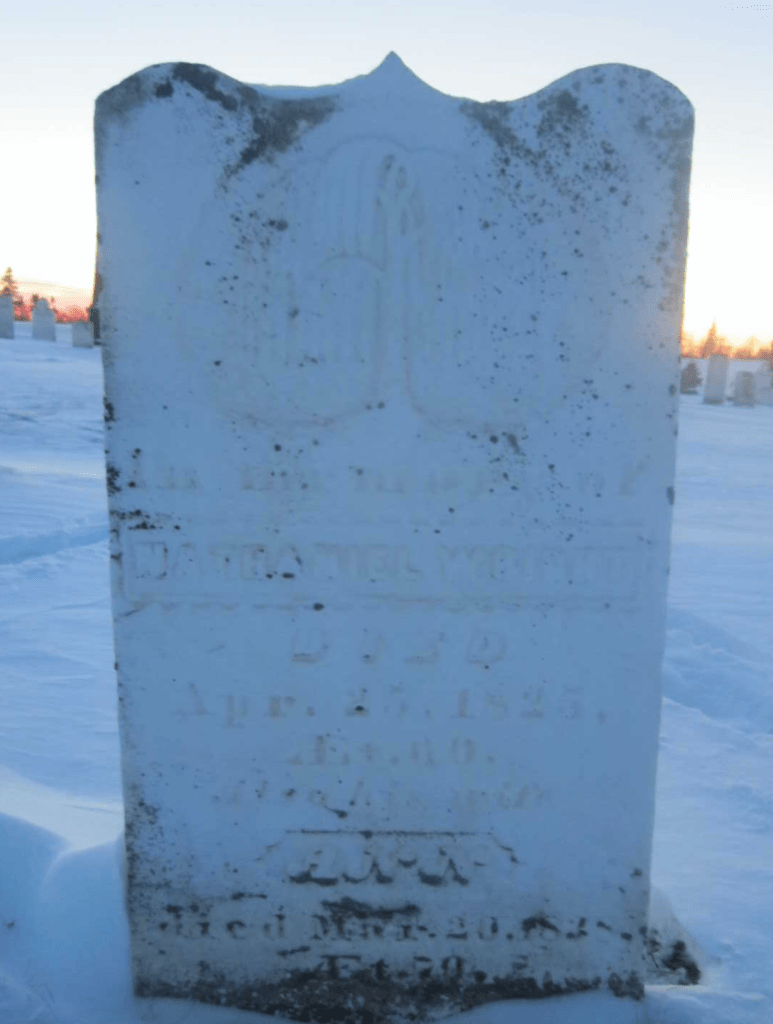
(4GGP) Nathaniel Wright was born 28 Mar 1765 in Westchester and died 25 Apr 1825 in Centreville Bedeque.  He married Ann Lord (1770-1839) on 25 Jun 1788, daughter of John Lord and Elizabeth Cottrel.  Nathaniel’s juvenile years were spent with his paternal grandfather, a Quaker. He was loyal to the crown as was his father. He was engaged in active service in the Loyalist militia, but came down with yellow fever and was so sick he was not expected to live and was unable to walk ashore in Shelburne. During their 10 months there, he fully recovered. He received a grant of 300 acres in Prince County, P.E.I. After his marriage, they moved to Tryon. On July 27, 1807, he moved his wife, six sons and daughter to Bedeque to settle on his Loyalist grant. He was a prosperous farmer. He built a grist mill and a carding mill was added in 1824.  Nathaniel and Ann had 11 children–8 sons and 3 daughters–between 1789 and 1817.  3GGP Lewis was the seventh of the eleven.

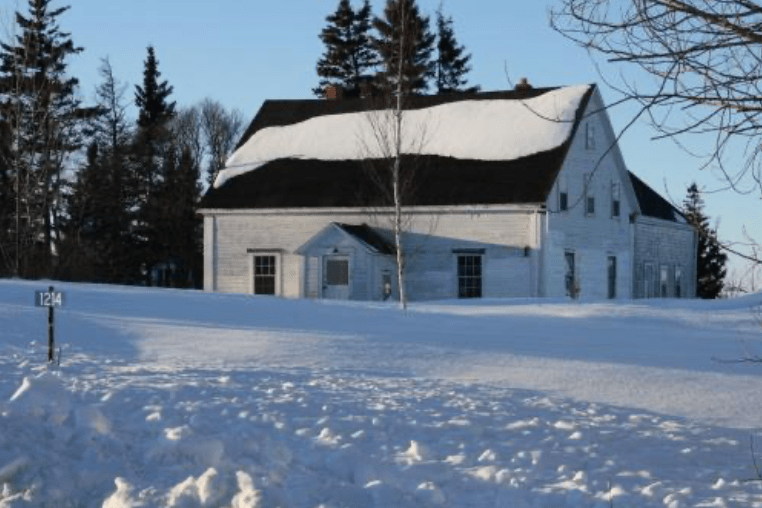
The house built by Nathaniel Wright, 1214 Callbeck Street, Route 171, Bedeque. The home is listed in Canada’s Register of Historic Places.
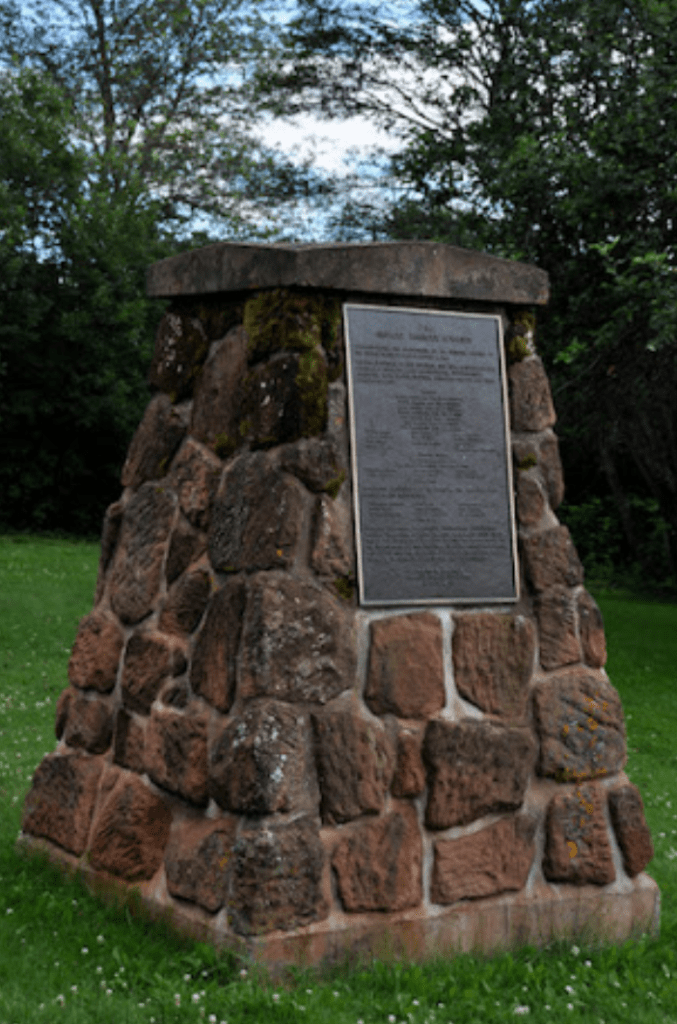
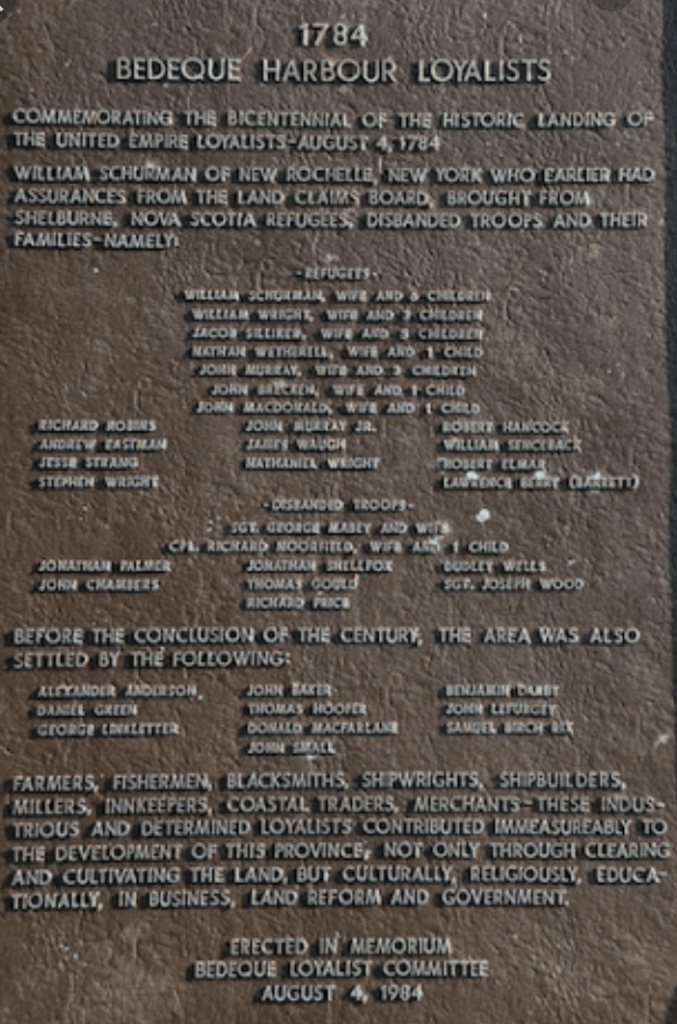
The Bedeque Harbour Monument commemorating the 1784 Loyalists who settled the town.
Nathaniel Wright’s name appears just above center of the monument.
The gravestone of Nathaniel and Ann Wright in the Bedeque Cemetery, Bedeque, PEI.

 (3GGP) Lewis Wright was born 1806 in Tryon, P.E.I., Canada, and died 14 Mar 1877 in Searletown, P.E.I., Canada.  He married Ann Sloane (1810-1842) on 16 Oct 1833.  He had a second marriage to Mary Black in 1843 after Ann’s early death.  Lewis and Ann had six sons and one daughter.  John Nelson Wright was the second child.

(2GGP) John Nelson Wright was born 03 Aug 1837 in Searletown, P.E.I., Canada, and died 21 May 1914 in Brooklyn.  He married Elizabeth (Eliza) Marshall on (1836-1918) on 14 Jul 1863.  Elizabeth’s parents were William Marshall and second wife Mary Gummersal.  William and his brother Thomas, whose ancestral home was “Ozendyke” (a corruption of Osmund’s oak mentioned in the Domesday Book), a farm or manor in Ryther, Yorkshire England, immigrated to P.E.I. in 1848 and settled in DeSable.  John and Eliza had a son (Lewis William) and five daughters (May,  Laura Jane, Ella Winnifred, Lucy, and Ada). 

John Nelson and Ella Winnifred Wright, probably in Brooklyn

John moved his family to Groton, CT between 1882 and 1885, he arriving first and sending for his family a year or two later. Laura, of course, married George Sechler in 1894 in Groton.  By 1895 John, Eliza, Laura, and Winnifred had moved to Brooklyn and would live there for many years, usually within blocks of each other They remained very close through and after the George Sechler tragedy. I will continue the story of the Wrights in a future post.

The Topsham Generations

Third great grandfather Thomas Gelston Sandford was born in Portland, Maine in 1781, the middle of seven children of Thomas and Jerusha Gelston Sandford.  He was married at age 32 to Maria Halsey Head from Warren, Maine.  The 1783 marriage notice cites Thomas Gelston as a resident of Topsham (the ‘h’ is silent), so he must have moved to Topsham sometime between coming of age and marrying Maria, say between 1800 and 1813.  His father Thomas died in 1811 in Portland, and this may have played a role in the timing.

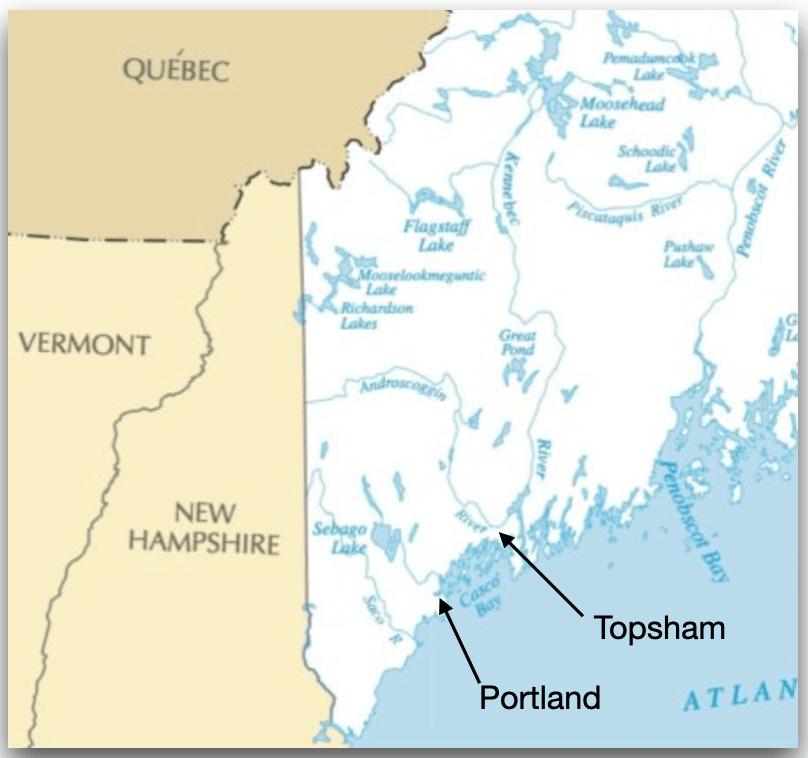
Topsham is a small town, even today.  You only have to look at a map to get a good sense of why it exists.  Located near the confluence of two major navigable rivers, the Androscoggin to the south, flowing eastward through from the White Mountains of New Hampshire, and the Kennebec River to the north, originating near Québec and flowing southward through Augusta.  Thirty miles north of Portland (originally named Falmouth), Topsham is a logical base camp for a population expanding north from Massachusetts looking for new opportunities on the frontier.  It sits right between all those trees and all that water, and was in fact a shipbuilding center from its origins, which is probably why the ship-owning Sandford family wound up there.  

Topsham, Maine, at the confluence of the Adroscoggin and Kennebec Rivers

The railroad didn’t come through from Portland until 1851, so for Thomas Gelston and the next two generations, travel from Portland to Topsham must have been by boat.

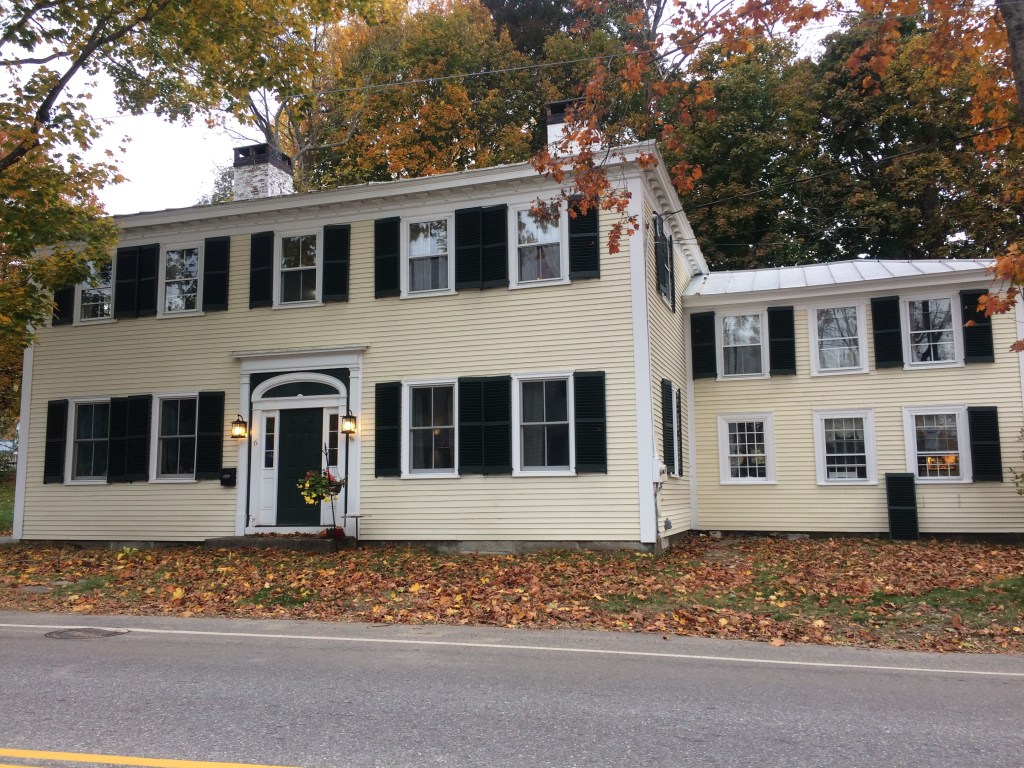
The Sandford house in Topsham sits atop a hill overlooking the Androscoggin river.  Built in 1809, it is listed on the National Register of Historic Places, and has been owned by several prominent Topsham citizens.   Thomas Gelston Sandford appears to have been its second owner. 

The house owned by Thomas Gelston Sandford at 6 Elm Street in Topsham. It was probably expanded and rebuilt a few times since first built in 1809.

Maine achieved statehood in 1820.  As half of the Missouri compromise, Maine was and remains staunchly proud of its anti-slavery stance, balancing the pro-slavery position of Missouri which achieved statehood at about the same time.  Topsham was a part of the underground railroad, a last stop on the coast before proceeding inland towards Canada.  The town history boasts of a series of tunnels between safe houses, some of which must have been within a quarter mile of the Thomas Gelston homestead.

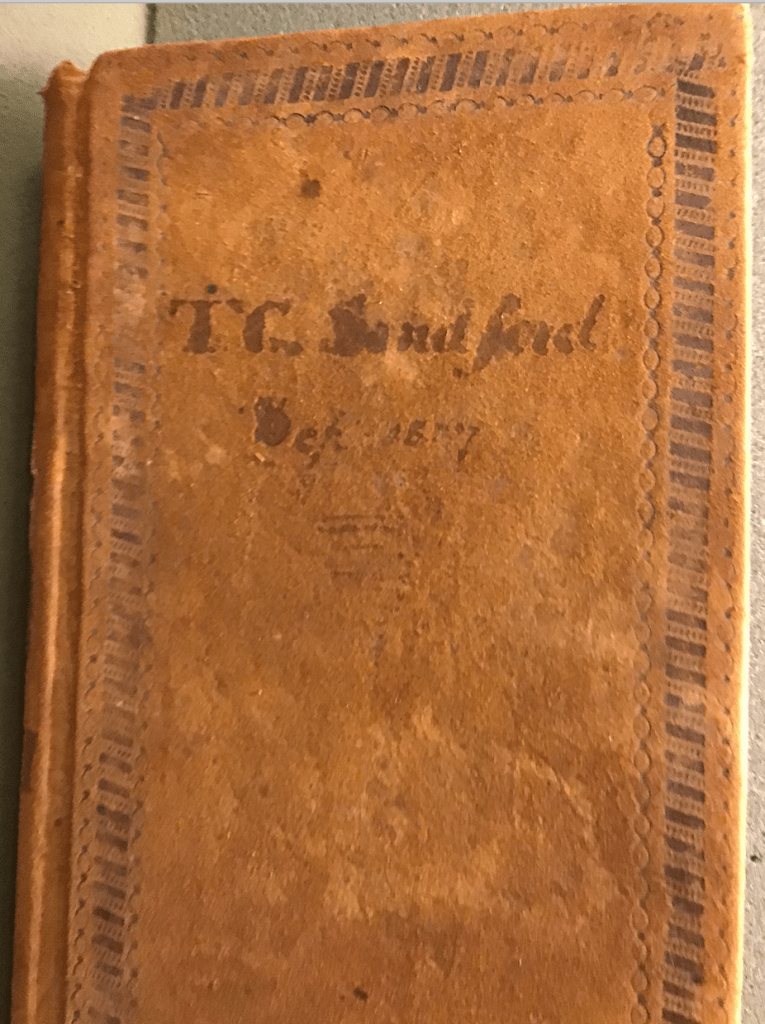
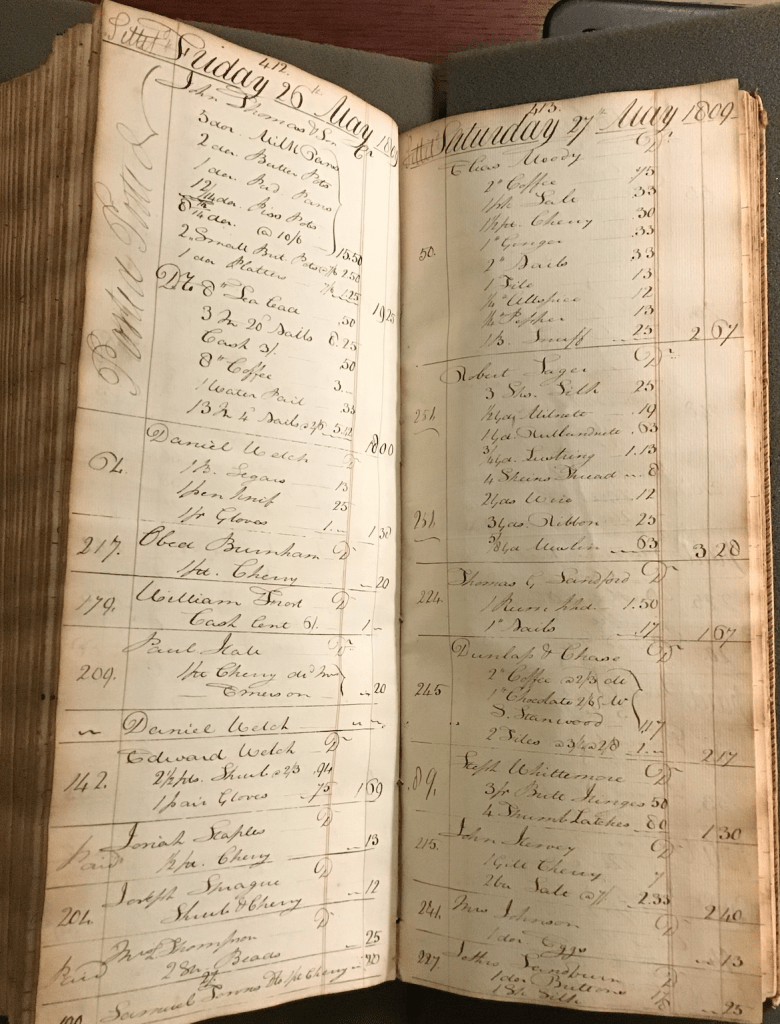
Like his father, Thomas Gelston Sandford kept his own log book documenting business transactions throughout his life.  Like his father’s, Thomas Gelstons’s book is preserved by the Maine Historical Society.

Thomas Gelston Sandford accounts book

Thomas Gelston and Maria Sandford had seven children between 1814 and 1829, the eldest James Head Sandford, our 2nd grandfather.

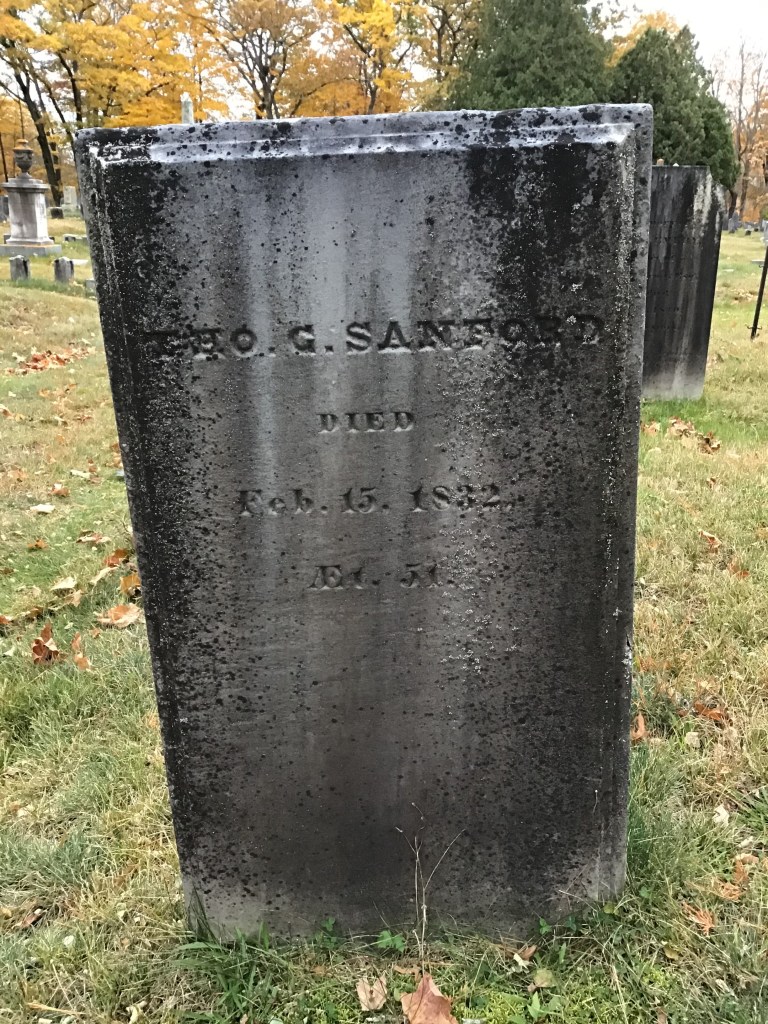
Family life in Topsham must have been very difficult.  The families of both Thomas Gelston Sandford and James Head Sandford suffered spates of early death that must have required a great deal of shuffling among families and siblings to care for young children who had lost their parents.  Maria died at the age of 35, in 1831.  Thomas Gelston would die a year later, at the age of 51 when James Head, the oldest of seven, was only 18 years old.  

In a previous post, I mentioned that there was at least one other Sandford branch from Long Island living in Topsham at the same time as our branch.  John Sandford was a cousin of fourth great grandfather Thomas Sandford of Portland, John being eight years younger than Thomas.  He was the son of Captain John Sandford, a member of the First Regiment of Minute Men of Suffolk County, Long Island, who is recorded to have been one of the first Southampton signatories of the 1775 Articles of Association pledging loyalty to the Colonies.  John the son moved from Southhampton to Topsham in 1776, leapfrogging his cousin Thomas who had moved to Portland 8 years earlier.  When Thomas Gelston Sandford arrived in Topsham between 1800 and 1813, the John Sandford branch had already been there for 25-35 years.  

As various Sandford children lost parents at early ages in the first half of the 1800s, the existence of two separate Sandford clans perhaps allowed the families to rely on each other to look after their children.

James Head Sandford married Dorothy Burton in 1837 when he was 23.   They had two children, our great grandfather Edward T. and his twin brother James, in 1840.  Dorothy also died young at age 30 in 1847 when the twins were only seven.  

James Head remarried after Dorothy’s death to Arabella Pierce.  They had a son, George, Edward Thomas’ half brother in 1850.   They would resettle in Minnesota after Edward Thomas had set out on his own.  The 1870 census shows James, Arabella, and George living in Wabasha Minnesota, 50 miles southeast of Saint Paul on the Wisconsin border (coincidentally, just 75 miles from Mankato). James is listed as a farmer in this census. James and son George would eventually move to southern California.  James died in 1898 and is buried in Corona–he probably lived with his son Edward T and grandson Joe in his final years.  George would settle in the Long Beach area, and started a parallel branch of Sandfords that would be in that region for several generations, just a few miles away from the family of Earl and Saada Sandford Beck, Edward Thomas’s oldest daughter.  Many of George Sandford’s descendants eventually migrated to the San Diego area.

There does not seem to be much to have kept Edward T. in Topsham.  In Joe Sandford’s narrative of his father’s life he opens with:

His uncle Thomas Sandford owned a fleet of clipper ships that sailed the seven seas.  The opening of the Civil War in the United States found father in Chinese waters on one of these ships serving as First Officer.

Joe Sandford, 1966

This Thomas Sandford is most likely Thomas H Sandford, James Head Sandford’s brother, two years younger, although were Thomas Sandfords everywhere and it could possibly be a distant uncle, even one from John Sandford’s clan.  

Summarizing, Edward T. Sandford was born in 1840 and lost his mother in 1847 at age 7.  His father remarried quickly and had son George, Edward T’s half brother, in 1850.  Somewhere around 1860 Edward T. was already a First Officer on his uncle’s ship in the waters near China.  He got word of the Civil War and decided he wanted to be part of that. Much more to come on the life of Edward Thomas Sandford in future posts.

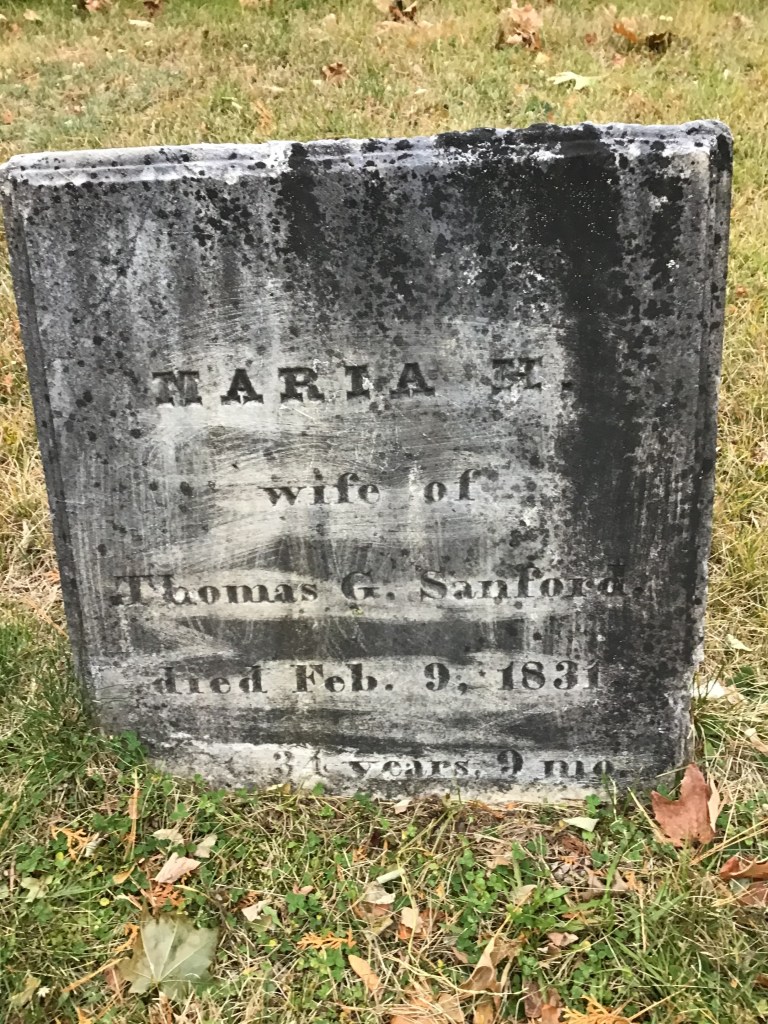
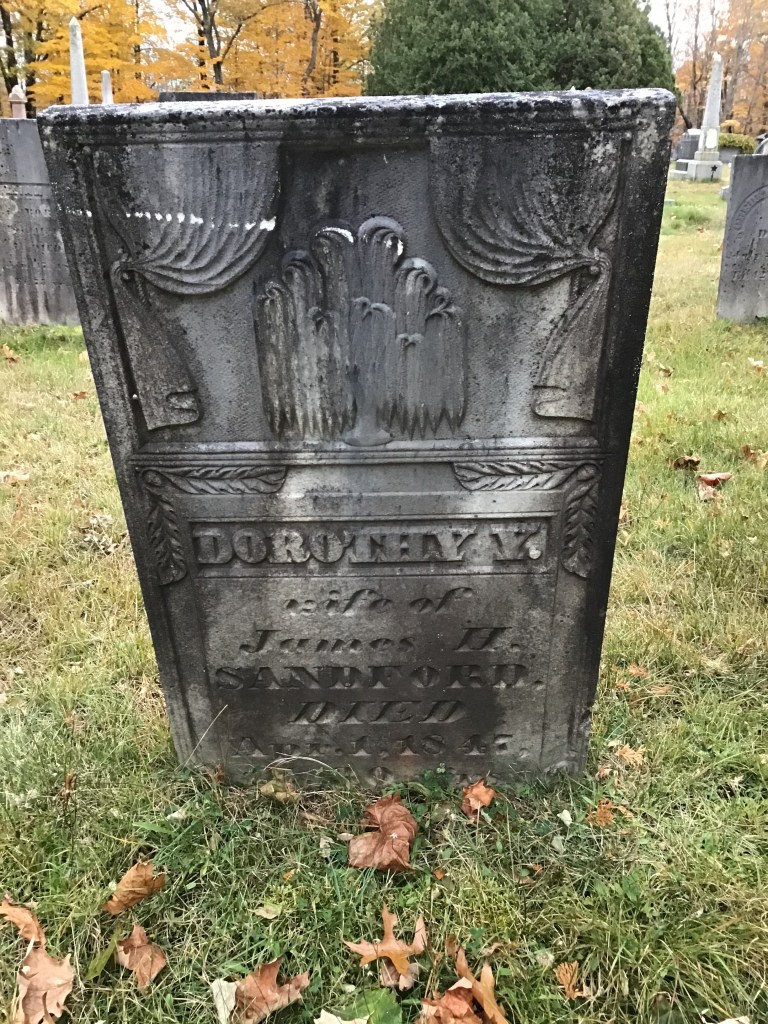
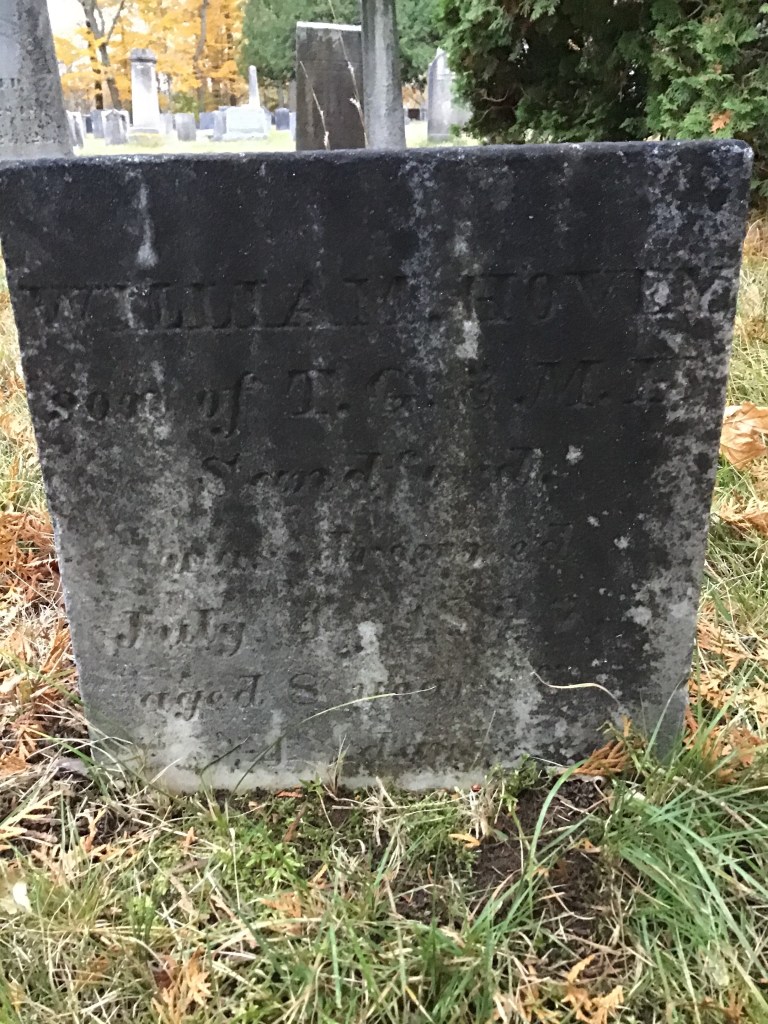
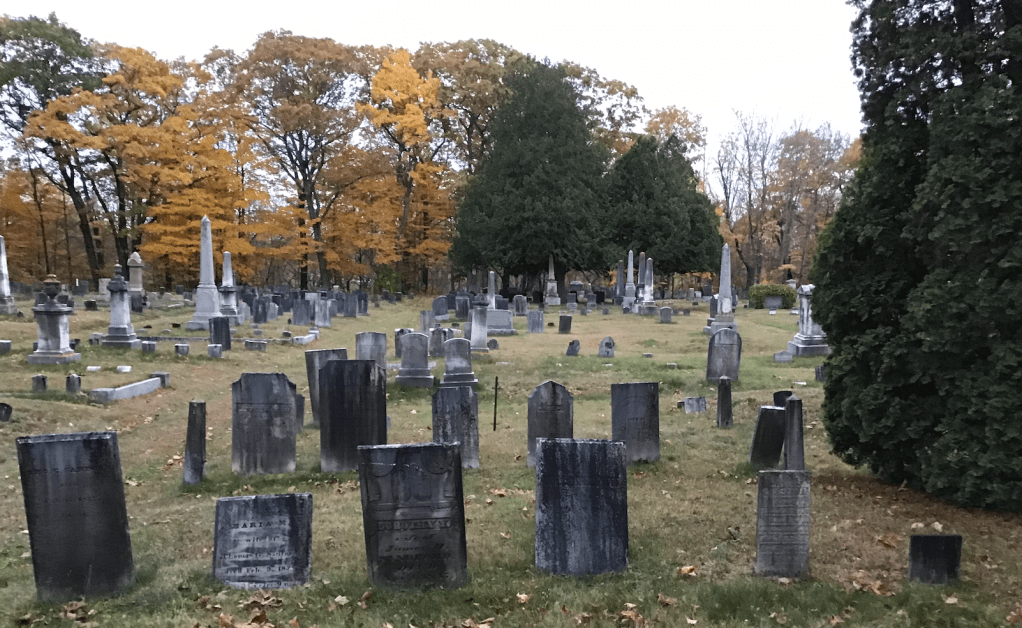
Topsham’s Riverview Cemetery sits on a hilltop overlooking the Androscoggin River, a quarter mile down the road from the Thomas Gelston Sandford house.  Near the entrance is a family plot which includes the graves of Thomas Gelston Sandford, his wife Maria, and James’ wife Dorothy.  (James is buried in Corona.)  Other Sandfords can be found nearby and it would take a lot of research to sort out everyone from the two Sandford branches.  Next to Dorothy is the grave of James’ younger brother William Horvey Sandford, 1819-1827.

Riverview Cemetery in Topsham. Foreground left to right Thomas Gelston Sandford, Maria Head Sandford, Dorothy Burton Sandford, and William Horvey Sandford

The Sandford Family in Portland

After Long Island and before Vermont and California, four generations of Sandford ancestors lived in Maine between 1768 and the 1860s, first in Portland, Maine (originally known as “Falmouth” or “Falmouth in Casco Bay” to distinguish it from Falmouth, Massachusetts on Cape Cod), later in Topsham (the ‘h’ is silent) thirty miles to the north. 
The great grandfather of our great grandfather Edward T. Sandford was Captain Thomas Sandford.   The nature of his title Captain is unclear—it is cited in a few places including city maps showing his residence and in the newspaper notice of his death, but does not seem to have been used in his daily life or business transactions.  Although he spent most of his life as a ship owner and a businessman, there is no evidence that he was ever a sea captain.  In other cases in that era, the title came from being a part of the militia, so perhaps that was the case with Thomas.

In the years leading up to the American Revolution, at least two of our ancestral family branches left Bridgehampton, Long Island to settle in Maine, at different times. The moves were probably combinations of wanting to pursue new opportunities and wanting to evade the increasing tensions with the British on Long Island before and during the Revolution.

The British occupied Long Island in August 1776 culminating with their victory in the Battle of Brooklyn.  George Washington fled south to Pennsylvania to fight another day.  (His escape was aided by a regiment from Maryland, credited with sacrificing to delay the British advance.)  Long island remained under the thumb of British oppression for the remainder of the war.

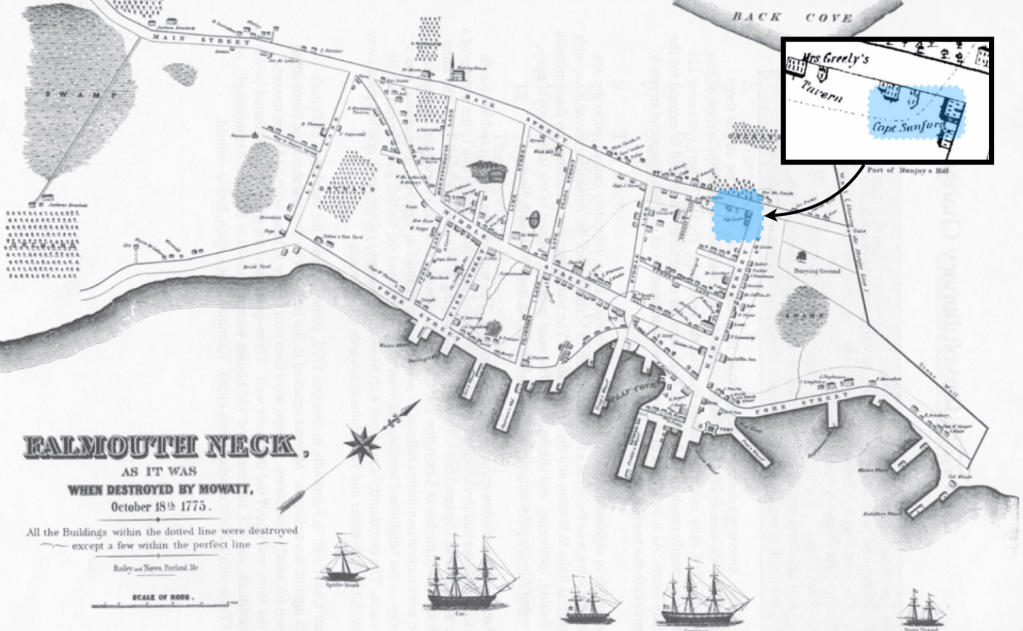
Around 1768, Thomas Sandford at the age of 24 fell-in with the prosperous Arthur Howell (age 43), who had recently married Jerusha Gelston, the daughter of Judge Hugh Gelston from Southampton.  The three left Long Island to set up a thriving shipping business in Falmouth (at the time still considered part of the Massachusetts colony). Arthur and Jerusha Howell lived at the corner of Back and King Streets, the center of town at that time, Thomas living nearby.  Today, this is the intersection of Congress and India Streets and is a mile east of the Portland city center.

In 1773 Howell, at the age of 48, died unexpectedly while away on a business trip.  Thomas, as Howell’s business associate, was the executor of his estate.  Within the same year Thomas and Jerusha were married, together to become our fourth great grandparents.  A byproduct of this sequence of events was that a great deal of Howell’s substantial estate, including the Howell business and homestead, fell to Thomas and Jerusha. 

Map of Falmouth as it was in 1775 when destroyed by the British Navy. Location of the Thomas and Jerusha Sandford house is shown in blue.

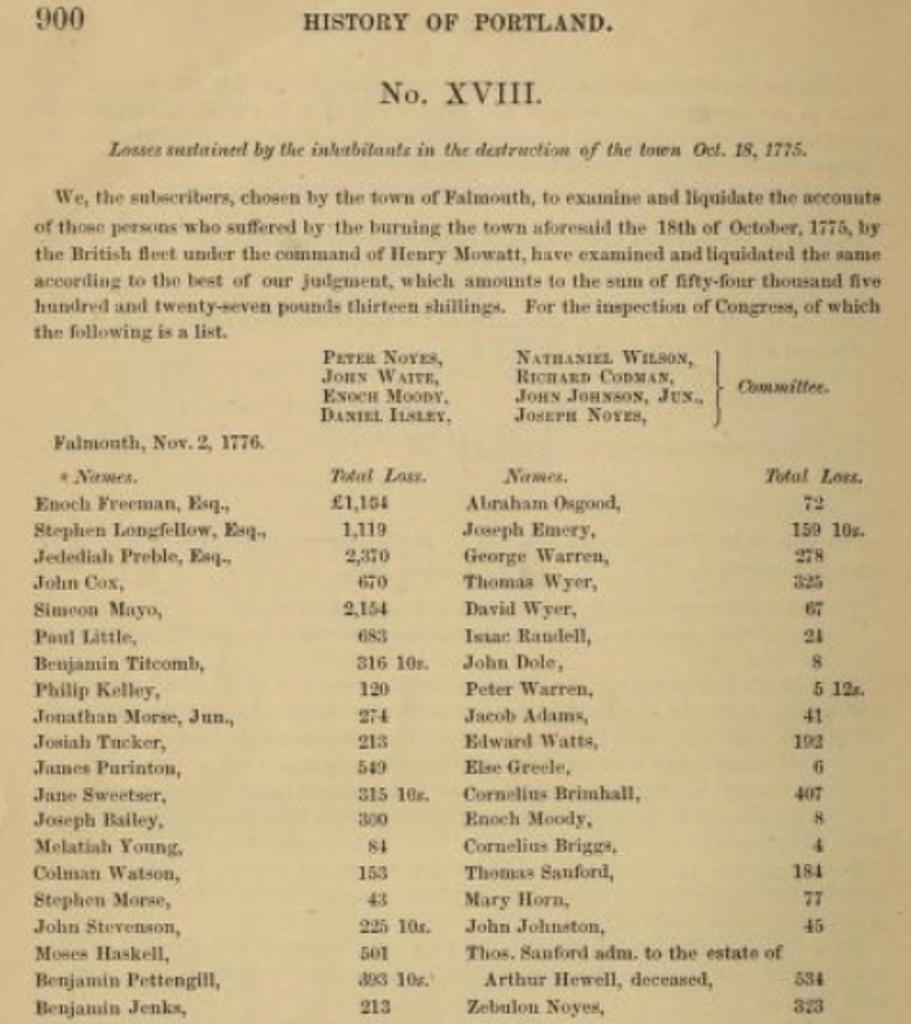
If Thomas left Long Island to evade the British, it did not work.  In 1775 most of the town of Falmouth was destroyed by the British Navy, including Thomas and Jerusha’s home, which they subsequently rebuilt. Thomas is recorded as having signed a November 1776 petition to the British for reparations, the losses from the Howell/Sandford estate totaling £534+£184.

1876 Petition for Reparations from the British for the destruction of Falmouth.
Two entries for Thomas Sandford are near the bottom right.

Thomas and Jerusha would have seven children in Falmouth/Portland between 1774 and 1778. Thomas Gelston Sandford, our third great grandfather, was the fourth child and first son, born in 1781.

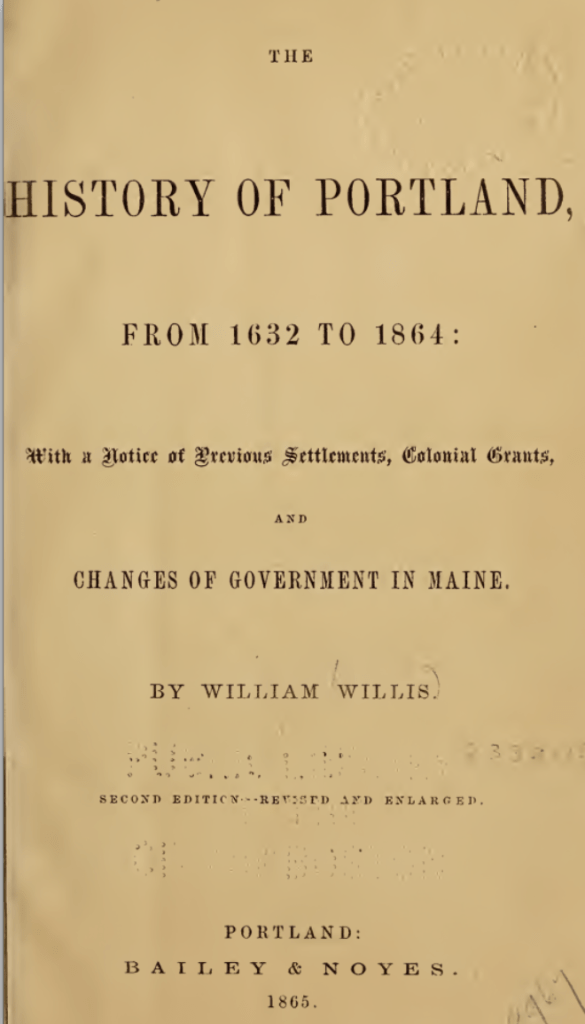
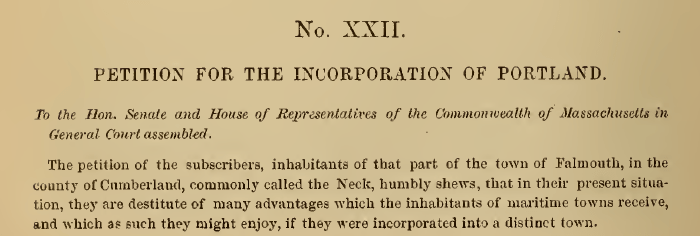
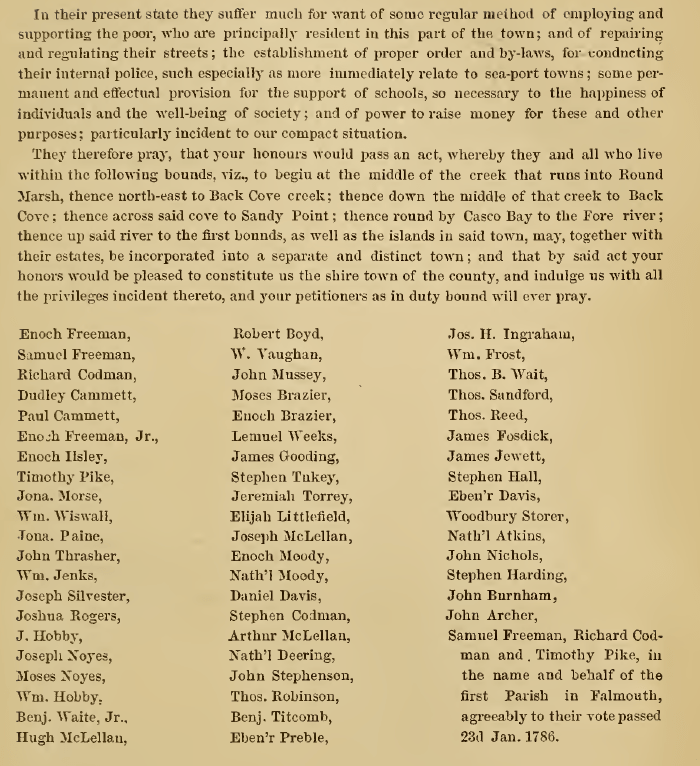
It was in 1786 that the citizens of Falmouth established a new adjacent town and named it Portland, which would dominate from that point forward. Thomas Sandford was a signatory of the Petition For the Incorporation of Portland to the Massachusetts Legislature.

1786 petition to the Massachusetts legislature for the Incorporation of Portland. Thomas Sandford appears near top of third column.

Thomas Sandford would live in Portland with Jerusha for the rest of his life, dying there in 1811.  Jerusha would live another 26 years, dying in 1837 in Springfield Mass. She probably lived with the family of her eldest daughter, Mary Sandford Dwight, who died in Springfield in 1822.

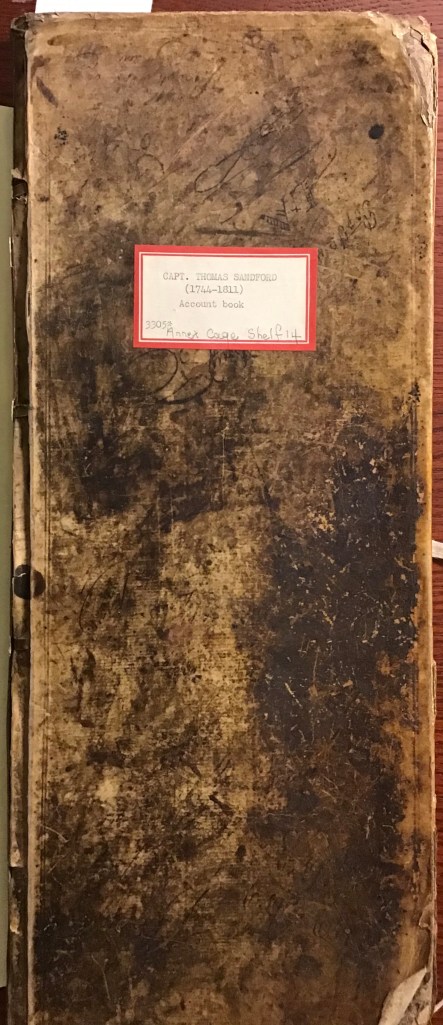
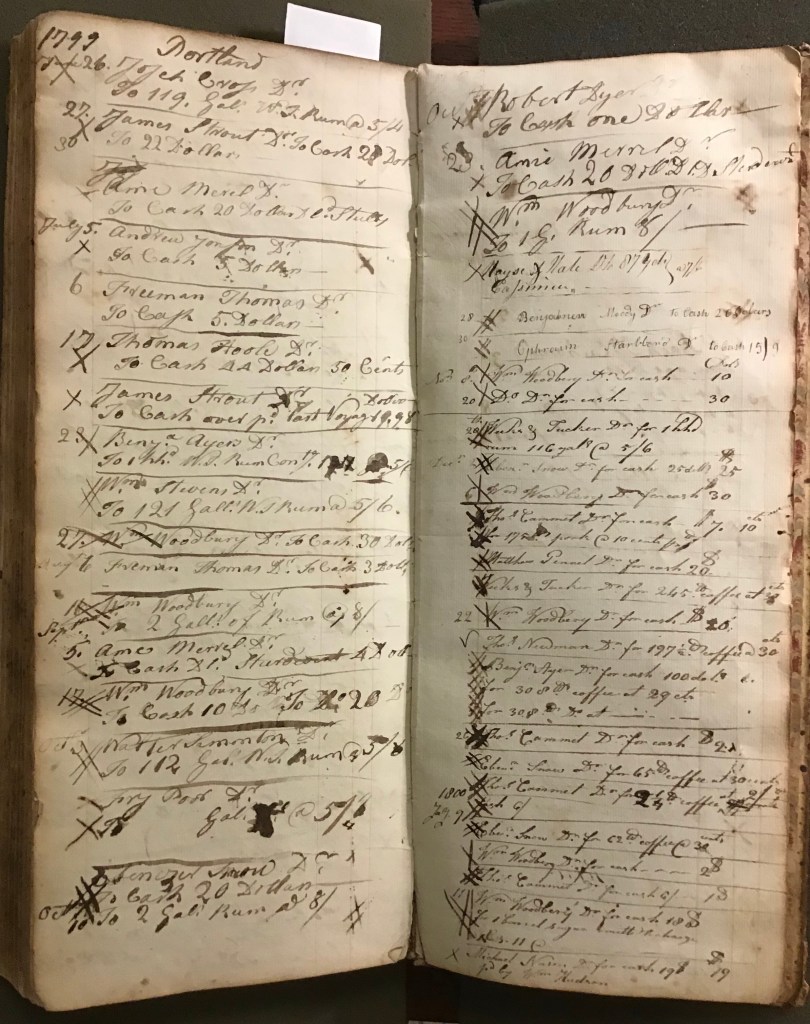
The Maine Historical Society in Portland has preserved several artifacts from the Sandfords in Maine.  Captain Thomas Sandford kept a log book from his business for many years.

Thomas Sandford’s Account Book, open to page from 1799, preserved by the Maine Historical Society.

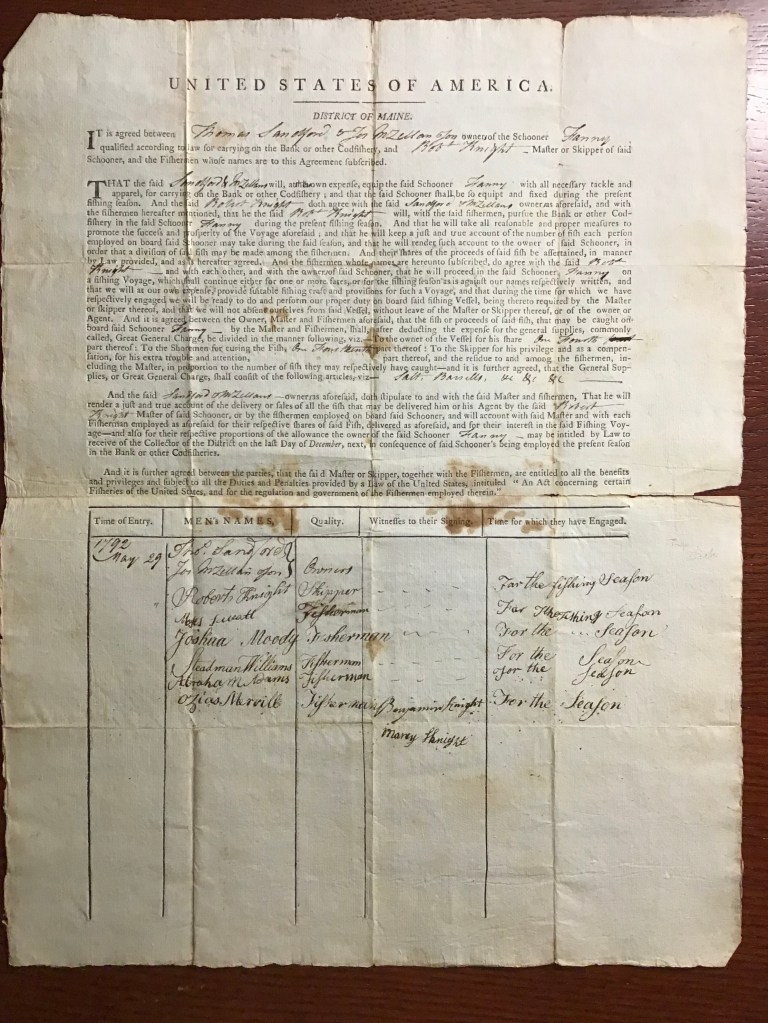
There is also a 1792 shipping contract, a routine boilerplate document that would have been signed before sending a ship out on voyage, stating the owners and crew of the ship, its mission, and the terms of the voyage.  Captain Thomas Sandford was co-owner of the ship, and signed this document.

1792 shipping contract signed by co-owner Thomas Sandford, preserved by the Maine Historical Society

The story will continue with Thomas Gelston Sandford in Topsham.

The City Attends to George Sechler’s Widow and Baby

The aftermath of the Sechler shooting in New York City in April 1907 included an outpouring of sympathy for George’s widow and baby. According to newspaper accounts, the police department did everything it could to provide for the family, but the system was not very well set up for this (George was only something like the 30th New York City police officer on record to be killed in the line of duty) and everyone agreed that more needed to be done. Three New York theaters stepped-up and dedicated box receipts for several days of shows to raise money for the family. Something like $20,000-$30,000 was raised, depending on which account you read.
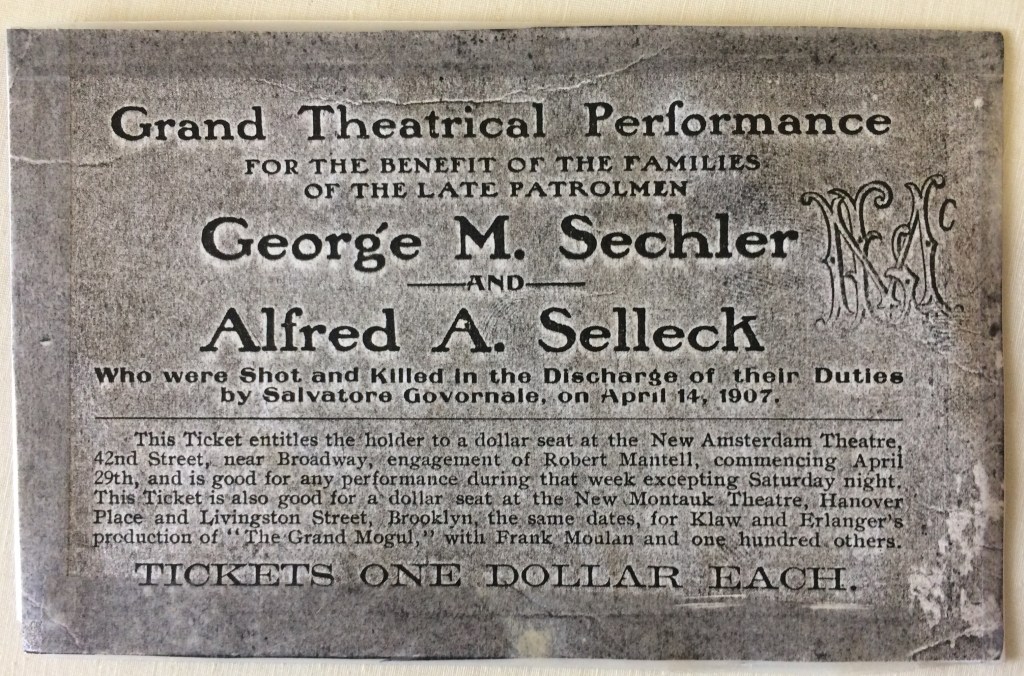
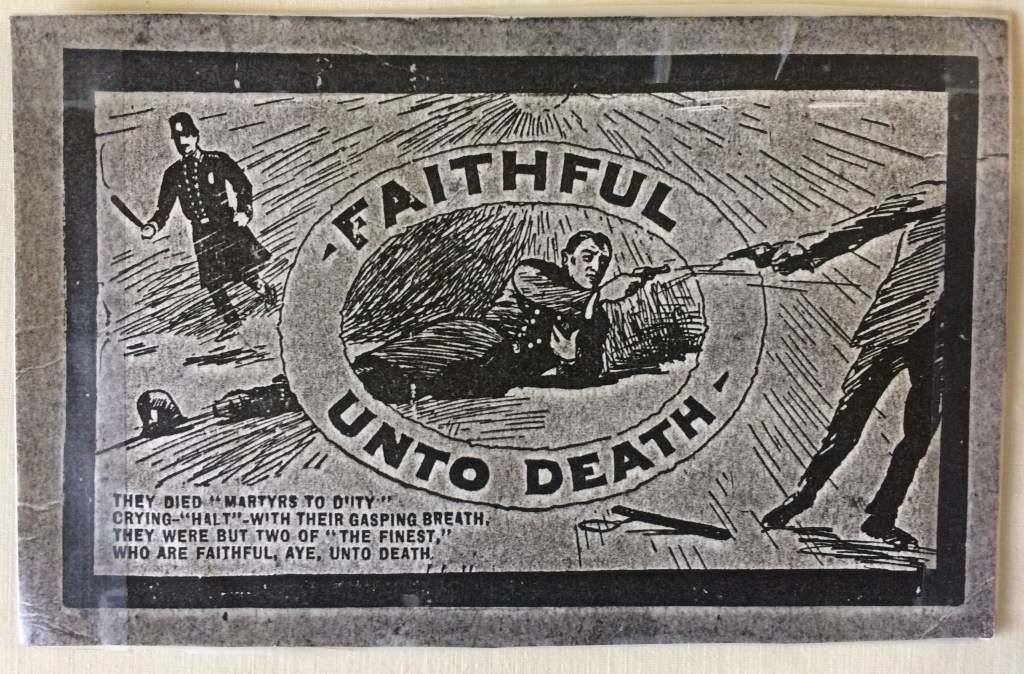
The following copy of a ticket for the New Amsterdam Theater on Broadway, a bit sensationalized but well-meaning (there was no gunfight as pictured), turned up in the family’s photo album.

Unfortunately, the money stayed tied up in the court system for another year. Alfred Selleck, the other slain officer, had no immediate family but a number of distant and/or fraudulent relatives popped-up to claim a share of the money, and this took a while to sort out. Eventually most of the money was awarded to Laura and Ruth.


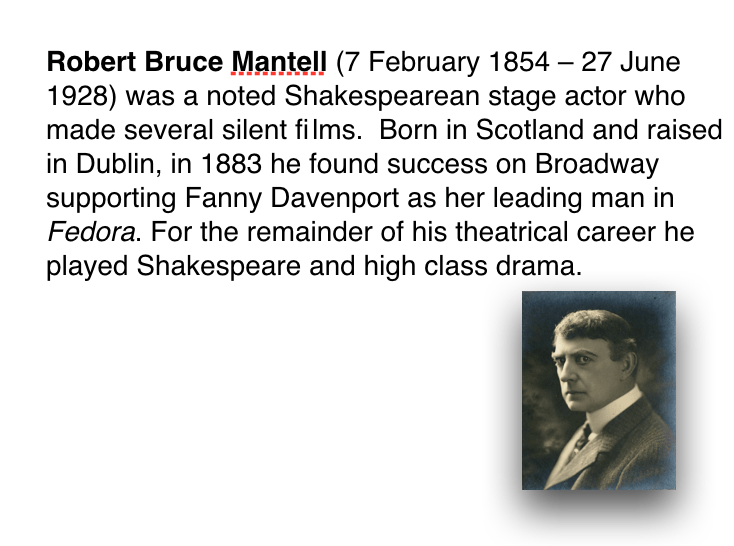
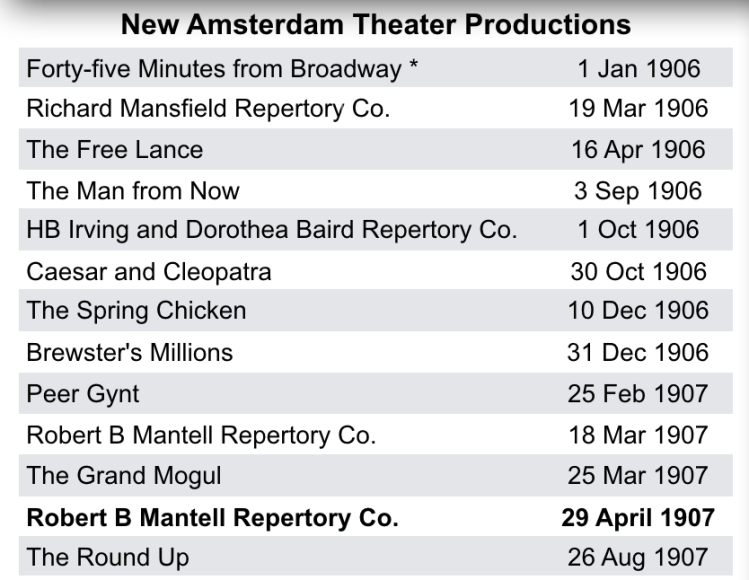
The 1942 movie musical Yankee Doodle Dandy, starring Jimmy Cagney telling the story of George M. Cohan, includes a brief scene depicting the debut of Cohan’s show Forty-Five Minutes from Broadway (about New Rochelle) at the New Amsterdam Theater. This was, in fact, a real production, taking place 16 months and 11 productions prior to one of the Sechler tributes on the same stage. The Sechler tribute featured the Robert B. Mantell Repertory Company.

How Should We Refer to E.T. Sandford?

There are big mysteries in genealogical research and there are small ones.  Great grandfather Edward Thomas Sandford lived a life spanning 82 years and a half dozen major chapters, any one of which would rank at the “good as it gets” level for rating of family stories.  It would take years of research to get to the bottom of everything, and the research is all the more alluring because many of the things he did in his life left excellent documentation trails including records from the War Department, the State Department, newspaper articles and information left by our grandfather about his father.  Many posts on his life will follow.

But right now, I am focussed on a small mystery—what to call our great grandfather?    Today there is surely nobody alive who met him and, even if there was, he or she would now be 100 years old would have been a very small child at the time of the last encounter.  For a clear answer, we are dependent on written records combined with reasoning.

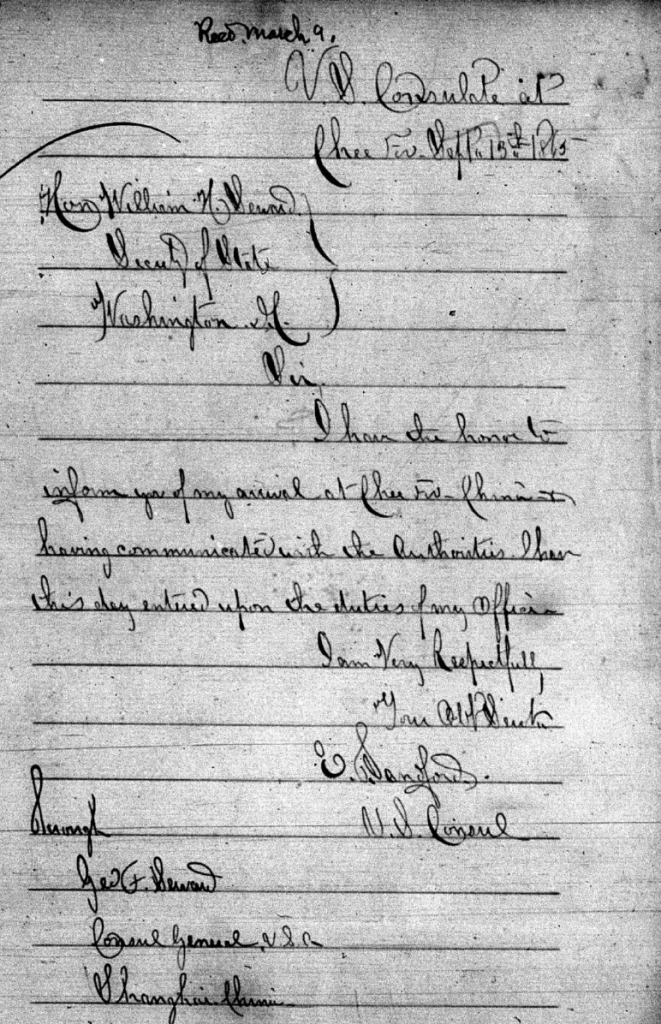
E.T. Sandford’s full name was Edward Thomas Sandford, born in 1840 in Topsham, Maine, and died in 1922 in Ontario, California.  He signed most official correspondence as E.T. Sandford, and I have come to think of him as E.T.   Our grandfather, Edward Joseph Sandford, followed the same pattern, being known formally as E.J. Sandford.  Being used to the E.J. convention, using E.T. comes naturally.   There is ample documentation to support his use of E.T, for example many of the letters he wrote to William Seward in the 1860s were signed this way. Other times, his signature was shortened to E. Sandford.

Much of E.T’s correspondence to Secretary of State William Seward is signed E.T. Sandford, but sometimes, as in this example, the signature is shortened to E. Sandford, suggesting that he did not think of himself as “Thomas”

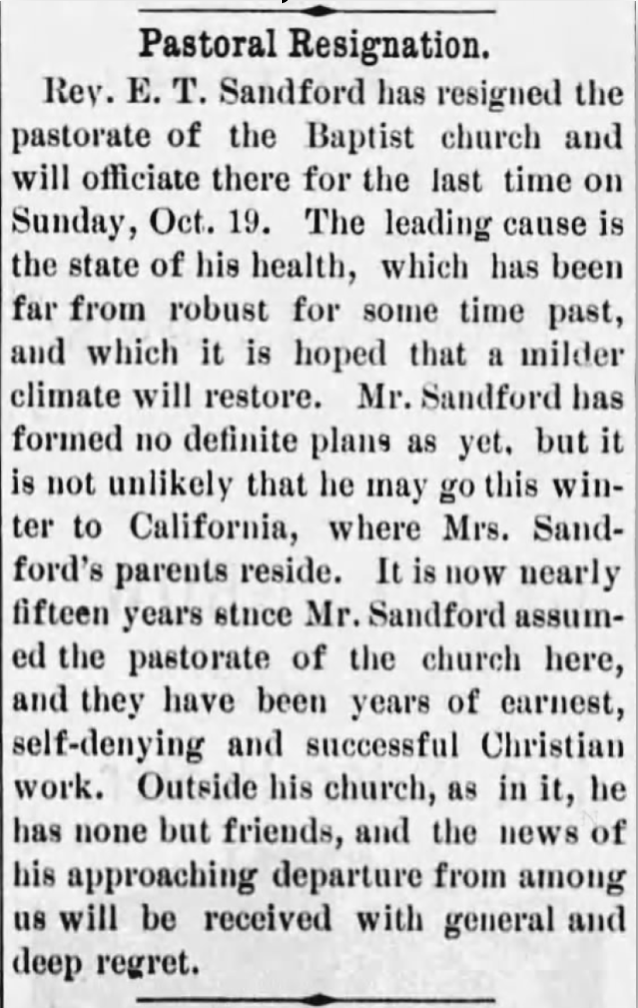
Later in his life, in the late 1880s and early 1890s, a series of newspaper articles consistently refer to him as the Rev. E.T. Sandford.

Many newspaper articles appear in the 1888-1892 timeframe, such as this from the Oct. 9, 1890 St. Johnsbury Republican.
The name E.T. Sandford is used consistently,

So “E.T. Sandford” and sometimes just “E. Sandford” were used in most formal situations. But what did people who knew him call him?  As a direct descendent and, as far as I know, the only person actively involved in figuring out the story of his life, I feel entitled to know the answer and to address him this way.

Our grandfather was known to friends and family as Joe throughout his life.  Being the son of a man with the same first name, Edward, it would make sense that the usage of “Joe” came about at the very beginning to avoid confusion with his father.  It makes sense that E.T. would have gone by “Edward” as E.J. went by “Joe”.

E.T.’s father was James Head Sandford, and his grandfather Thomas Gelston Sandford, both of Topsham, both middle names being the maiden names of their mothers.  There was no first name conflict between E.T. and his father nor his grandfather, thus no evident reason why he would have gone by any name other than Edward.

E.T. had an uncle Thomas to whom he was close enough to have committed to sail around the world on one of his ships at a very early age. The name Thomas is very common in the family–it was the first name of E.T’s grandfather, great grandfather, and other ancestors and (great) uncles including the Thomas who was among the three brothers who first sailed to America around 1634.  E.T’s mother was Dorothy Young Burton, so the tradition of using the mother’s maiden name as a middle name was not continued with him.  The abundance of Thomas’s in E.T’s family tree suggests that his middle name was chosen to honor one or more of these ancestors, but also suggests that his family would have avoided the confusion of calling him by that name in everyday life.

For these combined reasons, I believe E.T. would have gone by “Edward” throughout his life.

Now the question of whether to shorten Edward to Ed?  Going the other direction, E.J. (Joe) Sandford’s first son, E.T’s grandson (and our uncle), was also an “Edward”, Edward James Sandford— there were three Edwards in a row—and he went by “Ned”.  E.T. died six months before Ned was born—there was no overlap—but our grandparents may still have wanted to have a name distinction, leading to the use of the name Ned.  In view of the family history of using “Ned” for the formal Edward and “Joe” for the formal Joseph, there seems to have been a gravitation toward the use of short nicknames, and so it seems reasonable that E.T. / Edward would have gone by “Ed”. 

I have found no records that definitively answer this question.  In his description of his father written in 1966, Joe Sandford refers to letters that E.T. wrote home during the Civil War.  I do not know the whereabouts of these letters but they would surely provide an answer, and would be fascinating in many other ways (think of a Ken Burns-style narration:  “My darling Sarah….”).

I plan to look for the will of E.T.’s father, James Head Sandford, who died in Corona, California in 1898.  It could contain a phrase like “to my son ___ I leave…”.  

One more observation…   E.T. did not spend a lot of time in close family situations between going to sea as a teenager and settling in Vermont at the age of 40+.  He was home very little of the time.  He had a first wife, Sarah, who was ill much of the time, but he didn’t see too much of her.  He did not start a family until age 50 with his second wife.  Whatever name his family and first wife used with him may not have been used very much during the middle part of his life, when his circumstances tended to be more formal and transitory—in this period he may not have had a lot of close relationships with people who would address him informally.

Having no other evidence or reasoning by which to go at this time, I conclude he used “Edward” and probably “Ed” in familiar situations.  I will mostly continue to use the formal E.T. in this blog because it is a unique, unambiguous designation in the family tree which matches most of the historical records available on his life.

A final comment on genealogical research as I have come to understand it.  Among several things, “Bridging the Silences” refers to filling in gaps between available historical records to understand what probably went on and developing it into a story line that is honest, accurate, and interesting.  There are many situations where records simply do not exist to answer a question directly, but logical reasoning, linked with other insights into the life being studied, is useful to determine the likely answer.  Short of finding an undiscovered stash of records or letters in an attic somewhere, this is often the best that can be done with the available record. In such cases, I intend always to identify my conclusions as “likely based on reasoning” vs. “proven”, but I also am comfortable embracing these types of well-reasoned conclusions in my overall understanding of the truth regarding our ancestry. 
There are some much bigger family mysteries where we will need to rely on this kind of reasoning to find the answers. These will be discussed in future posts.

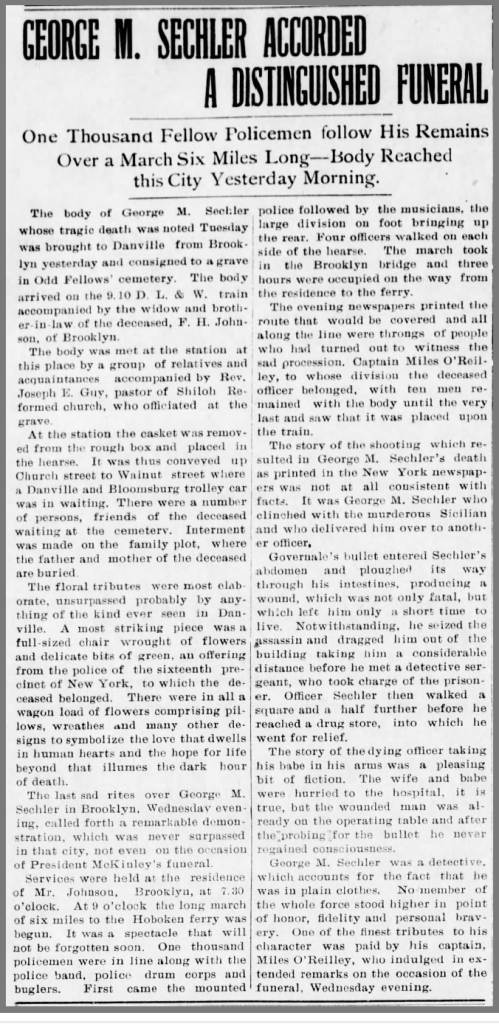
George Sechler returns to Danville

The body of George Sechler, accompanied by family members from Brooklyn, arrived by train in Danville the morning of Thursday April 18, 1907. It was Georgeʼs dying wish to be buried with his family there. This account was published in the Danville Morning News the following day…

Danville Morning News’ next day account of the April 18, 1907 funeral in Danville

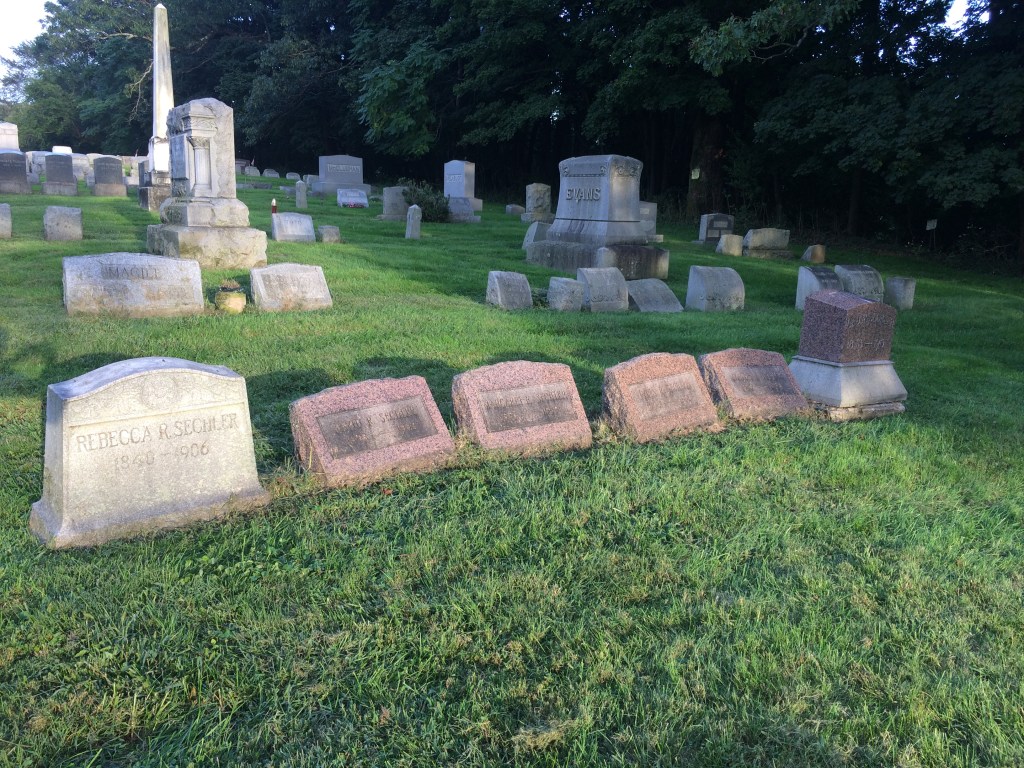
George’s family remains buried today in the Odd Fellows’ Cemetery on Bloom Road. Left to right mother Rebecca, brother David and his wife Margaret, niece Lydia and her mother Martha (George’s sister), with George on far right. (George’s father Aaron is buried separately in the Shiloh Cemetery, I believe because of his status as a Civil War veteran.)

The Sechler family plot in the Odd Fellows’ Cemetery, Danville, Pennsylvania

More to come…

Dr. James Gordon of Newburgh

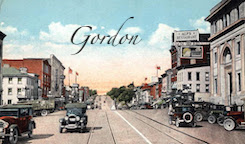
Since I have no photos of great grandmother Bessie Gordon, I am using this historic image of downtown Newburgh, New York to represent her branch of the family.   In ways that we will explore, Bessie is the most enigmatic of our great grandparents.  Her father, James Gordon, came to Newburgh from Northern Ireland in the mid 19th century and became a physician.  Her mother, Jeanette (Nettie) Johnston, came from a prominent family of western New Jersey which can be traced back several generations to the early origins of the colony.  James and Jeanette had four children of whom Bessie was the oldest.  Son Edward followed in his father’s footsteps to become a physician. Daughters Addie and Jennie were the youngest.  
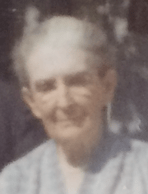
In future posts, we will see that it was second great aunt Addie Gordon who was the shining star of the Gordon and Hynes branches of the family among the generation of our great-grandparents.  She devoted her life to atoning for mistakes made by her older sister.

Addie Gordon, taken late 1961

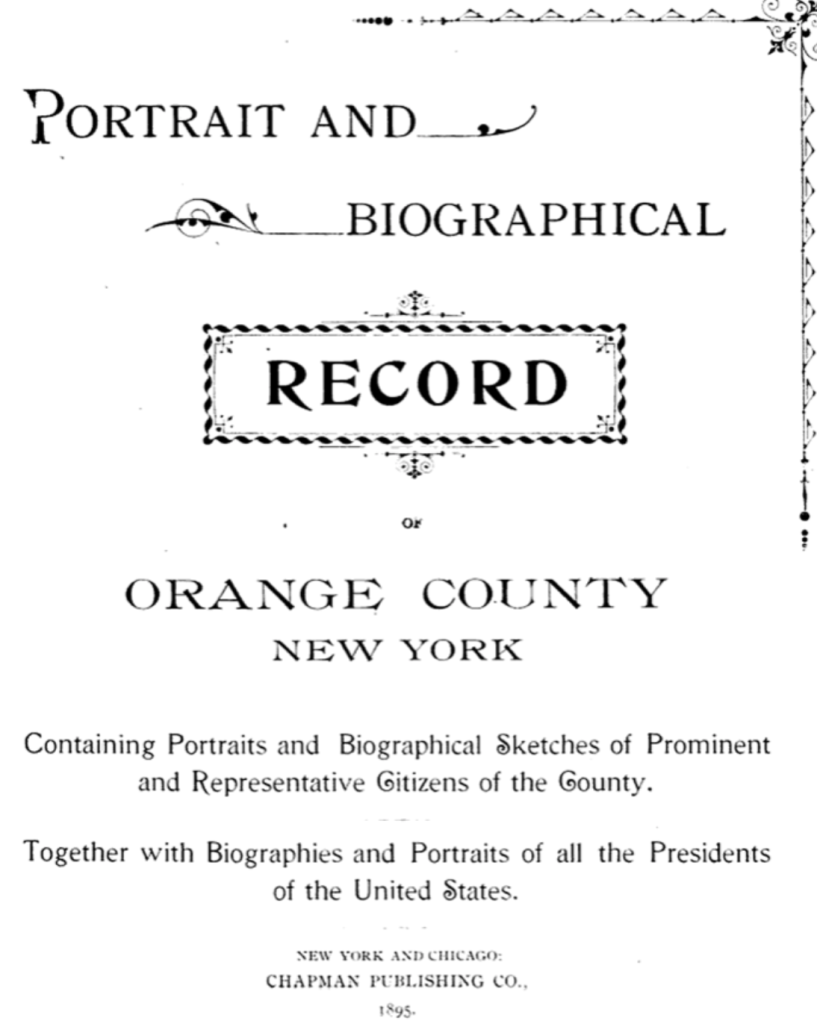
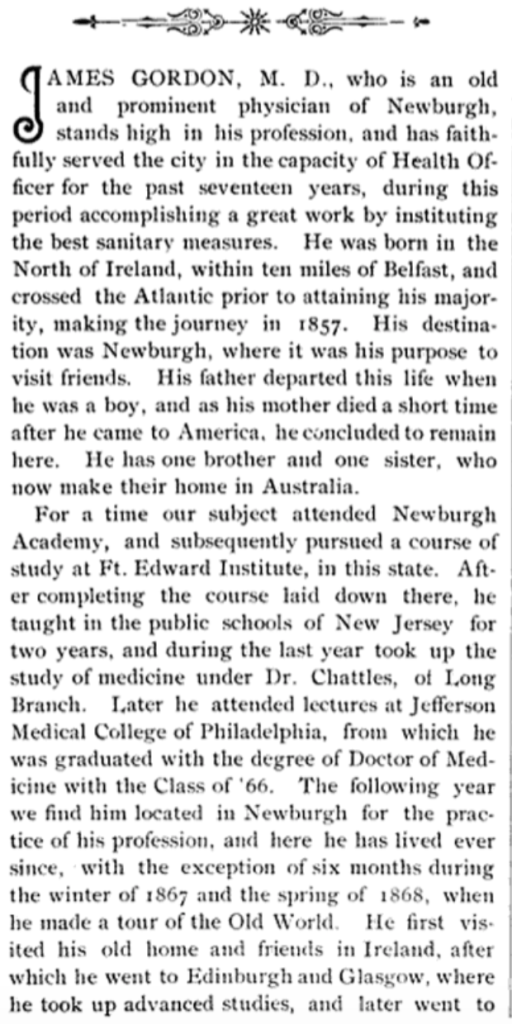
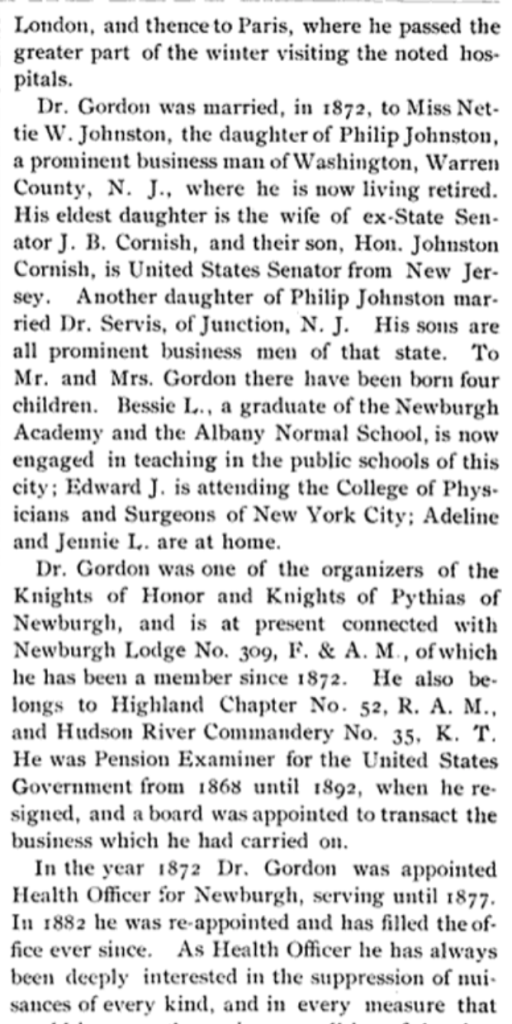
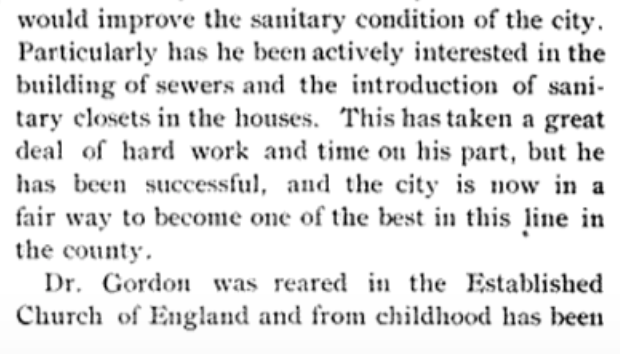
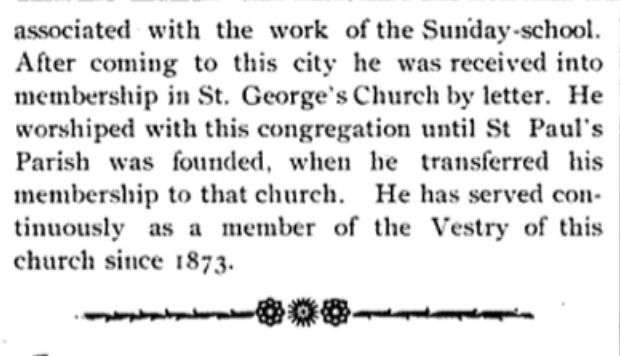
The following biography of Dr. James Gordon appeared in a local Newburgh publication in 1895.