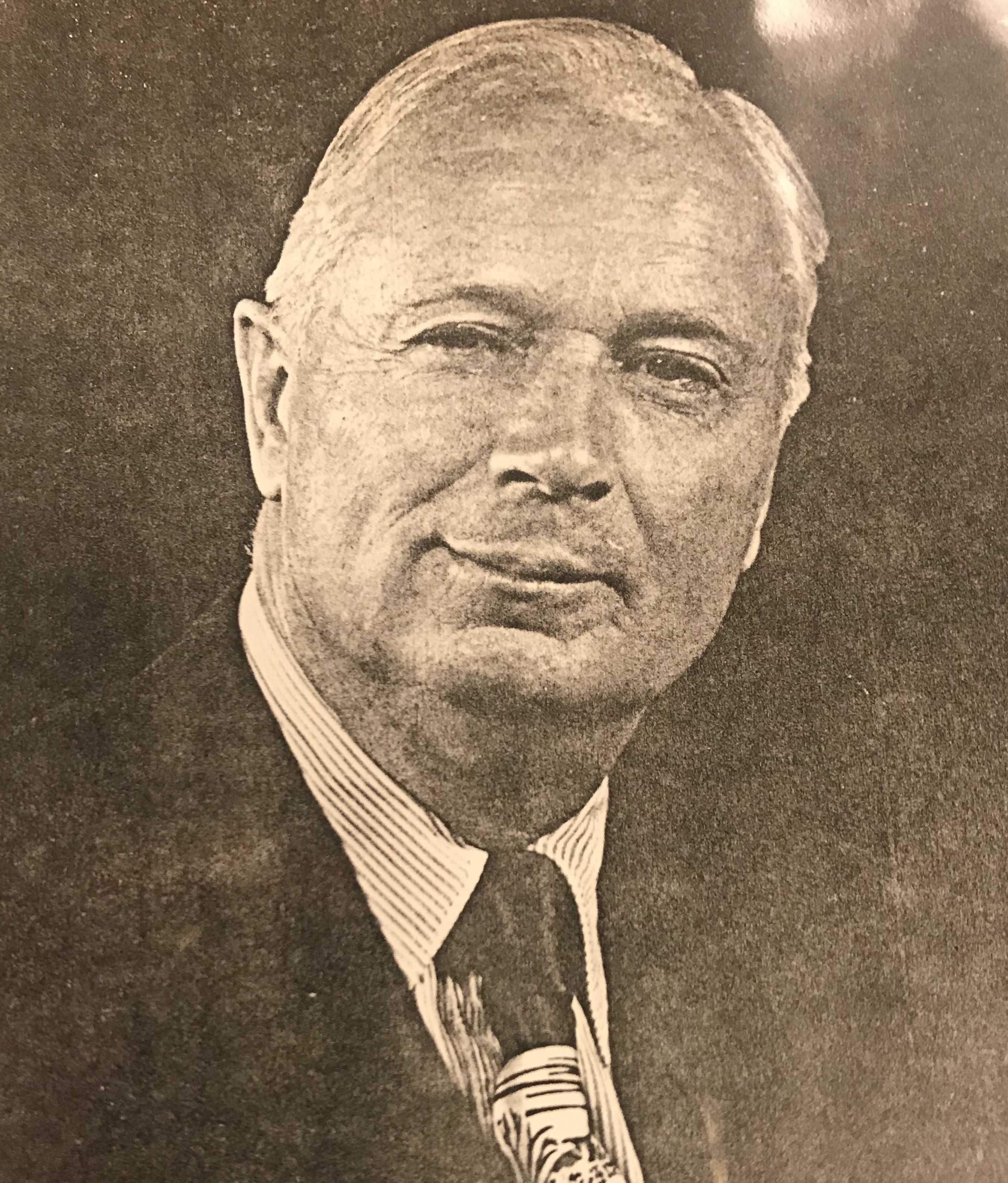
 And my father and family moved out to Corona, California, a little community across the valley, about 1897. I was a little boy then. We lived in corona for some ten years, perhaps twelve years. I went to grammar school there. Incidentally, Mrs. Sandford and I took two lovely people that lived there at that time to Corona yesterday to visit with friends. Corona is a circle city—crown. You’re familiar with it probably. It was a lovely community. It has the citrus trees and still there, still to a limited extent. That was a lovely period. The period of Jim Jeffreys the great prize-fighter; many famous people. The Bixbees of Los Angeles, Long Beach, a very famous family there. They had a large ranch up toward Capistrano. But getting over to this side of the valley, my father was a Baptist minister, and me a little boy, he used to go out and preach in the country churches here, between Ontario and Corona. I would go with him. These were the horse and buggy days. As we rode out in the country, we would see smoke coming up, and I knew that the trains was here. Later, of course, it was my privilege to come over and see the railroad and the trains. But I used to wonder if I’d get clear over here. It was a long way for a little boy.
In the early days, the pioneering people of the valley were very proud. They came out here very interested in improving the valley—what could be grown here in the way of fruit, grain and stoop labor products? Our largest product in this area up here in Upland were oranges and lemons at that time. Then south of the railroad, the Southern Pacific Railroad, we had deciduous trees: peaches, apricots. And we grew alfalfa and some of those products. It was a lovely period for everybody. Horse and buggy days. The automobiles were just beginning to come in. These people that came here, perhaps they would have ten acres of oranges, lemons or what have you. It seemed to me at that time, they would cultivate the groves one day, and then once a month they would irrigate, and they would furrow out [?] to receive the water and irrigate the trees. Another day they would close the furrows. The rest of the time it seemed like they were visiting each other with their horses, and going to church. It was a lovely class of people. Each man was a king, you might say. He had so much time for community activities, and they were limited.
Joe Sandford
1973 Living History Interview
Listen to the full set of Joe Sandford Living History Interviews here
 Bridging the Silences